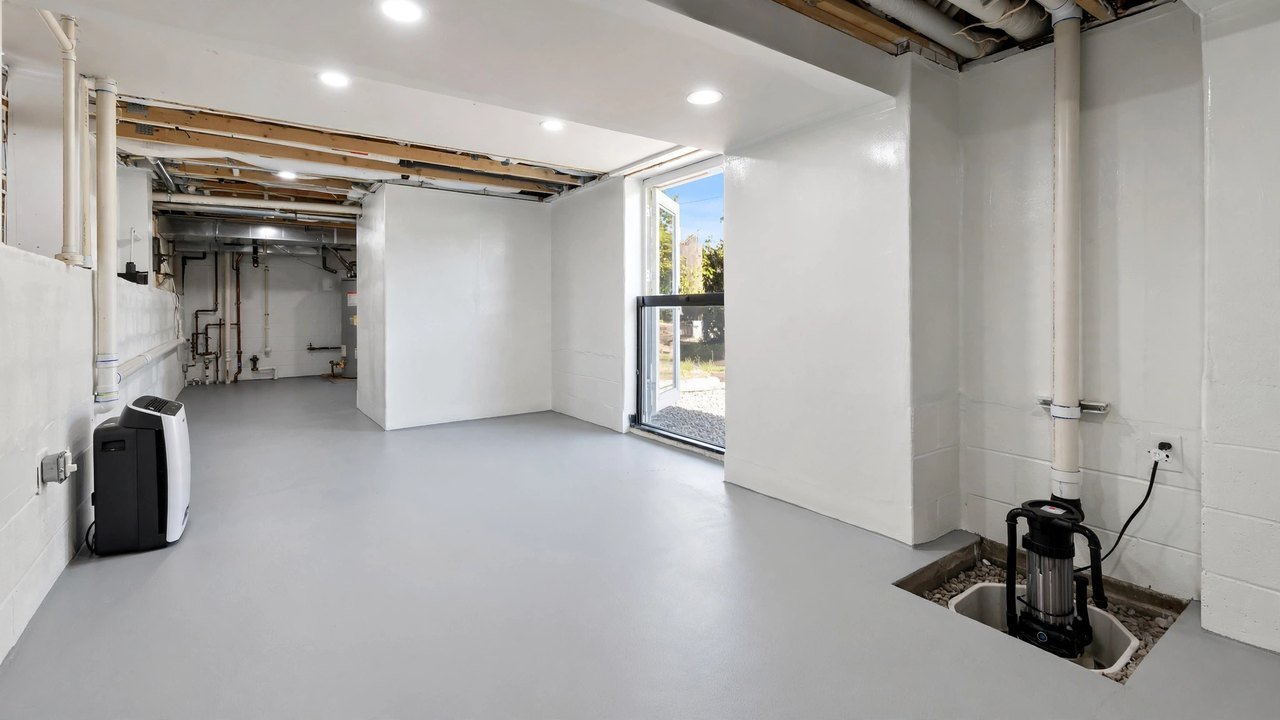
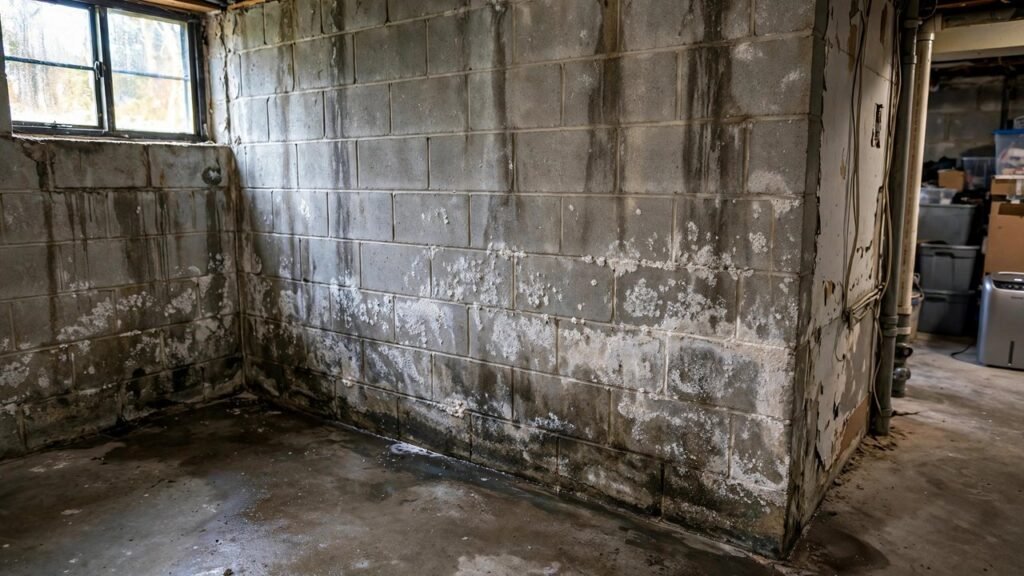
A wet basement limits how you can use your home and can lead to mold, musty smells, and damage to stored items. If you are researching basement waterproofing cost, you likely want a dry space and a clear price. In 2026, most homeowners in the USA pay between $3,000 and $10,000 for basement waterproofing, depending on the method and the size of the basement.
Interior systems are usually cheaper and faster to install. Exterior systems cost more because they require digging, but they stop water before it reaches the wall. The right choice depends on where your water is coming from and how bad the problem is.
This guide compares interior and exterior prices, explains what affects the total, and breaks down the cost of drains, sump pumps, and sealing. It also covers saving money, financing, and questions to ask a waterproofing company.
Prices vary by state and city, and soil and labor rates differ by region, so get 2-3 local quotes before you choose a method.
Basement Waterproofing Cost: Quick Summary
The method you choose is the biggest driver of basement waterproofing cost. A simple interior seal for a small problem is at the low end. A full exterior excavation for a large home is at the high end and can pass $20,000.
Here is a quick summary of typical 2026 prices:
| Method / Service | Average Cost | Low – High Range |
|---|---|---|
| Interior sealant / coating only | $1,200 | $600 – $2,500 |
| Interior drain tile + sump pump | $5,500 | $3,500 – $8,000 |
| Exterior waterproofing (full dig) | $12,000 | $8,000 – $20,000+ |
| Sump pump installation alone | $1,200 | $800 – $2,000 |
| French drain (interior, per linear ft) | $55 per ft | $40 – $75 per ft |
| Crack injection (per crack) | $600 | $300 – $1,200 |
| Full basement (1,000 sq ft, interior system) | $6,000 | $4,000 – $9,000 |
| Dehumidifier + vapor barrier add-on | $1,800 | $1,200 – $2,800 |
Interior drainage is the most common choice for homes with water coming through the floor or the joint where the wall meets the floor. Exterior work is more common when walls are leaking through cracks, are bowing, or when an interior system alone will not solve the problem.
What Affects the Basement Waterproofing Cost
Basement size is a clear factor in basement waterproofing cost. Contractors often price drainage by the linear foot of wall. A larger basement with more wall length needs more drain pipe, more labor, and often a larger or second sump pump.
The source of the water shapes the method and the price. Water rising from below the floor needs interior drainage. Water pushing through wall cracks may need crack injection, exterior sealing, or both. Surface water from bad grading or clogged gutters may be fixed partly from outside at a lower cost.
Access changes labor a lot. A finished basement must be opened up and later restored, which adds cost for demolition and rebuilding. An unfinished basement is faster to work in. Exterior jobs cost more if decks, patios, driveways, or landscaping sit against the wall that must be dug up.
Soil and water table matter too. Heavy clay soil holds water against the foundation. A high water table means the system works harder and may need a battery backup pump. Both can raise equipment and install costs.
Basement Waterproofing Cost Breakdown by Component
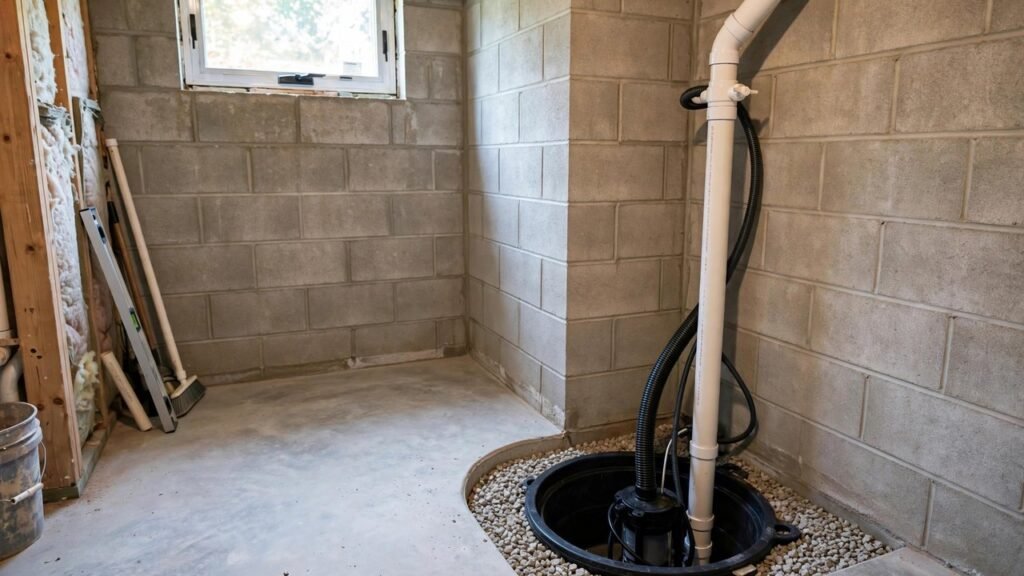
Breaking basement waterproofing cost into parts helps you see what a quote includes and what it leaves out.
Interior drain tile is the core of most interior systems. Crews cut a channel around the inside edge of the floor, lay perforated pipe in gravel, and direct water to a sump pit. This work often costs $40 to $75 per linear foot installed, including concrete repair over the channel.
The sump pump and pit typically cost $800 to $2,000 installed. A quality primary pump, a sealed pit, and a check valve are standard. A battery backup pump adds $400 to $1,000 but keeps the system running during a power outage, which is often when flooding risk is highest.
Sealing and coatings vary. Crack injection costs $300 to $1,200 per crack. Interior coatings cost $3 to $7 per square foot of wall but should be seen as a supplement, not a full solution for active leaks. Exterior membranes, applied after excavation, can cost $100 to $200 per linear foot when digging, labor, and backfill are included.
Extra items can include a basement dehumidifier at $1,200 to $2,800 installed, discharge line work, and electrical for the pump. Restoration of flooring and drywall after an interior job is often quoted separately, so ask if it is included.
Interior vs. Exterior Waterproofing: Cost and Pros and Cons
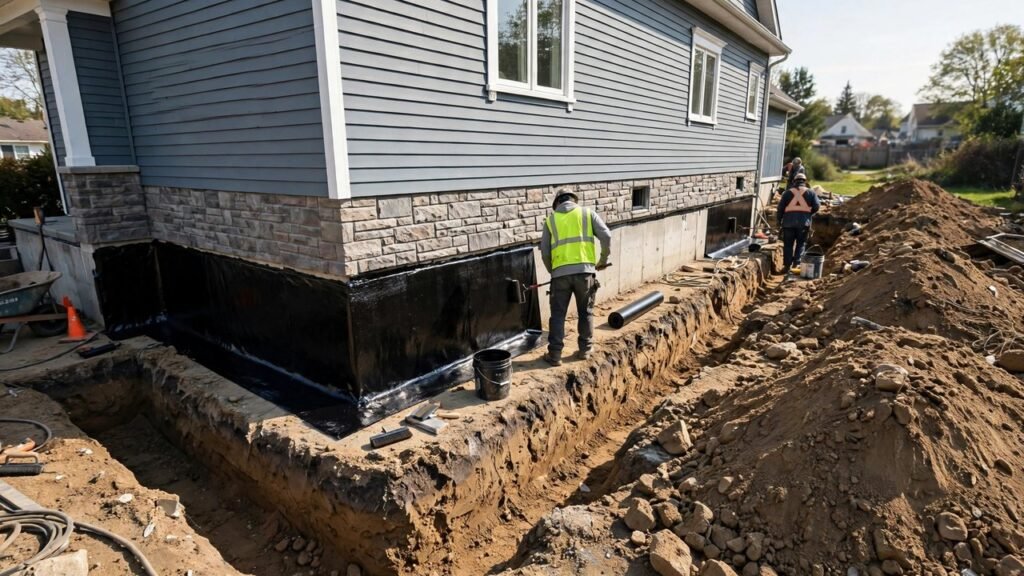
Interior waterproofing manages water after it enters. It is usually the best value for most homes. A full interior system costs $3,500 to $8,000 for a typical basement, installs in one to three days, and does not require digging up your yard. It relieves water pressure under the floor and sends water to a sump pump. Its limit is that the wall itself still gets wet from outside, though the inside stays dry.
Exterior waterproofing stops water before it touches the wall from the outside. Crews dig down to the footing, seal cracks, apply a membrane, and add exterior drainage. It costs $8,000 to $20,000 or more and takes longer, often a week or more with excavation. It protects the wall structure best, but the digging can disturb landscaping and hardscaping that must then be restored.
Many homes do well with an interior system plus outside fixes like grading and gutter extensions. Homes with severe wall leaks, failing walls, or a failed older exterior coating may truly need exterior work. A good company should explain why they recommend one method over the other for your water source, not just sell the most expensive option.
How to Save Money on Basement Waterproofing
You can lower the total by fixing simple water causes first and by comparing full quotes carefully.
- Extend downspouts at least 6 feet from the foundation and keep gutters clean.
- Grade soil so it slopes away from the home, which can reduce water pressure on walls.
- Get 2-3 written quotes that list linear feet, pump type, and warranty in detail.
- Choose an interior system if it fits your water problem instead of paying for full excavation.
- Ask about battery backup as an add-on now, since adding it during install is cheaper than later.
- Waterproof in the off-season if your problem is dampness rather than active flooding, for better scheduling deals.
- Check if any part of the work, like crack repair, can be done now and drainage staged later.
- Keep the system maintained: test the pump twice a year and replace it before it fails.
Financing Options for Basement Waterproofing
Many waterproofing companies offer financing, including monthly payment plans and short zero-interest promotions for qualified buyers. These can make a $6,000 interior system easier to fit into a monthly budget. Always check the rate after the promo period.
A home equity loan or line of credit is another route for larger exterior jobs. Rates are often lower than a personal loan, but the loan is secured by your home. A personal loan may be simpler for a mid-size interior job and does not use your home as collateral.
Questions to Ask Before You Hire a Waterproofing Company
Ask how the company found the source of your water problem and what method they recommend because of it. Ask for the price per linear foot, total linear feet, and exactly what the sump system includes.
Ask how long the job will take and how they will protect your floors, walls, and belongings from dust and debris. Ask if finished areas will be restored or if that is your cost to handle separately.
Ask about the warranty in writing: how many years, what it covers, and if it transfers when you sell. Ask if the company is licensed and insured, and ask for local references from jobs with the same method they propose for you.
Frequently Asked Questions
How much does basement waterproofing cost on average in 2026?
Most homeowners pay $3,000 to $10,000. A typical interior drain and sump system costs $3,500 to $8,000. Full exterior waterproofing costs $8,000 to $20,000 or more.
Is interior or exterior waterproofing better?
It depends on the water source. Interior systems are cheaper and work well for most floor and joint leaks. Exterior work best protects the wall itself but costs much more.
How long does basement waterproofing take?
An interior system usually takes one to three days. Exterior waterproofing often takes a week or more because of digging, sealing, and backfill work.
Will waterproofing fix mold in my basement?
It stops new water, which stops new mold growth. Existing mold should be cleaned or remediated separately, and a dehumidifier helps keep humidity low after the work.
Does a sump pump need a battery backup?
It is strongly recommended. Storms can cut power when water is highest. A battery backup keeps pumping for hours and can prevent a flood during an outage.
Does homeowners insurance cover basement waterproofing?
Usually not, because waterproofing is seen as prevention and maintenance. Insurance may cover damage from a sudden covered event, but not the waterproofing system itself.
How long does a waterproofing system last?
Interior drain systems can last for decades with little upkeep beyond pump service. Sump pumps typically last 7 to 10 years and should be tested regularly.
Conclusion
Getting a clear picture of basement waterproofing cost makes the decision much easier. Interior systems in the $3,500 to $8,000 range solve most wet basement problems, while exterior work at $8,000 to $20,000 or more offers the strongest wall protection for severe cases. Size, water source, and access explain most price differences.
The right system is the one matched to where your water comes from. Drainage, a reliable sump pump, and good outside grading work together to keep a basement dry. A cheap coating alone rarely holds back real water pressure for long.
Get detailed local quotes, ask about warranties, and fix gutter and grading issues at the same time. With the right plan, your basement waterproofing cost turns into lasting dry space you can store, finish, and enjoy with confidence.