A burst pipe, a leaking roof, or a flooded basement can turn into a stressful and costly problem fast. Understanding water damage restoration cost helps you act quickly and budget with a clear head. In 2026, most homeowners in the USA pay about $3 to $8 per square foot for professional restoration, with total bills often ranging from $1,500 to $8,000 for a typical job.
The price depends on how much water came in, how dirty it was, and how long it sat. Clean water from a supply line is simpler to handle. Water from a sewage backup or a flood is more hazardous and costs far more to clean safely.
This guide explains prices by square foot and damage class, what affects the total, and how cleanup, drying, and repairs each add to the bill. It also covers insurance, saving money, and what to ask a restoration company before work starts.
Prices vary by state and city, and emergency after-hours calls cost more, so get 2-3 local quotes as soon as the water is stopped.
Water Damage Restoration Cost: Quick Summary
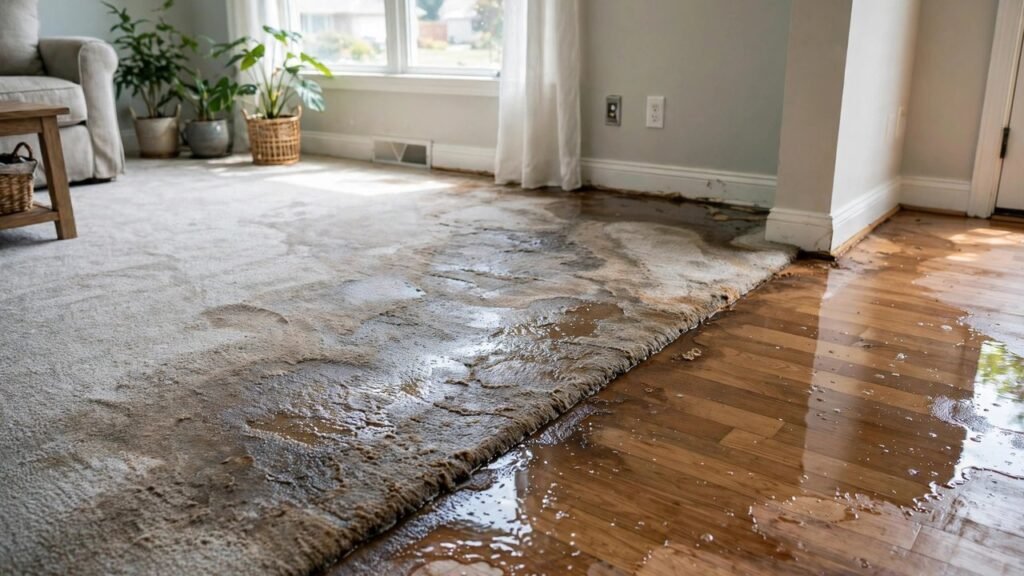
The fastest way to estimate water damage restoration cost is by square foot and by class of damage. Pros group damage into classes based on how much material got wet and how hard it is to dry.
Here is a quick summary of typical 2026 prices:
| Type of Cost | Average Price | Low – High Range |
|---|---|---|
| Per square foot (all classes) | $5.00 per sq ft | $3.00 – $8.00 per sq ft |
| Class 1 – minor, clean water | $3.50 per sq ft | $3.00 – $4.50 per sq ft |
| Class 2 – larger area, walls wet | $5.50 per sq ft | $4.50 – $6.50 per sq ft |
| Class 3 – ceilings, walls, insulation wet | $7.00 per sq ft | $6.00 – $8.00 per sq ft |
| Class 4 – deep drying, hardwood, concrete | $7.50+ per sq ft | $7.00 – $9.00+ per sq ft |
| Average total job (500 sq ft area) | $2,750 | $1,500 – $5,500 |
| Large job (1,000+ sq ft, severe) | $7,500 | $5,000 – $15,000+ |
Water type matters just as much as class. Category 1 is clean water. Category 2 is gray water with some contaminants, like from a washing machine. Category 3 is black water, such as sewage or flood water, and it requires full protective work and disposal, which raises the price a lot.
Most quotes include water removal, drying, cleaning, and basic sanitizing. Rebuilding floors, drywall, and cabinets is often priced separately as repairs after the area is dry.
What Affects the Water Damage Restoration Cost
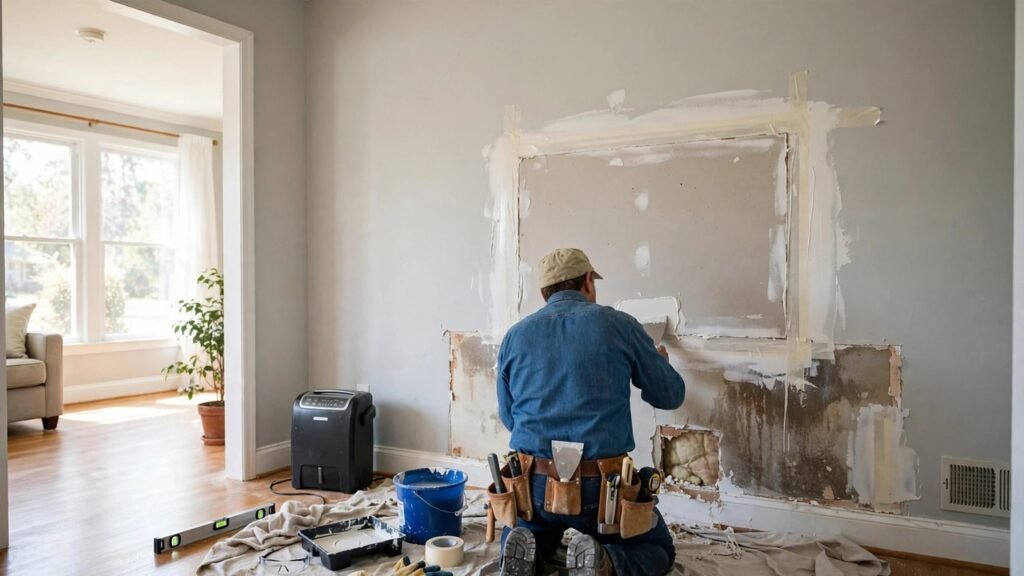
The size of the affected area is the most obvious factor in water damage restoration cost. A small bathroom leak that wets 50 square feet is a very different job from a basement flood that covers 800 square feet and soaks furniture and stored items.
How long the water sat is just as important. Water that is cleaned within 24 hours does less harm. Water that sits for two or three days can grow mold, warp wood, and ruin drywall. Mold remediation, if needed, can add $500 to $3,000 or more on top of the basic restoration.
The source and category of water change the work required. Clean water needs extraction and drying. Black water needs protective gear, special cleaning, and safe disposal of ruined materials like carpet and padding. That extra labor and safety work raises the price per square foot.
Materials in the room matter too. Tile and concrete dry more easily. Hardwood, laminate, carpet, and drywall soak up water and may need to be removed. Hidden water in wall cavities and under floors also takes longer to find and dry, which adds equipment days.
Water Damage Restoration Cost Breakdown by Service
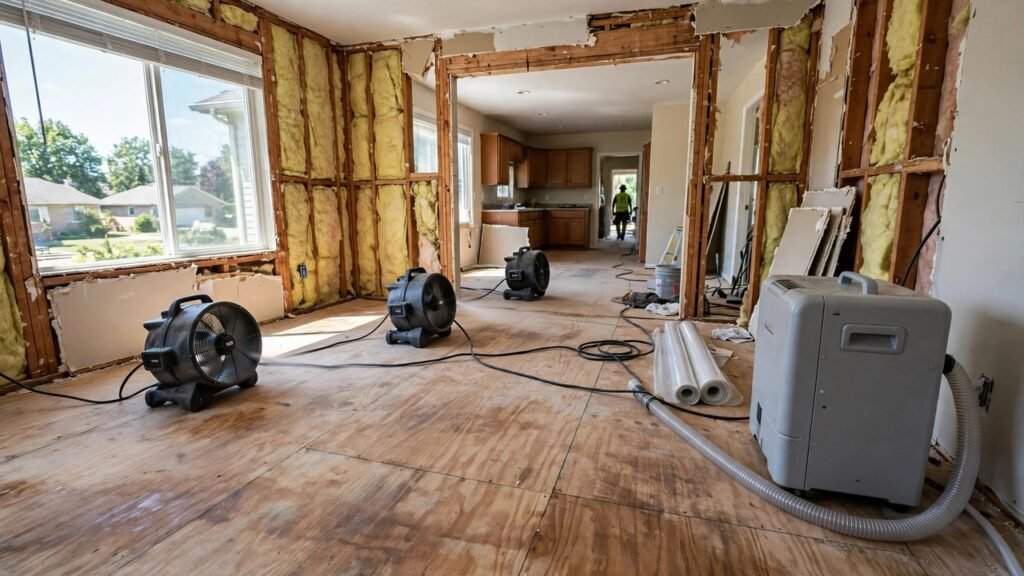
Seeing the water damage restoration cost by service shows why a total quote can look high at first glance. Each step is needed to make the home safe and dry again.
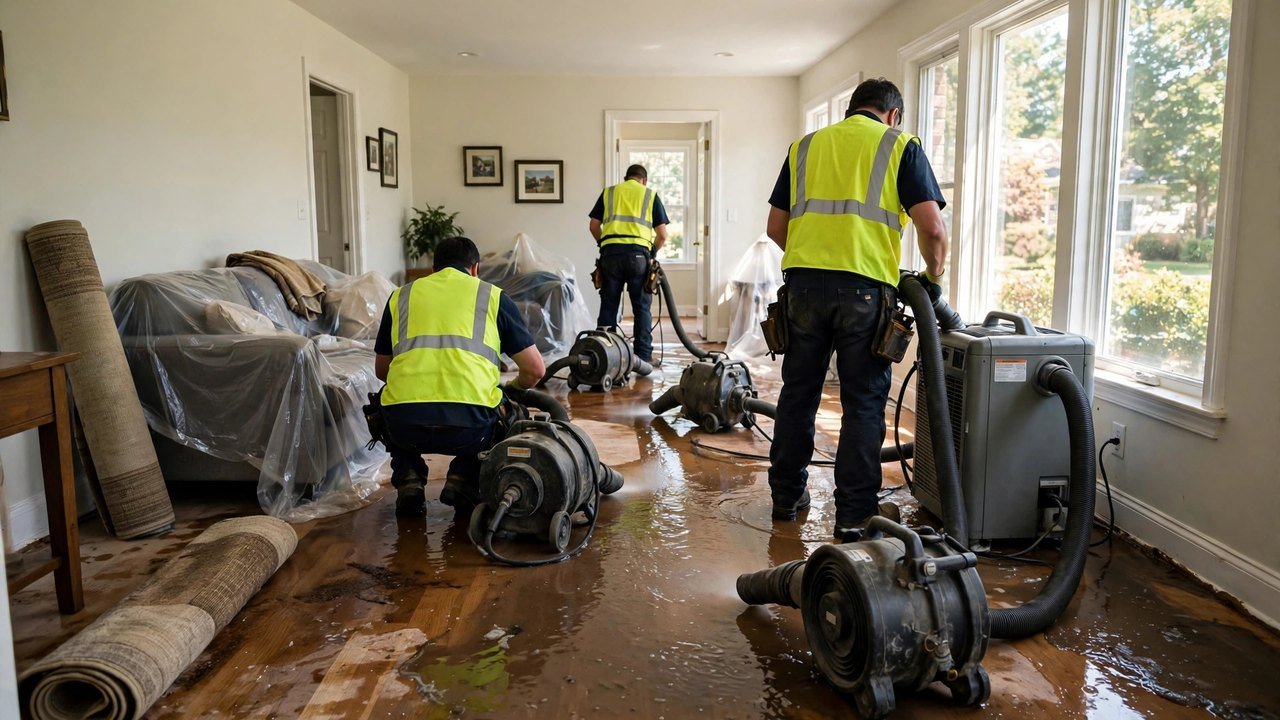
Water extraction is the first step, often $500 to $1,500 depending on volume. Crews use pumps and vacuums to remove standing water fast. The more water there is, the longer this takes.
Drying and dehumidification is the next cost, often $300 to $1,000 or more. Fans and commercial dehumidifiers usually run for three to five days. Companies often charge per day, per piece of equipment, so a larger wet area with more machines costs more.
Cleaning, sanitizing, and odor removal can cost $300 to $900. This step is larger for gray and black water jobs. Demolition and removal of damaged drywall, baseboards, carpet, or insulation can add $400 to $2,000, plus disposal fees.
Clean Water vs. Sewage and Flood Damage: Cost Comparison
Not all water jobs are equal, and the type of water is the clearest example. A clean water leak from a broken supply line is the lowest-cost case. Crews focus on extraction, drying, and light cleaning. Many materials can be saved if work starts fast.
Gray water, from appliances or a shower drain, carries dirt and chemicals. More cleaning is needed, and carpet padding often must go. Costs per square foot are usually in the middle range, and testing or extra sanitizing may be added.
Black water is the most expensive and the most risky. Sewage and outside flood water can carry bacteria and other hazards. Anything porous that it touches, like carpet, upholstery, and drywall, often must be removed and disposed of safely. Crews wear full protective gear, which slows the work and raises labor cost.
How to Save Money on Water Damage Restoration
- Stop the water source right away and shut off the main valve if you cannot find the leak.
- Call a restoration company within 24 hours to limit mold and material damage.
- Move furniture, rugs, and valuables out of the wet area yourself if it is safe to do so.
- Get 2-3 quotes for the rebuild phase, even if you use the first crew for emergency drying.
- Document all damage with photos and video before cleanup for your insurance claim.
- Ask what can be dried and saved versus what truly needs to be removed and replaced.
- Fix the root cause, like a worn pipe or roof flashing, so the damage does not return.
- Maintain your home with yearly checks of hoses, water heaters, and supply lines.
Financing Options and Insurance for Restoration
Many homeowners use insurance for a large restoration bill. A standard homeowners policy often covers sudden and accidental water damage, like a burst pipe. It usually does not cover slow leaks that were ignored or flood water from outside, which needs separate flood coverage.
File your claim quickly, keep receipts, and do not throw away damaged items until the adjuster says you can. Your deductible, often $500 to $2,500, will come off the amount the insurer pays. Ask the restoration company if they bill insurance directly, as many do.
If insurance does not cover the full cost, options include a personal loan, a home equity line of credit, or a payment plan from the restoration company. For disaster cases, federal or state assistance programs may help in declared emergency areas. Compare interest and fees before choosing, and keep the focus on drying and safety work first.
Questions to Ask Before You Hire a Restoration Company
Ask if the company is certified for water damage work and available for emergency calls. Ask how quickly they can arrive, because hours matter with water damage.
Ask how they will measure moisture and confirm the area is fully dry, not just dry on the surface. Ask for a written estimate that separates extraction, drying, cleaning, demolition, and rebuild work.
Ask if they check for mold and what that service costs if it is needed. Ask if they work with your insurer and help with claim paperwork. Finally, ask what warranty or guarantee they offer on their drying and repair work.
Frequently Asked Questions
How much does water damage restoration cost per square foot?
In 2026, most jobs cost $3 to $8 per square foot. Clean, minor damage is at the low end. Sewage, flood, or deep drying work is at the high end or above it.
Does homeowners insurance cover water damage restoration?
It often covers sudden events like a burst pipe. It usually does not cover floods or long-term leaks. Check your policy and deductible, and file the claim right away.
How long does water damage restoration take?
Extraction and setup take hours. Drying usually takes three to five days. Repairs after drying can take one to several weeks, depending on the damage.
Can I clean up water damage myself?
You can handle a very small, clean-water spill with towels and fans. Larger jobs, gray or black water, and any mold risk should be left to pros with proper equipment.
When does mold start to grow after water damage?
Mold can start within 24 to 48 hours in warm, wet conditions. That is why fast extraction and drying are so important after any leak or flood.
What is the difference between restoration and remediation?
Restoration means drying, cleaning, and repairing the home back to normal. Remediation often refers to removing a hazard like mold or contaminated material safely.
Will I need to leave my home during restoration?
For small jobs, no. For large floods, sewage, or major demolition, you may need to stay elsewhere for safety and to let crews work. Your contractor can advise you.
Conclusion
The key driver of water damage restoration cost is how fast you act. At $3 to $8 per square foot, a small clean-water job caught early can stay under $2,000, while a delayed sewage or flood job can pass $10,000 once demolition, mold work, and repairs are added.
A clear, itemized quote helps you see what is emergency work and what is rebuild work. That makes insurance claims easier and helps you compare companies fairly. Never pay for steps you do not understand without asking for a plain explanation.
Stop the water, document the damage, and call for help quickly. With a fast response and a qualified crew, your water damage restoration cost stays as low as the situation allows, and your home gets back to safe and dry much sooner.