If you are planning a new roof this year, the first question is simple. What will the roof replacement cost be for your home? For most homeowners in the United States, the total falls between $5,500 and $25,000 or more. The final price depends on your roof size, the material you choose, and labor in your area.
A new roof is one of the biggest home costs you will face. It also protects everything inside your house. Knowing the price range early helps you budget with less stress. It also helps you spot a quote that is far too high or suspiciously low.
In this guide, you will see average prices by size and material. You will also learn what drives the price up or down. That way, you can compare quotes with confidence and make a smart choice for your home and budget.
Prices vary by state and city, so always get 2 to 3 local quotes before you decide.
Roof Replacement Cost at a Glance in 2026

Here is a quick look at what most homeowners pay in 2026. Small homes with basic shingles sit at the low end. Large homes with premium materials sit at the high end.
| Home / Roof Size | Average Roof Replacement Cost | Typical Range |
|---|---|---|
| 1,000 sq. ft. home | $6,500 | $5,500 – $9,000 |
| 1,500 sq. ft. home | $9,500 | $7,500 – $14,000 |
| 2,000 sq. ft. home | $12,500 | $9,500 – $19,000 |
| 2,500 sq. ft. home | $16,000 | $12,000 – $24,000 |
| 3,000 sq. ft. home | $19,500 | $15,000 – $28,000+ |
Material makes the biggest difference. Asphalt shingles are the most affordable and the most common. Metal, tile, and slate cost much more, but they also last much longer.
For a standard asphalt shingle roof, most people pay about $4.50 to $8.50 per square foot installed. That price includes old roof removal, materials, and labor in most cases. Always check what a quote includes before you sign.
What Affects the Roof Replacement Cost?
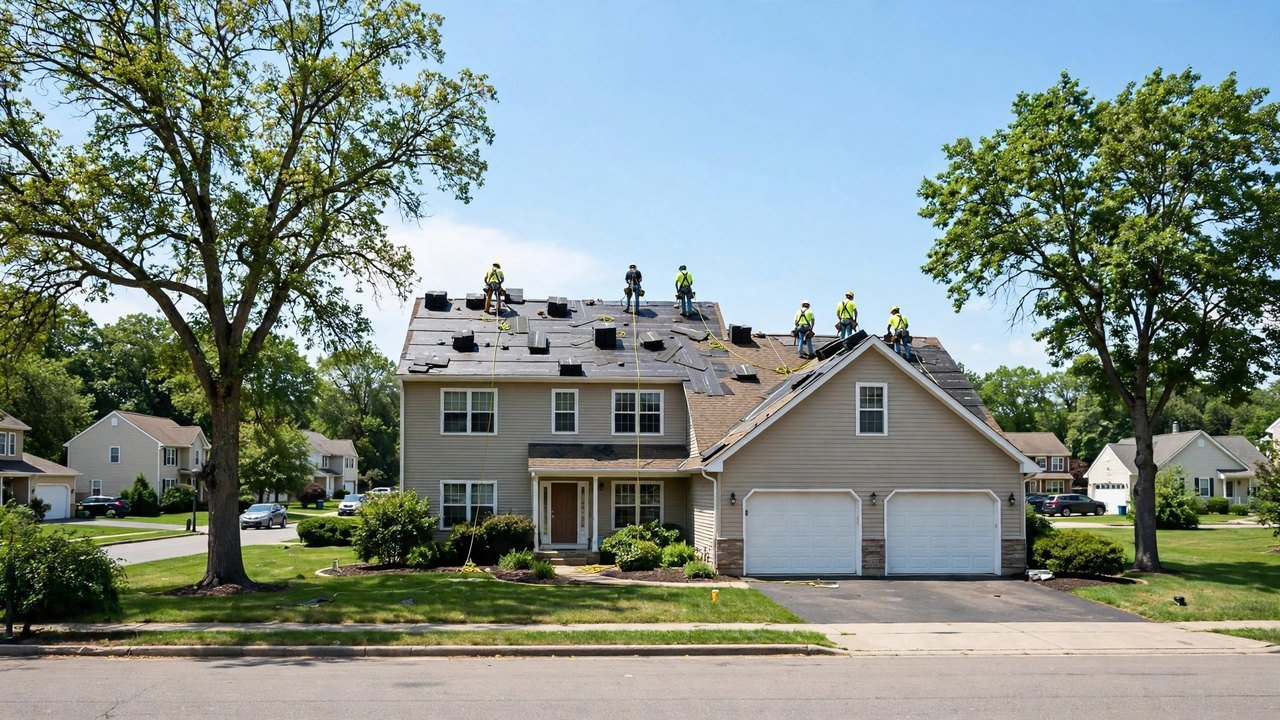
Several factors shape your final bill. Some you can control, like material choice. Others depend on your home and location.
Roof size is the main factor. A larger roof needs more material and more labor hours. Roof pitch also matters. A steep roof is harder and slower to work on, so labor costs rise.
Roof complexity adds cost too. Valleys, chimneys, skylights, and multiple levels take extra time and flashing work. Each extra feature raises both material and labor costs.
Material choice has a huge impact. Basic asphalt shingles cost far less than standing seam metal or slate. Underlayment, ventilation, and decking repairs also add to the total if your old roof has hidden damage.
Labor and permits vary by region. Big cities and coastal areas often charge more. Local permit fees can range from $200 to $1,000 or more depending on your city rules. Tear-off matters too: removing two or three old layers costs more than removing one.
Roof Replacement Cost Breakdown by Material and Size
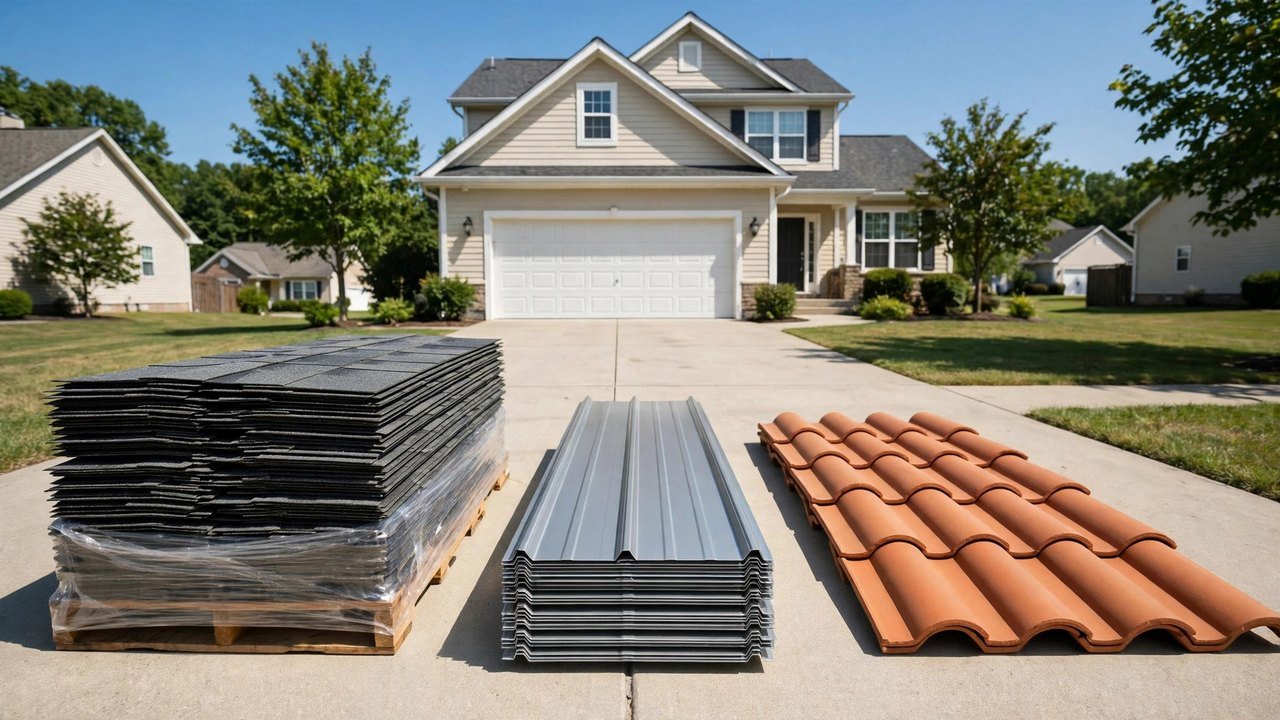
Breaking the job into parts helps you see where your money goes. Materials usually make up about 40 percent of the total. Labor makes up about 60 percent for a typical shingle job.
Here is what common materials cost installed in 2026:
| Material | Cost Per Sq. Ft. Installed | Expected Lifespan |
|---|---|---|
| Asphalt shingles | $4.50 – $8.50 | 20 – 30 years |
| Architectural shingles | $5.50 – $10.50 | 25 – 35 years |
| Metal roofing | $9.00 – $18.00 | 40 – 70 years |
| Wood shakes | $8.00 – $14.50 | 25 – 40 years |
| Clay or concrete tile | $10.00 – $20.00 | 40 – 60 years |
| Slate | $15.00 – $30.00+ | 75 – 100+ years |
Beyond the main material, expect smaller costs that add up. Underlayment may cost $0.50 to $1.50 per square foot. Drip edge, ridge vents, and flashing add a few hundred dollars. Dump fees for the old roof often run $300 to $800.
Deck repair is a common surprise cost. If a roofer finds rotted plywood, expect about $70 to $120 per sheet replaced. Get this rate in writing before work starts.
Roof Replacement Cost vs. Roof Repair Cost
Not every bad roof needs a full replacement. A repair is much cheaper, often $300 to $1,500 for a small leak or a few missing shingles. A larger repair for flashing or a small section may cost $1,500 to $3,000.
Repair makes sense when your roof is fairly young. If your roof is under 12 to 15 years old and the damage is in one area, a repair can buy you several more years. It is also a good short-term fix if you plan to sell soon.
Replacement makes sense when problems keep coming back. Curling shingles, widespread leaks, sagging areas, and heavy granule loss are signs the system is worn out. Patching an old roof again and again often costs more in the long run.
If a repair costs more than 25 to 30 percent of a new roof and your roof is near the end of its life, replacement is usually the better value.
How to Save Money on Roof Replacement Cost
You cannot cut the price in half, but smart choices can save you thousands. Start with timing and quotes, then look at materials.
- Get at least 3 quotes from licensed local roofers and compare line by line.
- Schedule work in late winter or early spring when roofers are less busy.
- Choose quality asphalt shingles instead of premium materials if budget is tight.
- Ask if you can keep one existing layer instead of a full tear-off, if local code allows it.
- Handle small prep work yourself, like clearing the attic and moving patio items.
- Ask about manufacturer rebates and seasonal promotions.
- Fix deck and ventilation issues during replacement to avoid a second labor bill later.
Do not choose on price alone. The cheapest bid often cuts corners on underlayment, flashing, or ventilation, which leads to leaks and a shorter roof life.
Financing Options for Roof Replacement
Many homeowners do not pay cash for a new roof. Several financing paths can spread the cost over time.
Home equity loans and home equity lines of credit often have the lowest rates for qualified owners. They use your home as collateral, so compare terms carefully. Personal loans are faster and need no collateral, but rates are usually higher.
Many roofing companies offer payment plans through lending partners. These plans may include 0 percent interest for 12 to 18 months if you qualify. Read the fine print, because the rate can jump sharply after the promo period ends.
Credit cards can work for a small portion of the cost with a 0 percent intro offer. Avoid putting the full job on a high-rate card. Insurance may help only if storm damage caused the need, not normal wear.
Questions to Ask Before You Hire a Roofer
The right questions protect you from poor work and surprise bills. Ask every roofer the same questions so you can compare answers fairly.
Are you licensed and insured in this state? Ask to see proof of liability insurance and workers compensation. Never hire based on a verbal promise alone.
Will you remove the old roof, and is disposal included? Get the tear-off, dump fees, and cleanup in writing. Also ask how they protect your yard, plants, and siding during the job.
What warranties do I get? Separate the manufacturer material warranty from the workmanship warranty. Ask how long each lasts and what voids them.
Frequently Asked Questions
How much does roof replacement cost for a 2,000 sq. ft. house?
Most homeowners pay about $9,500 to $19,000 for a 2,000 sq. ft. home with asphalt shingles. Metal or tile can push the total well above $25,000. Your pitch and roof design will move the price within that range.
How long does a roof replacement take?
A typical home takes 1 to 3 days for a full tear-off and replacement. Large, steep, or complex roofs can take 4 to 5 days. Bad weather and deck repairs can add extra time.
Does insurance cover roof replacement cost?
Insurance usually covers damage from a storm, fire, or falling tree. It does not cover wear from age. Check your policy and document any storm damage before you file a claim.
Can I install a new roof over the old one?
In some areas, one overlay is allowed by code. It saves tear-off cost but adds weight and can shorten the new roof life. Most roofers recommend a full tear-off for the best result.
What is the cheapest roofing material in 2026?
Asphalt shingles are the cheapest option for most homes. They cost about $4.50 to $8.50 per square foot installed. They also offer good value with a 20 to 30 year life.
When is the best time of year to replace a roof?
Late winter and early spring often have lower prices and shorter wait times. Fall is the busiest season in many states. Summer heat can also slow crews in very hot areas.
How do I know if I need replacement or just a repair?
If your roof is over 20 years old with curling shingles and repeat leaks, replacement is likely best. If the roof is younger and damage is in one small area, a repair may be enough. A trusted inspection can confirm it.
Conclusion
The roof replacement cost in 2026 depends most on size, material, and labor in your area. Most homeowners pay $5,500 to $25,000 or more, with asphalt shingles at the low end and metal, tile, and slate at the high end. Understanding the breakdown helps you read any quote with clear eyes.
Before you hire anyone, compare the full roof replacement cost from several local companies. Look beyond the bottom line to materials, tear-off, ventilation, and warranties. A fair price for quality work will protect your home far longer than the cheapest bid.
Start by getting inspections this week while small issues are still easy to see. With a clear budget, the right material, and a solid contract, your new roof can be a calm, one-time investment that lasts for decades.