Homeowners often ask, how much do solar panels cost for a house, and expect one simple number. The honest answer is that it depends on your home. A small house with low bills needs a much smaller system than a large house with an electric car.
In 2026, most houses fall into a fairly clear price range. Once you know your monthly use and your roof size, the quotes start to make sense. This guide shows prices by home size, what drives the cost, and how to keep it under control.
You will also see the cost with and without a battery, plus financing choices. That way you can plan a budget that fits your home, not someone else’s.
Prices vary by state and city, so get 2-3 local quotes before you decide how much do solar panels cost for a house like yours.
How Much Do Solar Panels Cost for a House? Quick Cost Summary
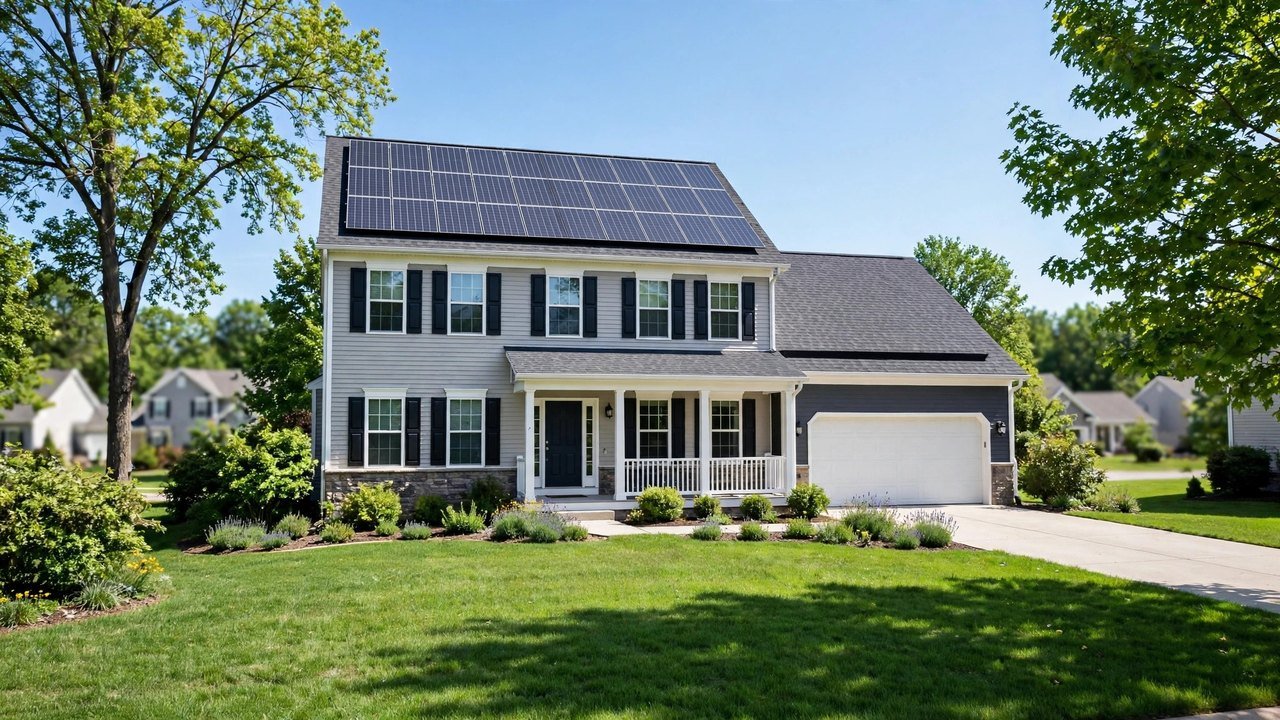
For most houses, solar panels cost about $15,000 to $35,000 before incentives. That is for a typical system in the 5 kW to 10 kW range. After the federal tax credit, commonly cited at 30% for eligible owners, the net cost is often $10,500 to $24,500.
Small homes can pay less. Large homes, or homes that add a battery, can pay more. Here is a guide by home size. Note that power use matters more than square feet alone.
| Home Size | Typical System Size | Cost Before Incentives | Cost After 30% Credit |
|---|---|---|---|
| Under 1,200 sq ft | 4 – 5 kW | $12,000 – $19,000 | $8,400 – $13,300 |
| 1,200 – 1,800 sq ft | 5 – 7 kW | $15,000 – $24,000 | $10,500 – $16,800 |
| 1,800 – 2,500 sq ft | 7 – 9 kW | $20,000 – $30,000 | $14,000 – $21,000 |
| Over 2,500 sq ft | 9 – 12 kW | $26,000 – $42,000 | $18,200 – $29,400 |
These ranges assume a fairly simple roof install. Complex roofs, panel upgrades, and batteries are extra.
What Affects How Much Do Solar Panels Cost for a House
Your electric bill is the best starting point. Installers look at a full year of use to size the system. A home that uses 800 kWh a month needs a bigger system than one that uses 400 kWh.
Roof space and sun matter too. A home with a large, sunny roof can fit standard panels at a lower cost. A shaded roof, or one split into many small sections, may need pricier high-efficiency panels or special equipment.
Your location affects labor, permit fees, and incentives. Your choice of inverter also matters. And if your electrical panel is old, an upgrade can add $1,500 to $4,000 to the project.
Finally, timing can matter. If you plan to buy an electric car or add a heat pump soon, tell the installer. Sizing for near-future use can save you a second project later.
How Much Do Solar Panels Cost for a House by Component
When you get a quote, ask for a breakdown. Panels are often about a quarter to a third of the total price. The inverter, which turns solar power into home power, is another key part.
Mounting gear, wiring, and safety parts add a smaller but real share. Labor is a large share too. It covers design, permits, roof work, electrical work, and inspection.
Monitoring systems are often included, so you can track output on your phone. If a battery is included, it will be listed on its own and can add $8,000 to $15,000 or more.
Watch for extras that may not be in a basic quote. These include roof repair, tree trimming, a main panel upgrade, or a longer wire run. A clear written breakdown helps you compare quotes without surprises.
How Much Do Solar Panels Cost for a House With vs. Without a Battery
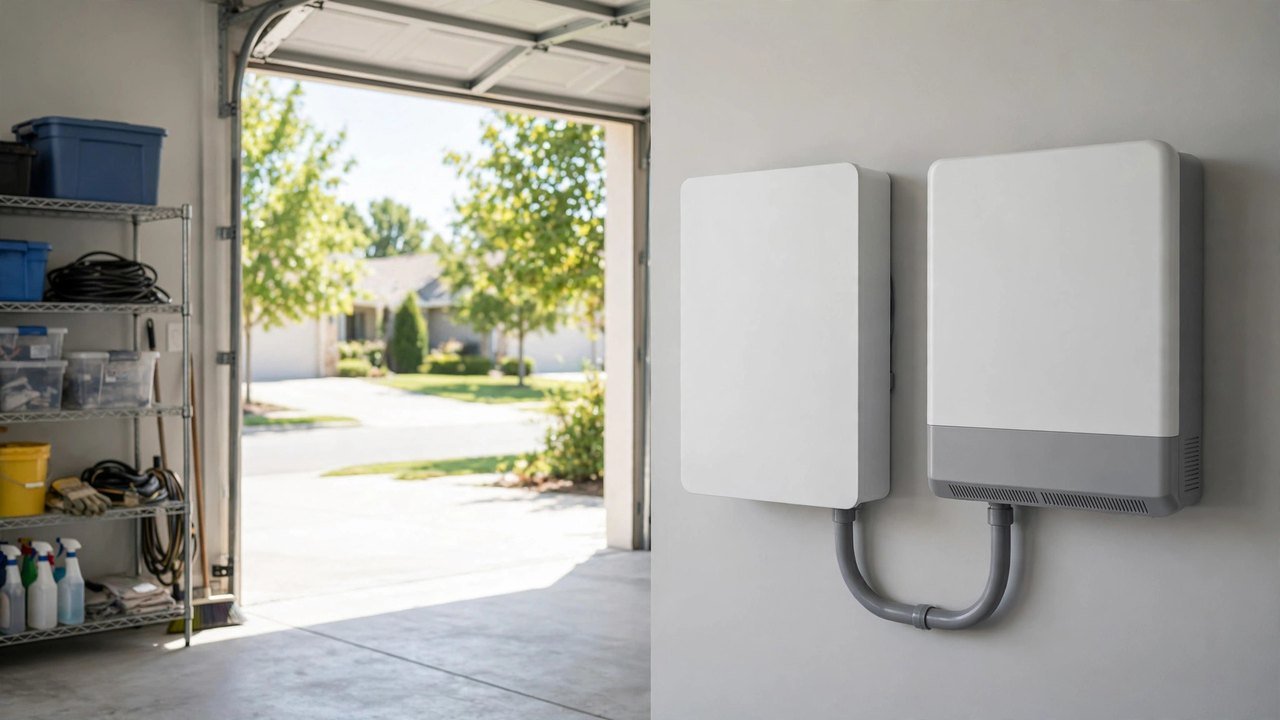
A battery is the biggest add-on decision. Without a battery, a mid-size house might pay $18,000 to $28,000 before incentives. With one battery, that same house might pay $28,000 to $42,000 before incentives.
The battery stores daytime power for evening use. It also keeps key items running during an outage, like lights, Wi-Fi, and a fridge. It does not, by itself, make panels produce more power.
If your area pays a fair rate for extra power you send to the grid, and outages are rare, you may skip the battery for now. If rates are high at night or outages are common, the extra cost may feel worth it. Many systems let you add storage later.
How to Save Money
Small choices can save thousands on a home solar project.
- Compare 2-3 detailed quotes for the same system size.
- Claim the federal credit and any state or local incentives you qualify for.
- Right-size the system to your real yearly use.
- Do roof work before install, not after.
- Ask for cash and loan prices side by side to see financing fees.
- Keep the design simple if your roof gets good sun.
- Improve home efficiency first, like sealing leaks, so you need fewer panels.
Efficiency is often the cheapest win. A home that wastes less power needs a smaller, cheaper solar system.
Financing Options
Cash gives the lowest total cost, but many families finance. Solar loans are widely offered, with terms that vary from a few years to 25 years. Look at the rate, the fees, and the total paid over time, not just the monthly amount.
A home equity loan or line of credit is another route. It may offer a lower rate, but it is secured by your home. Read the terms carefully and borrow only what you need.
Leases and similar plans can start with little upfront cost. In those plans, another company owns the system, so you may not get the tax credit. Since the federal credit is commonly cited at 30%, check current rules and talk to a tax professional before you sign any plan.
Questions to Ask Before You Hire
Ask how the installer sized your system and what yearly output they expect. Ask what panels and inverter you are getting, and how long each warranty lasts.
Ask who handles permits, inspections, and utility paperwork. Ask if the price includes a panel upgrade or roof work, or if those are extra. Ask who will service the system if something fails in five years.
Get every answer in the written contract. If a promise is not in writing, it is hard to hold anyone to it later.
Frequently Asked Questions
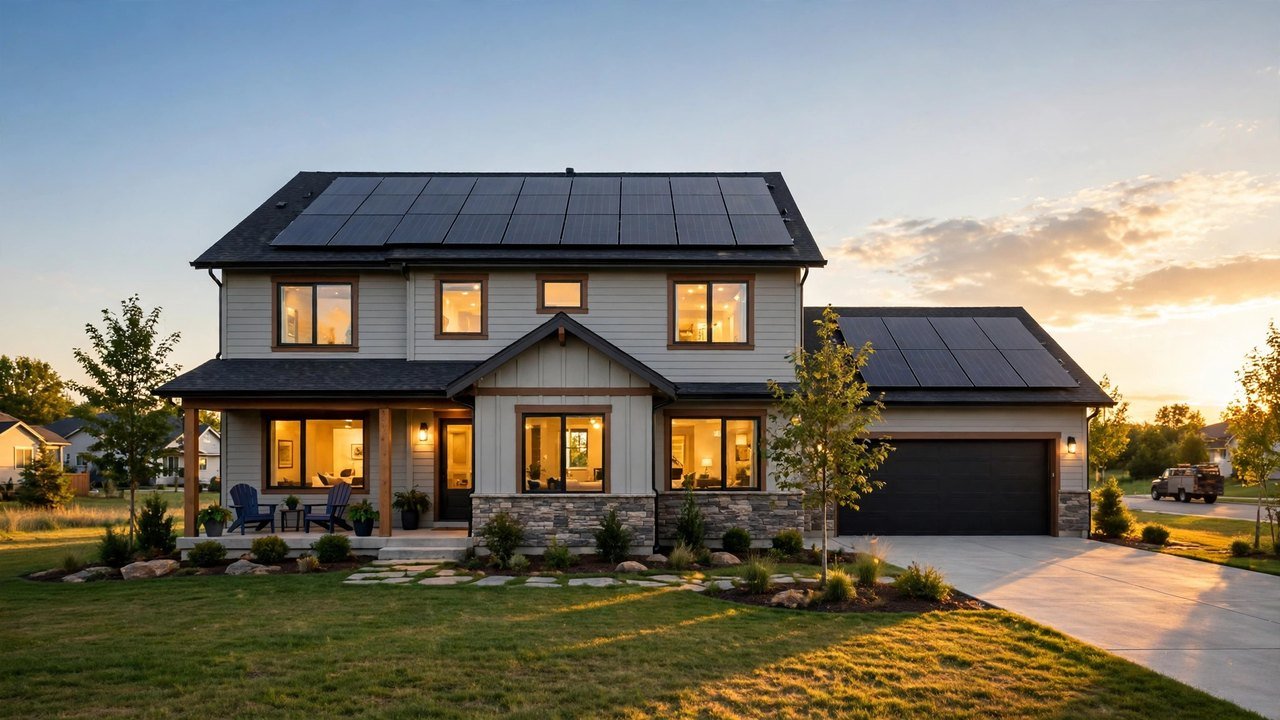
How much do solar panels cost for a 2,000 square foot house?
A house that size often needs a 6 kW to 9 kW system, costing about $18,000 to $30,000 before incentives. Actual use matters more than square feet alone.
How many panels does a typical house need?
Many homes use about 15 to 25 panels, depending on panel wattage and power needs. A low-use home needs fewer, and a high-use home needs more.
How long until solar pays for itself?
Payback often takes several years and varies by state, rates, and incentives. Homes with high electric rates and good sun usually see a faster payback than homes with low rates.
Can solar run my whole house?
Yes, a well-sized system can cover most or all of your yearly use. You will still stay connected to the grid in most cases, which covers cloudy stretches and night use.
Do solar panels increase home value?
In many markets, owned solar panels can appeal to buyers because of lower bills. The effect varies by area. Leased systems can be more complex during a sale.
What maintenance do solar panels need?
Maintenance is low. Rain often keeps panels clean, and an occasional check helps. Most owners just monitor output and call if production drops without a clear reason.
What if I move after installing solar?
You can sell the home with the system included, which is common for owned systems. If you have a loan, check if it can be paid off or transferred at sale.
Conclusion
So, how much do solar panels cost for a house in 2026? For most homes, plan on $15,000 to $35,000 before incentives, and less after the federal credit if you qualify. Home size, power use, roof shape, and battery choice explain most of the spread between quotes.
The smartest next step is to gather your last 12 months of electric bills and get detailed local quotes. When you compare how much do solar panels cost for a house side by side, look at equipment, warranties, and total net price together.
Done right, solar is a long-term home upgrade, not a quick purchase. Choose a fair price and a trusted installer, and your system can lower your bills and support your home for decades.