When summer heat hits and your AC stops cooling, central air replacement cost becomes the first thing you want to know. In 2026, most homeowners in the USA pay between $5,500 and $12,000 for a full central air replacement, including the unit and installation. Smaller homes and basic systems cost less. Larger homes and high-efficiency systems cost more.
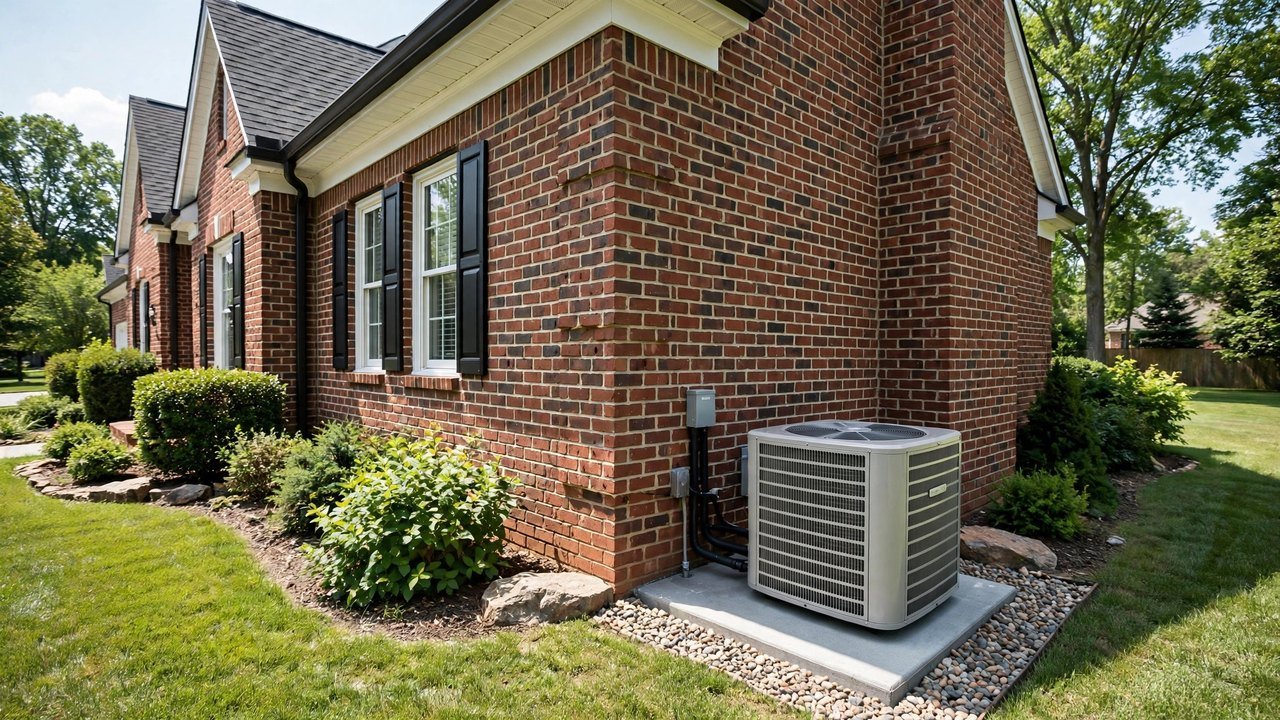
Replacing central air is not just buying a box that sits outside. The system includes an outdoor condenser, an indoor coil, refrigerant lines, and controls. All parts must match and be sized right for your home to cool well and last.
This guide walks through average prices by size, what affects the bill, and where the money goes. It also helps you decide between repair and replacement and shows simple ways to lower the total.
Prices vary by state and city, and summer labor demand can push prices up, so get 2-3 local quotes before you commit.
Central Air Replacement Cost: Quick Summary

A standard 3-ton system for a mid-size home is the most common job. It often falls in the $6,500 to $9,500 range installed. High-efficiency systems with variable-speed fans can reach $12,000 to $16,000, but they use less energy and run more quietly.
Here is a quick view of central air replacement cost by home size and system size in 2026:
| Home Size | System Size | Average Installed Cost | Low – High Range |
|---|---|---|---|
| 1,000 – 1,400 sq ft | 2 tons | $5,800 | $4,500 – $7,500 |
| 1,400 – 1,800 sq ft | 2.5 tons | $6,800 | $5,200 – $9,000 |
| 1,800 – 2,200 sq ft | 3 tons | $7,800 | $6,000 – $10,500 |
| 2,200 – 2,800 sq ft | 3.5 – 4 tons | $9,200 | $7,000 – $12,500 |
| 2,800 – 3,400 sq ft | 5 tons | $11,000 | $8,500 – $15,000 |
These prices assume you already have ductwork in good shape. If you need new ducts, that is a separate cost that can add $2,000 to $5,000 or more. If you are replacing both the AC and furnace together, the combined job often costs less than doing them months apart.
SEER2 rating matters too. A basic 14.3 SEER2 unit is the lowest-cost legal option in most areas. A 16 to 18 SEER2 unit costs more upfront but can lower summer electric bills, especially in hot states like Texas, Arizona, and Florida.
What Affects the Central Air Replacement Cost

System size is a top factor in central air replacement cost. Size is measured in tons, and one ton cools about 400 to 600 square feet, depending on climate and insulation. A bigger home or a hotter climate needs more tons, and each step up adds equipment and labor cost.
Efficiency is next. Higher SEER2 systems use advanced compressors and fans. They cost more to buy but less to run. In a mild climate with short summers, a basic model may pay off fine. In a hot climate, the savings from a high-efficiency model can add up over 12 to 15 years.
Your existing setup changes the price a lot. If the new unit fits the old lines, pad, and electrical panel, labor is simpler. If the contractor must move the unit, replace refrigerant lines, upgrade the breaker panel, or fix ducts, the bill grows.
Brand, features, and comfort add-ons play a role. Variable-speed systems, smart thermostats, air purifiers, and humidity control all improve comfort but raise the price. Labor rates also vary by region and season, with peak summer being the most expensive time to book.
Central Air Replacement Cost Breakdown by Component

Breaking down central air replacement cost by component helps you read a quote with confidence. No single line tells the whole story.
The outdoor condenser unit is the biggest equipment cost, often $2,500 to $5,500 depending on size and efficiency. The indoor evaporator coil adds $800 to $2,000. Together, they must be a matched set from the same maker for the warranty and performance to hold.
Labor is usually $1,500 to $3,000 for a standard replacement. This covers removing the old system, setting the new unit, connecting lines, charging refrigerant, and testing. Complex jobs with attic coils or tight spaces cost more in labor.
Materials and extras add $500 to $1,500. This includes a new pad, disconnect box, refrigerant, line insulation, and a thermostat. An electrical upgrade, if your panel is too small, can add $500 to $2,000 on its own.
Permits and disposal often add $150 to $500. Many cities require a permit and inspection for an AC change-out. Ask for each cost in writing. A clear breakdown makes it much easier to compare two or three bids fairly.
If ductwork is part of the quote, ask to see it as a separate line. Duct repair may be $300 to $1,000. Full duct replacement is a much larger job and should never be hidden inside a basic AC price.
Repair vs. Replacement: When Does Replacement Make Sense?
A repair can be the right call for a young system. Replacing a capacitor, contactor, or fan motor may cost $200 to $900 and can add years of life. If your system is under eight years old and cools well overall, repair is often the smart first step.
Replacement makes more sense when repairs get frequent or expensive. A failed compressor can cost $1,800 to $3,000 to fix, and there is no promise another major part will not fail soon after. At that point, putting the money toward a new system is usually better.
Age and efficiency also tip the scale. Most central air systems last 12 to 17 years. If yours is near that age, uses old refrigerant, or drives up your electric bills each summer, a new system can improve comfort and lower monthly costs right away.
How to Save Money on Central Air Replacement
You can lower the price without buying the cheapest system on the market. A few planned steps make a real difference.
- Get three written quotes from licensed contractors and compare size, SEER2, and warranty, not just price.
- Schedule replacement in spring or fall, when demand is lower and deals are more common.
- Choose the right size. An oversized unit costs more, cools unevenly, and leaves humidity behind.
- Ask about utility rebates for higher SEER2 models, which can range from $200 to $1,200 in many areas.
- Check for federal tax credits on qualifying high-efficiency systems and save your receipts.
- Replace AC and furnace together if both are old to save on shared labor.
- Keep existing ducts if they are sealed and sized right, and fix small leaks instead of replacing all ducts.
- Sign up for a yearly maintenance plan to protect efficiency and extend system life.
Financing Options for Central Air Replacement
A new system is a large expense, so many homeowners finance part of it. HVAC companies often offer plans with promotional zero-interest periods of 12 to 18 months. These can work well if you can pay the balance before the promo ends.
Other options include a personal loan, a home equity line of credit, or a low-interest energy loan from your state or utility. Each has different rates and terms. A home equity product may offer the lowest rate but uses your home as collateral.
Questions to Ask Before You Hire an AC Contractor
Start by asking if the company is licensed, insured, and certified to handle refrigerant. Ask how they size the system. The best answer involves a load calculation based on your home, not just copying the old tonnage.
Ask what brand and model they quote, what SEER2 rating it has, and how long the parts and labor warranties last. Ask if permits and disposal are included in the price.
Ask about the install timeline, who will do the work, and what happens if they find duct or electrical issues during the job. Get the full quote in writing, with model numbers, so you know exactly what you are paying for.
Frequently Asked Questions
How much does central air replacement cost on average in 2026?
Most homeowners pay $5,500 to $12,000 installed. A typical 3-ton system for a mid-size home usually costs $6,500 to $9,500, depending on efficiency and region.
How long does a central air system last?
Most systems last 12 to 17 years with regular maintenance. Homes in very hot climates may see a shorter life because the system runs more hours each year.
What SEER rating should I choose?
A 14.3 to 16 SEER2 system is a good balance for many homes. Higher ratings make more sense in hot climates where the AC runs for many months.
How long does it take to replace central air?
A standard replacement takes one day in most cases. Jobs that include new ductwork, a furnace, or electrical upgrades can take two to three days.
Can I replace only the outdoor unit?
It is not recommended. The outdoor unit and indoor coil must match for efficiency and warranty. Mixing old and new parts often leads to poor cooling and early failure.
Do I need new ductwork with a new AC?
Not always. If your ducts are in good shape and sized right, you can keep them. Leaky or undersized ducts should be fixed so the new system works well.
Are rebates available for a new central air system?
Yes, many utilities offer rebates for high-efficiency models, and some tax credits apply. Check your local utility and keep all model paperwork to claim them.
Conclusion
Knowing the central air replacement cost before summer gives you control over the decision. Most homes fall in the $5,500 to $12,000 range, with size, SEER2 rating, and the condition of your ducts and electrical system driving the final number.
A new system should do more than cool. It should lower bills, reduce humidity, and run quietly for years. That result comes from correct sizing and clean installation, not from picking the highest or lowest bid at random.
Compare quotes, check rebates, and ask direct questions about warranty and sizing. With that groundwork, your central air replacement cost becomes a planned home investment that pays you back in comfort every hot day.