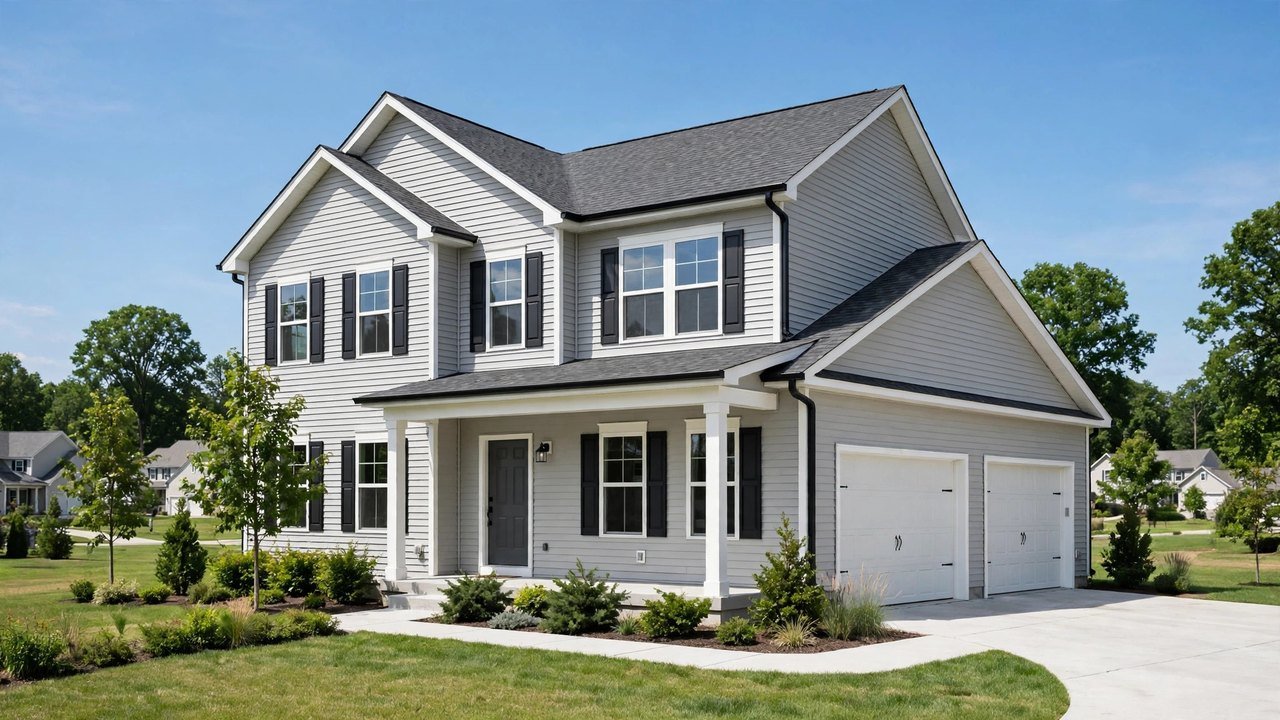
New siding changes how a home looks and how well it resists weather. If your siding is cracked, warped, or faded, vinyl siding replacement cost is one of the most practical numbers to learn before you call a contractor.
Vinyl remains the most popular siding choice in the USA for a simple reason: it offers a clean look, low upkeep, and a fair price. Still, totals swing widely by home size, siding grade, and how much prep work your walls need.
This guide breaks down 2026 prices per square foot and per home, the factors behind them, and ways to save. Prices vary by state and city, so always get 2-3 local quotes before you start.
Vinyl Siding Replacement Cost: Quick Cost Summary
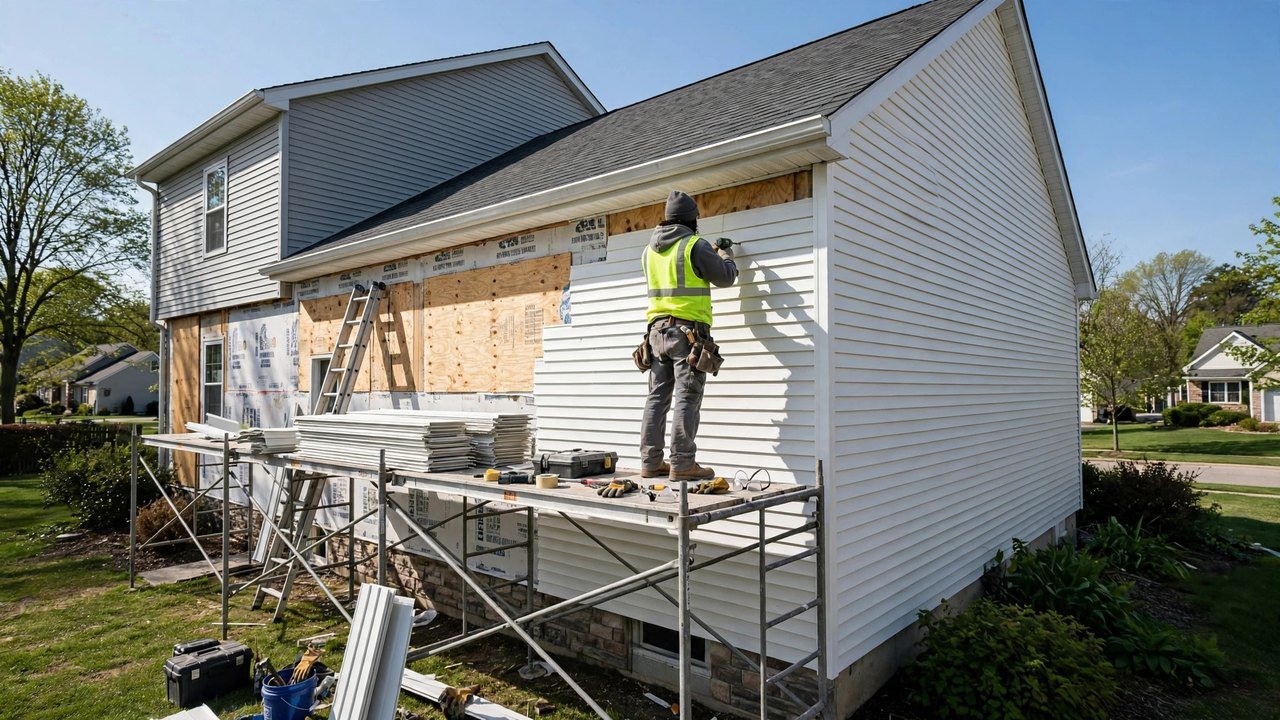
Installed vinyl siding usually costs $4 to $12 per square foot in 2026. Most average homes fall in the middle of that range.
| Home / Item | Average Cost | Low-High Range |
|---|---|---|
| Per square foot, installed | $7 | $4 – $12 |
| Per square (100 sq ft), installed | $700 | $400 – $1,200 |
| 1,000 sq ft home (wall area ~1,200 sq ft) | $8,400 | $5,000 – $14,000 |
| 1,500 sq ft home (wall area ~1,700 sq ft) | $12,000 | $7,000 – $19,000 |
| 2,000 sq ft home (wall area ~2,200 sq ft) | $15,500 | $9,000 – $25,000 |
| Old siding removal and disposal | $1.25 per sq ft | $1 – $2 per sq ft |
| Insulated vinyl siding add-on | $2 per sq ft | $1.50 – $3 per sq ft |
These figures include standard vinyl panels, basic trim, house wrap, and labor on a typical two-story home. Complex homes with many corners and gables cost more per foot.
Floor area differs from wall area. A contractor measures actual walls to size the job.
What Affects the Vinyl Siding Replacement Cost?
Home size and shape come first. More wall area means more material and labor. Two-story homes need scaffolding or lifts and take longer. Many corners, gables, and bump-outs add cutting and trim work.
Siding grade matters. Thin builder-grade vinyl costs the least but can crack sooner in cold or hail. Premium and insulated panels cost more, feel sturdier, and resist impact better.
Removal of old siding adds cost. Taking off one layer is routine. Removing several layers, or old siding that contains hazards requiring special handling, costs more and takes longer.
Wall condition can surprise you. Rotten sheathing, water damage, or uneven walls must be fixed before new siding goes on. Budget a small cushion for these repairs, since they are hidden until the old siding comes off.
Trim and details add up. Corner posts, window and door trim, soffit, fascia, and starter strips are part of a finished look. Homes with many windows pay more for trim and flashing.
Your region sets labor rates, and busy seasons book up fast. Coastal and high-wind areas may also require specific fastening methods that add labor time.
Vinyl Siding Replacement Cost by Grade and Component
Standard vinyl panels cost about $2 to $4 per square foot for materials in common profiles. Premium panels run $3 to $6 per square foot. Insulated vinyl, which has foam backing, runs $4 to $7 per square foot for materials.
Labor usually costs $2 to $5 per square foot. Experienced crews work faster and leave cleaner lines, which matters on a product you will see every day.
House wrap and moisture barrier add about $0.30 to $0.80 per square foot installed. This layer is cheap protection against water behind the siding. Do not skip it to shave the quote.
Trim, soffit, and fascia often add $500 to $2,500 to a full job depending on home size and detail. Vinyl soffit and aluminum-wrapped fascia also cut future painting costs.
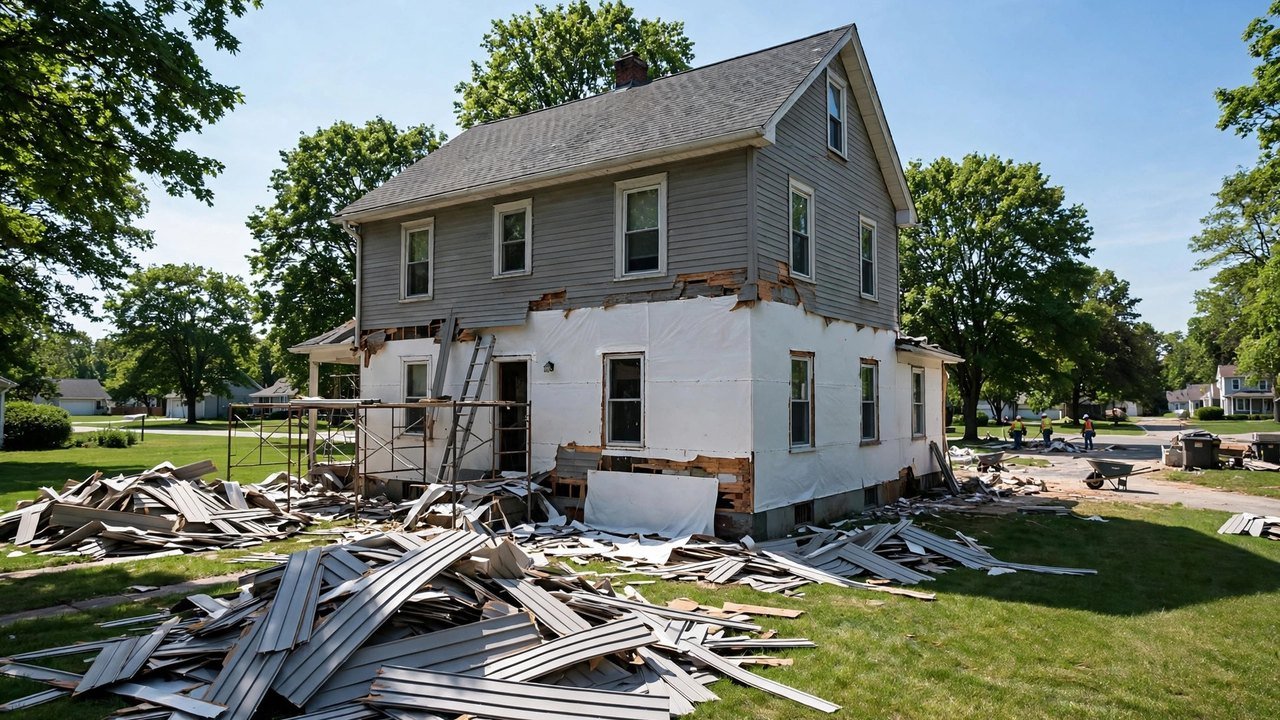
Removal and disposal of old siding typically adds $1 to $2 per square foot. If your old siding can be covered in some cases, a contractor may discuss it, but full removal lets the crew inspect and repair the walls, which is usually the better long-term choice.
Fasteners, flashing, and starter strips are small line items but essential. Make sure they are listed in the quote so the low bid is not missing the basics.
Vinyl Siding Replacement Cost: Vinyl vs. Other Siding Compared
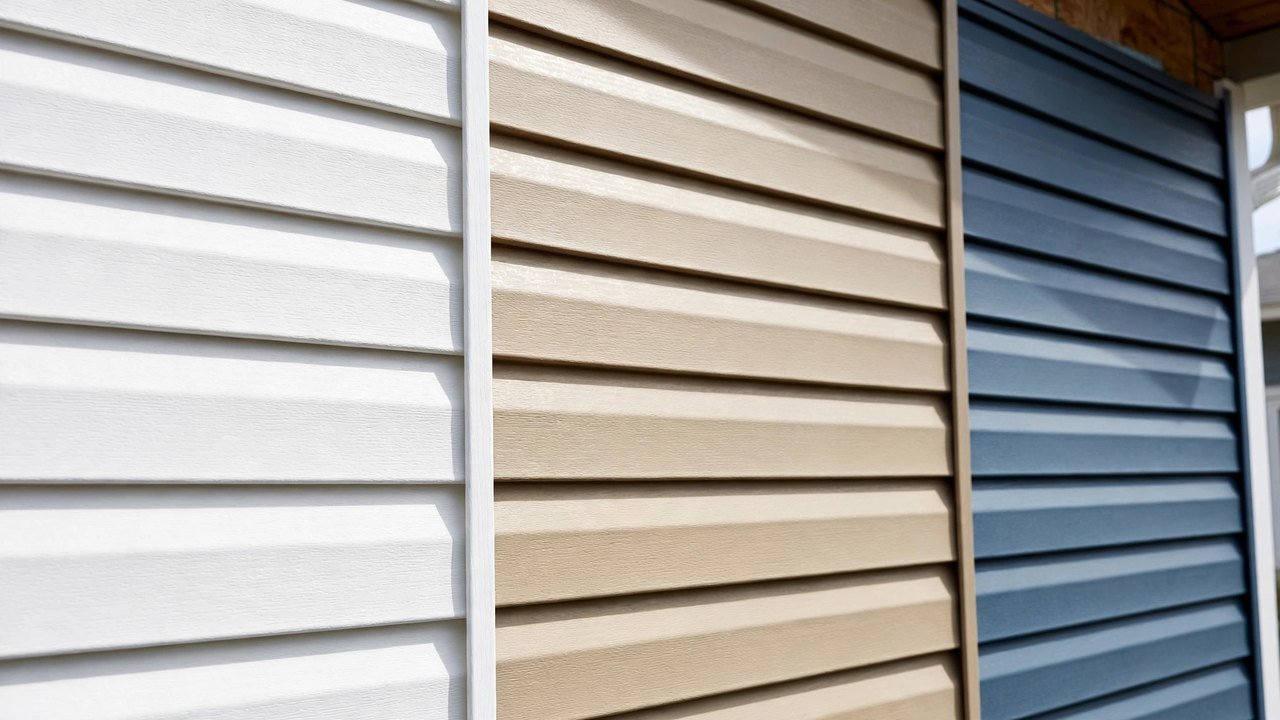
Vinyl is the budget leader. Fiber cement costs more, often $6 to $15 per square foot installed, but offers a heavier feel and strong fire resistance. It also needs painting over time, while vinyl color goes through the panel.
Wood siding costs about $7 to $18 per square foot installed and needs regular paint or stain. Many homeowners love its look but not its upkeep. Vinyl that mimics wood grain gives a similar style with far less work.
Engineered wood sits between vinyl and fiber cement on price, often $5 to $12 per square foot installed. It resists moisture better than natural wood but still needs painted finishes maintained.
Metal siding can cost $7 to $16 per square foot installed. It lasts a long time and suits modern designs, but it dents and costs more than vinyl in most cases.
For most homeowners weighing price, upkeep, and lifespan together, vinyl offers the best balance. A quality vinyl job can last 20-40 years with only occasional washing.
How to Save Money on Vinyl Siding Replacement Cost
You can lower the bill without settling for poor work.
- Get 2-3 quotes with per-square pricing, grade, thickness, and trim listed clearly.
- Choose a standard grade and a common color; custom colors and top grades raise material cost.
- Add foam insulation only where it pays off, or choose standard panels over insulated ones if the budget is tight.
- Schedule in the off-season if your area has one; some crews offer better pricing when demand is low.
- Handle simple prep yourself, like moving items away from walls and trimming bushes for access.
- Keep the layout simple. Extra decorative trims and mixed profiles look nice but add cost quickly.
- Fix the real problems first. Paying to repair rotten sheathing once is cheaper than siding over damage.
- Ask about material overage. Confirm how full boxes and returns are handled so you do not overbuy.
The best saving is durability. A mid-grade panel installed well will outlast a premium panel installed poorly.
Financing Options for Siding Replacement
A full siding job is a larger project, so financing is common. Many siding companies offer payment plans or partner with home improvement lenders. Check the interest rate and total cost, not just the monthly figure.
Home equity loans and lines of credit often carry lower rates for amounts in the $10,000 to $25,000 range. They suit homeowners who are also planning other exterior work, such as gutters or windows.
Personal loans offer fixed payments without using your home as collateral. They can work well for mid-sized jobs if you qualify for a good rate.
Credit cards are best only for small portions of the job, like a deposit, unless you have a low-rate offer you can pay off in time. Interest can erase any savings from a low bid.
Some local programs support exterior repairs that improve energy performance, especially when insulated siding and air sealing are included. Check with your city, state energy office, and utility before you sign, since programs change often.
Questions to Ask Before You Hire
Siding quality is easy to see but hard to redo. Ask these questions before you choose a crew.
Are you licensed and insured, and can you show recent siding jobs near me? How many vinyl installs does your crew complete each year?
What panel thickness and grade are you quoting, and what warranty covers the material and your labor? Who honors the manufacturer warranty if there is a problem?
Does the quote include removal, disposal, house wrap, trim, soffit, and flashing? What happens if you find rotten sheathing, and how is that priced?
How long will the job take, and how will you protect windows, landscaping, and fixtures? Get the scope, materials, timeline, and total price in writing before work begins.
Frequently Asked Questions
How much does vinyl siding replacement cost per square foot in 2026?
Installed vinyl siding costs $4 to $12 per square foot for most homes. Standard jobs often land near $6 to $8 per square foot including trim and labor.
How long does vinyl siding last?
Quality vinyl siding typically lasts 20-40 years. It needs little more than washing once or twice a year. Premium and insulated grades tend to last toward the higher end.
Can new vinyl siding go over old siding?
Sometimes, but full removal is usually better. Removing old siding lets the crew check for rot and install house wrap. Covering old layers can trap problems and void some warranties.
Does insulated vinyl siding lower energy bills?
It can help modestly by adding a layer of foam and reducing air leaks. The bigger comfort gains come when it is paired with good house wrap and sealed gaps.
How long does siding replacement take?
Most homes take 5-10 days depending on size, weather, and repairs found under the old siding. Complex or large homes can take two weeks.
What thickness of vinyl siding should I choose?
Look for panels around 0.042 to 0.046 inches thick for a good balance of cost and strength. Thinner builder-grade panels cost less but dent and crack more easily.
Does new siding increase home value?
New siding improves curb appeal and can help a home sell faster. Exact value gains vary by market, so focus on quality and appearance rather than a promised return.
Conclusion
Vinyl siding replacement cost in 2026 is best understood per square foot: $4 to $12 installed for most homes, with totals driven by size, grade, removal, and wall repairs. Measuring your walls and comparing itemized quotes puts you in control of the budget.
Spend where it counts. Sound sheathing, proper house wrap, and careful trim work matter more than the fanciest panel profile. A solid mid-grade product, installed well, will look good and protect your home for decades.
Get 2-3 local quotes, verify warranties in writing, and plan for a small repair cushion once the old siding comes off. With those steps, your vinyl siding replacement cost becomes a lasting upgrade, not just a fresh coat of color.