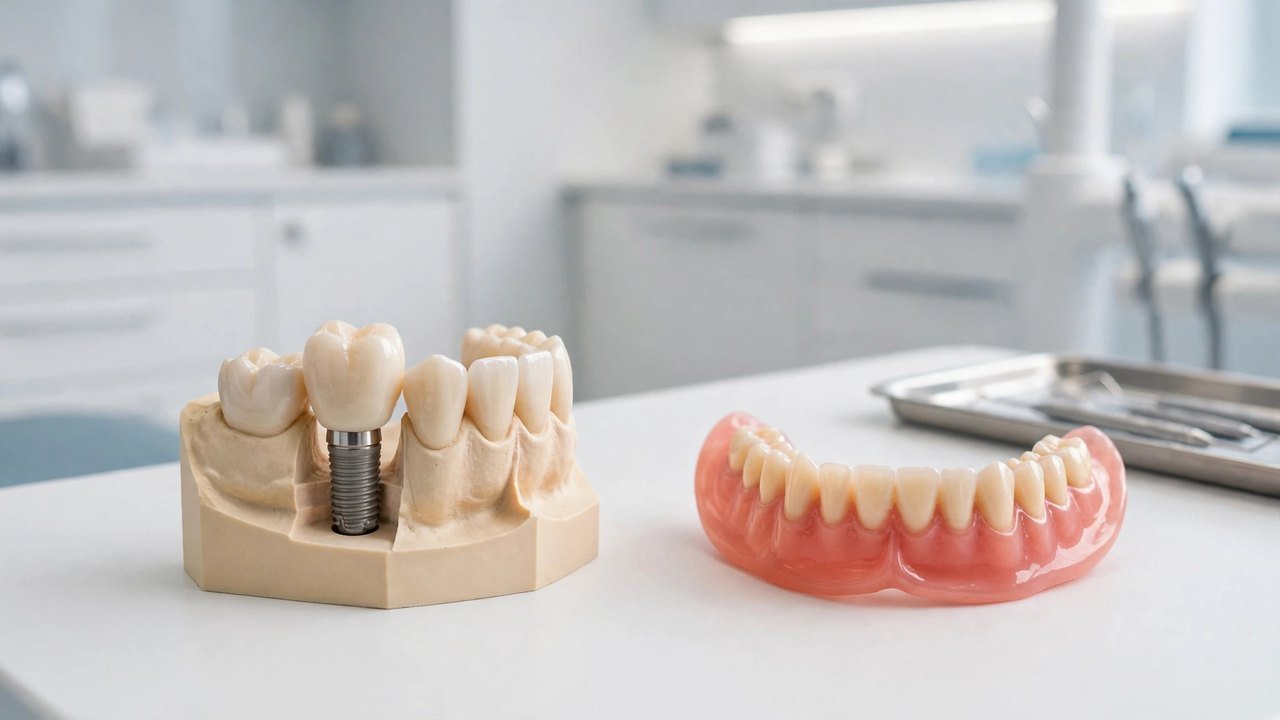
Choosing between implants and dentures usually starts with price, and the dental implants vs dentures cost gap is large. In 2026, a conventional denture costs about $1,000 to $4,000 per arch in the United States. A single dental implant with its crown costs about $3,000 to $6,000 per tooth.
But the first price is not the whole story. Dentures wear out and need remakes. Implants cost far more upfront but often last much longer.
This guide compares both paths honestly, including long-term costs most people miss.
This is general cost information only, not medical advice. Please discuss treatment suitability with your dentist, since your bone, gums, and health shape which options are truly open to you.
Dental Implants vs Dentures Cost at a Glance
| Option | Typical Cost | How Long It Often Lasts |
|---|---|---|
| Single implant with crown | $3,000–$6,000 per tooth | Many years; post often decades |
| Implant bridge, 3 teeth | $6,000–$13,000 | Many years with care |
| All-on-4, per arch | $15,000–$38,000 | Posts long-term; teeth may renew |
| Implant-supported denture, per arch | $8,000–$20,000 | Denture remade; posts remain |
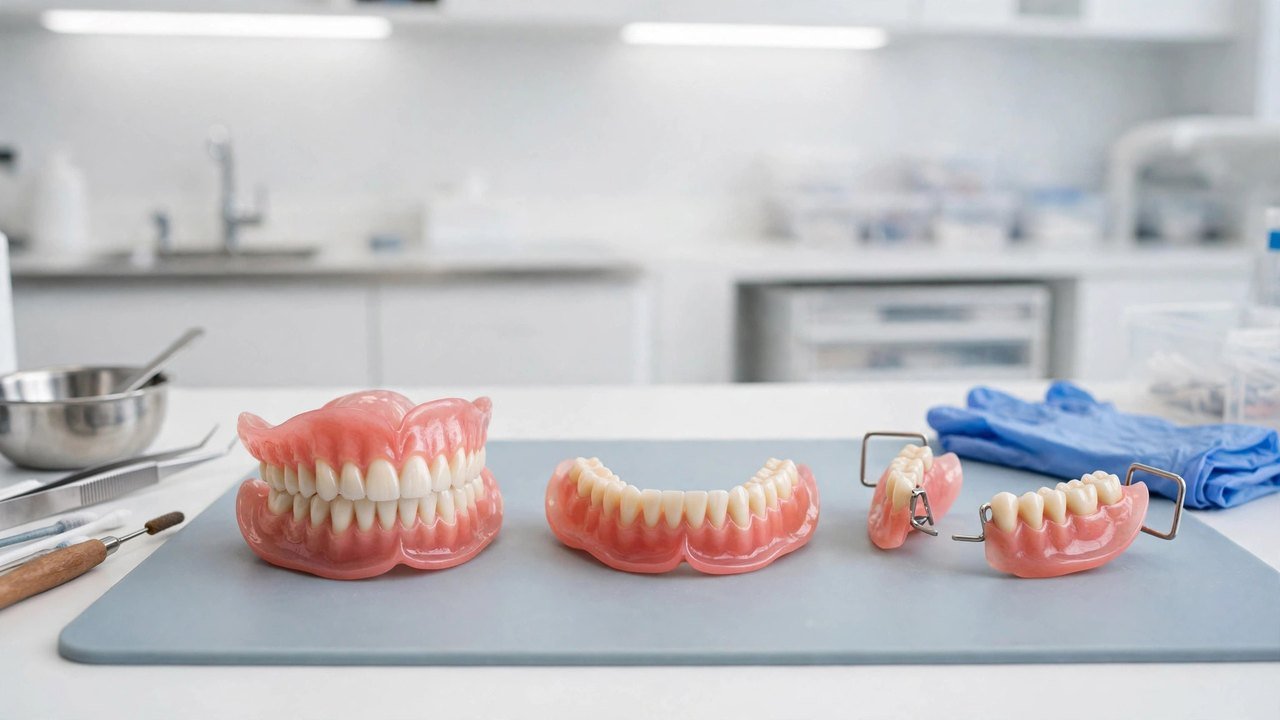
| Conventional denture, per arch | $1,000–$4,000 | Often 5–8 years before remake |
| Partial denture | $700–$3,500 | Often 5–10 years |
The middle rows matter. Implant-supported dentures sit between the two extremes, and many patients find them the sweet spot on both comfort and budget.
Prices vary by state and city, and readers should get 2–3 quotes from local providers for either option before deciding.
What Affects the Dental Implants vs Dentures Cost Gap?
Surgery vs no surgery. Implants need surgery, imaging, healing time, and precision parts. Dentures are made in a lab from impressions, with no surgery at all. That difference alone explains most of the price gap. It also explains why implant quotes come in stages rather than one simple fee.
Number of teeth and materials. A denture replaces a whole arch for one price. Implants price per tooth or per arch system, and premium materials raise the total. On the denture side, basic acrylic costs less than flexible or premium-tooth versions.
Bone health. Dentures rest on the gums, so bone loss does not block them, though it affects fit. Implants need solid bone or grafting, which adds cost for some patients — and some mouths simply cannot hold implants without major work first.
Cost Breakdown by Component
| Component | Implants | Dentures |
|---|---|---|
| Main hardware | Post $1,000–$3,000 | Denture base and teeth |
| Connector or fitting | Abutment $300–$1,000 | Impressions and fittings |
| Visible tooth or teeth | Crown $800–$3,000 | Included in denture price |
| Prep work | Graft $200–$3,500 if needed | Extractions $75–$650 each |
| Ongoing care | Normal checkups, rare repairs | Relines, adhesives, remakes |
Notice how denture costs spread out over time, while implant costs cluster at the start. Relines adjust the fit as gums change, adhesives are a small repeat purchase, and a full remake is usually needed within a decade. None of these costs appear in the first denture quote, which is why the opening price can mislead.
Implant care is closer to natural-tooth care: brushing, flossing tools, and routine checkups. Repairs are less common but can be pricier when they happen, usually a crown replacement rather than the implant itself.
Dental Implants vs Dentures Cost: Comfort, Function and Long-Term Value

Now run the math over time. A $2,500 denture replaced every seven years costs about $7,500 over 21 years, plus relines. A $4,500 implant may still be in place at year 21 with only routine care. Per tooth, long-term costs can end up closer than the first quotes suggest.
Full-arch numbers are starker. Dentures for both arches might cost $4,000 to $8,000 at first, then repeat. Fixed implant teeth at $30,000 to $70,000 for both arches cost far more upfront, but the underlying posts are built to stay. The true gap depends on how many remakes you would otherwise need.
Function is the other half of value. Implants are anchored, so they do not slip while eating or speaking, and they let you bite with much more force. Dentures can loosen as the jaw changes shape, may need adhesive, and often limit chewy or hard foods. Only you can judge how much that daily difference is worth to you.
How to Save Money on Either Option
- Get 2–3 written quotes. Prices for both implants and dentures vary widely between offices in the same town.
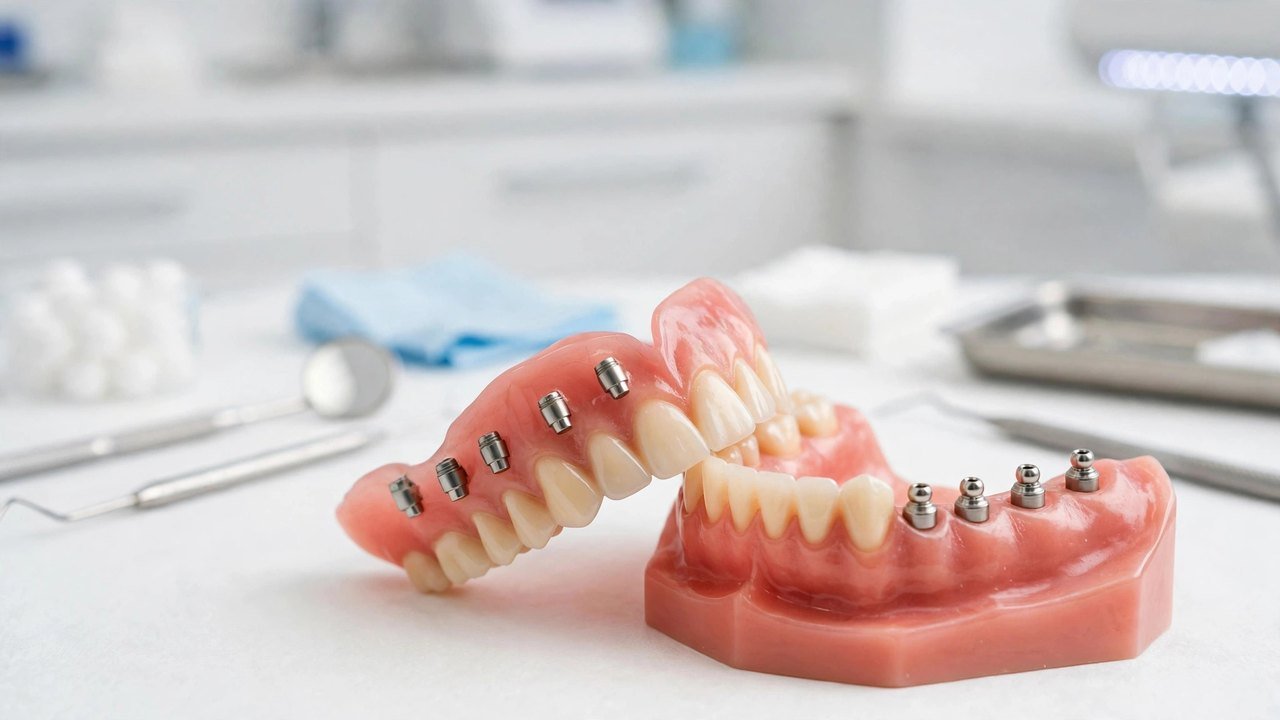
- Consider an implant-supported denture. Two to four implants per arch steady a denture at a fraction of fixed-bridge cost.
- Ask a dental school clinic. Both dentures and, in some programs, implants are offered at lower fees with supervised care.
- Use plan years wisely. If you have insurance, spreading stages across two plan years can apply two annual maximums to either path.
- Ask about an in-house savings plan. Member pricing can cut fees on dentures, relines, and implant work alike.
- Protect what you buy. Night guards where advised, good cleaning, and regular checkups extend the life of both options.
If budget forces a choice today, a well-made denture now does not close the implant door later. Many patients start with dentures and upgrade when finances allow.
Financing Options for Both Paths
In-house payment plans. Offices commonly split denture fees across appointments, and implant fees across surgery and restoration stages.
Third-party medical financing. Monthly plans can spread a large implant bill, or cover a denture plus extractions, over a set period. Review terms carefully before signing, since approval depends on your credit profile.
HSA and FSA funds. Both dentures and implants may count as eligible expenses under many plans. Confirm before treatment and keep itemized receipts for your records.
Personal loans and cards. For implant-sized bills, a fixed-rate personal loan is often easier to budget than revolving credit. Compare total repayment, not just the monthly payment.
Questions to Ask Your Dentist About Dental Implants vs Dentures Cost
First, ask for the total cost of each path over ten years, not just today. Include remakes, relines, and likely repairs in the estimate.
Second, ask whether your bone can support implants now, or whether grafting is needed first. That answer alone can change both the price and the timeline.
Third, ask how each choice would affect eating, speech, and maintenance routines for you personally. A choice that looks cheaper on paper can feel costly every single day.
Finally, ask if a staged plan makes sense: dentures now, implants later, or an implant-supported denture as the middle step. A good dentist will price each stage openly.
Frequently Asked Questions
Which is cheaper, implants or dentures?
Dentures are far cheaper upfront, at roughly $1,000 to $4,000 per arch versus $3,000 to $6,000 for one implant or $15,000 to $38,000 per arch for fixed implant teeth. Over decades, the gap narrows because dentures need remakes.
What is an implant-supported denture?
It is a denture that clips onto two to four implants instead of resting only on the gums. It feels far steadier than a conventional denture, comes out for cleaning, and typically costs $8,000 to $20,000 per arch.
How often do dentures need replacing?
Most dentures need a full remake after about 5 to 8 years as the jaw changes shape and the fit loosens. Relines can improve fit in between, but they cannot restore worn teeth.
Do implants really last longer than dentures?
The implant post often lasts decades with good care, far longer than a denture’s lifespan. The crown or teeth on top can wear and may need replacement sooner, but the foundation remains in place.
Can I switch from dentures to implants later?
Often, yes. Many people wear dentures first and choose implants later. The main caveat is bone: long-term denture wear can shrink the jawbone, so earlier assessment gives you more options.
Does insurance favor one option?
Many plans contribute toward dentures more readily than implants, and some exclude implants entirely. Where implant coverage exists, annual maximums limit the amount. Check your specific plan in writing.
Which option feels more natural?
Implants feel closest to natural teeth because they are fixed in the jaw and do not move. Dentures can feel bulky at first and may slip, though most wearers adapt with time and a good fit.
Conclusion
The dental implants vs dentures cost choice is really two choices: what you pay now, and what you pay over time. Dentures win on upfront price by a wide margin. Implants often win on lifespan, stability, and daily comfort.
For many readers, the honest answer sits in the middle. An implant-supported denture steadies the fit, keeps costs moderate, and can be a final answer rather than a compromise. Comparing the full ten-year dental implants vs dentures cost with your own dentist makes the trade-off concrete.
Whichever path you choose, get itemized quotes, ask about long-term upkeep costs, and match the choice to your health, habits, and budget. The best value is the option you will be glad you chose ten years from now.