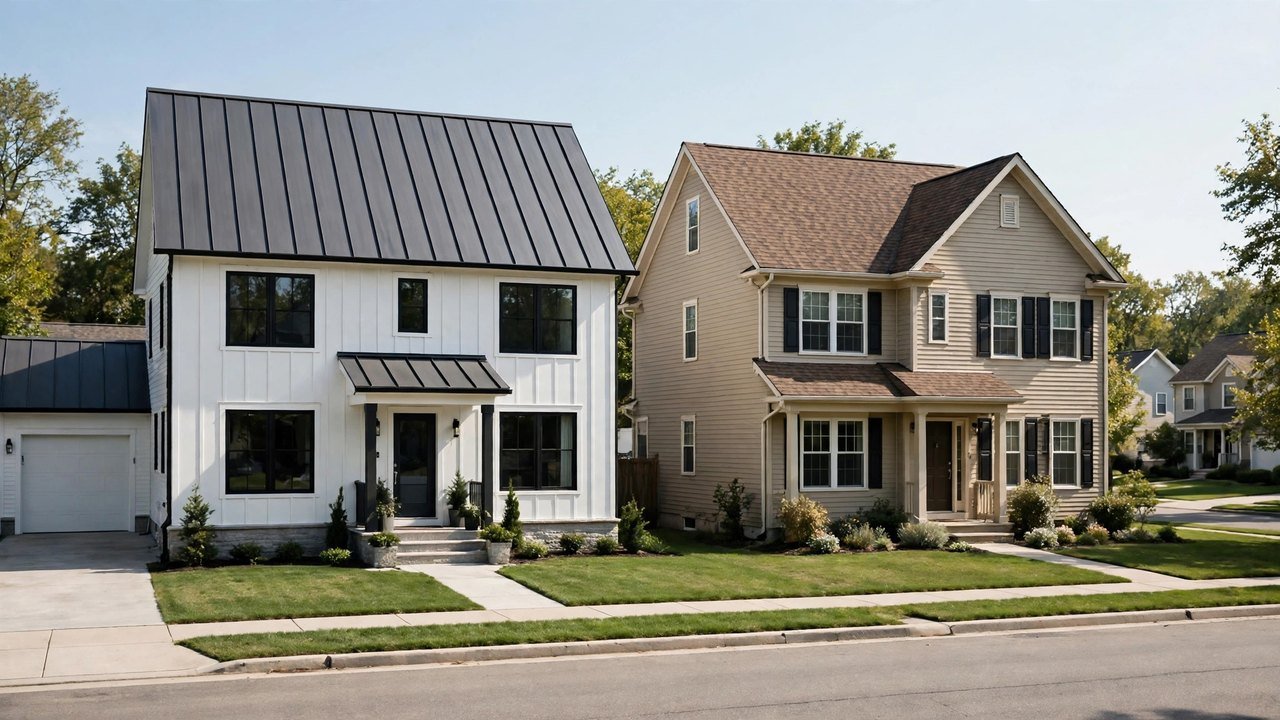
Choosing a new roof often comes down to two popular options. The metal roof vs shingle roof cost debate is really about upfront price versus long-term value. Shingles cost less today. Metal usually costs less over its full life.
In 2026, a shingle roof for a typical home costs about $7,500 to $19,000 installed. A metal roof for the same home often costs $13,500 to $35,000 or more. That gap makes many owners pause, even if they like the look and life of metal.
This guide compares both options side by side. You will see price, lifespan, upkeep, energy, and resale factors. By the end, you can decide which roof fits your budget and how long you plan to stay in your home.
Prices vary by state and city, so always get 2 to 3 local quotes before you decide.
Metal Roof vs Shingle Roof Cost at a Glance
Start with the headline numbers. These ranges cover most single-family homes in the United States in 2026.
| Factor | Asphalt Shingle Roof | Metal Roof |
|---|---|---|
| Average installed cost | $9,500 – $16,000 | $16,000 – $32,000 |
| Cost per sq. ft. installed | $4.50 – $10.50 | $9.00 – $18.00 |
| Typical lifespan | 20 – 35 years | 40 – 70 years |
| Maintenance level | Moderate | Low |
| Best for | Lower upfront budget | Long-term ownership |
Shingles win on first cost by a wide margin. For many families, that lower price is the deciding factor, especially if cash is tight or a sale is planned in the next few years.
Metal wins on lifespan. One metal roof can outlast two shingle roofs. When you divide the price by years of service, the yearly cost is often very close, and sometimes lower for metal.
What Affects the Metal Roof vs Shingle Roof Cost?
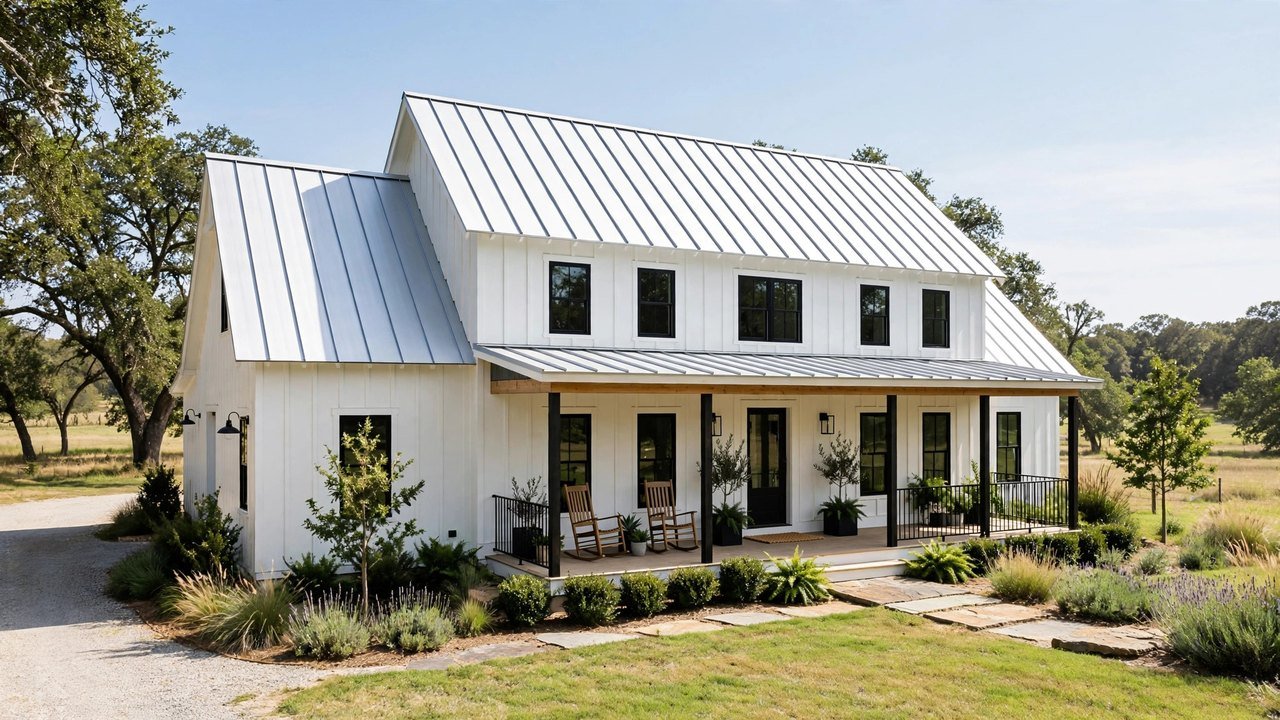
The price gap is not just about the top material. Install time, roof design, and local labor all shape the final bill for both types.
Metal takes more skill to install. Panels must be measured, cut, and fastened with care so they expand and contract without leaking. Standing seam systems, the most popular premium style, need trained crews and cost the most in labor.
Shingles install faster. Most crews can finish a shingle roof in 1 to 3 days. A metal roof on the same home may take 3 to 7 days. More days means more labor cost.
Roof pitch and complexity affect both, but metal is hit harder. Every valley, dormer, and angle needs custom flashing and trim pieces for metal. Those pieces add material cost and time.
Weight and structure play a role too. Shingles and metal are both fairly light compared to tile. Still, an older home may need a quick structural check before any new roof, and that check is wise for either choice.
Regional demand also matters. Where metal is popular, more crews compete and prices soften.
Metal Roof vs Shingle Roof Cost Breakdown by Type
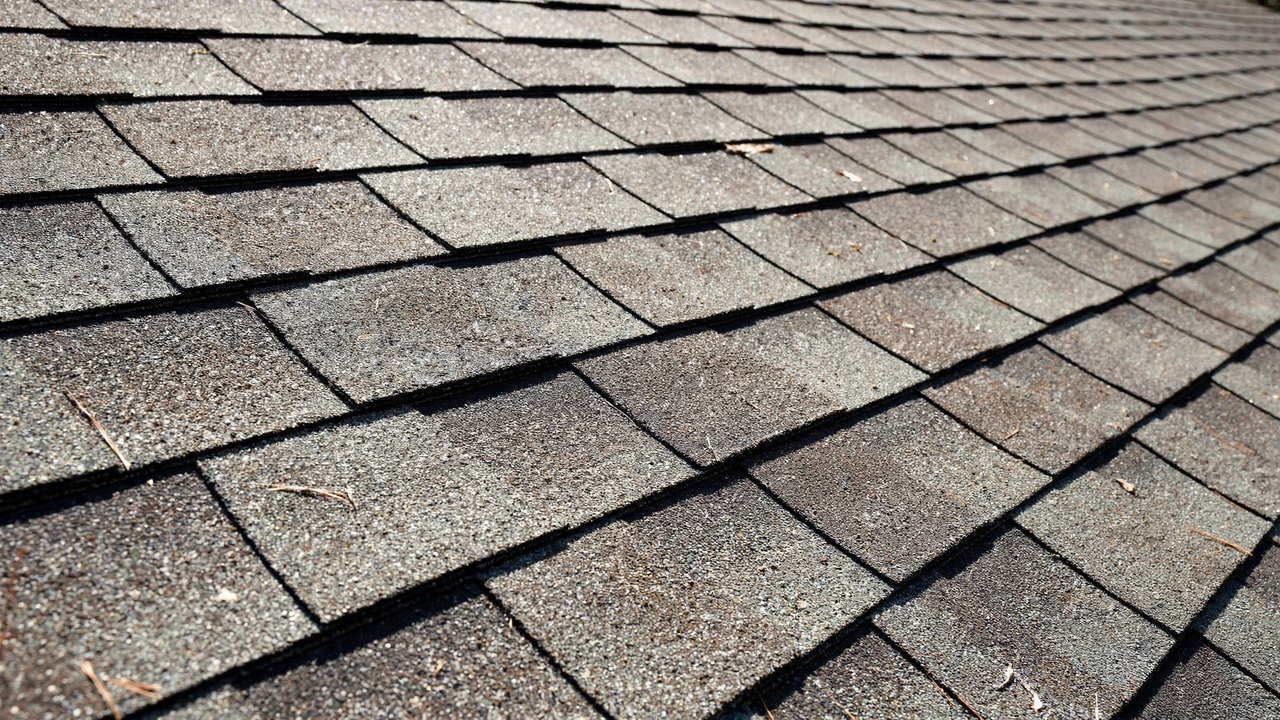
Not all shingle roofs cost the same, and not all metal roofs cost the same. Style and grade change the price a lot.
Basic 3-tab shingles are the cheapest option at about $4.50 to $6.50 per square foot installed. They are thinner and have the shortest life, often 20 to 25 years. Many owners now skip them in favor of a better grade.
Architectural shingles cost about $5.50 to $10.50 per square foot installed. They are thicker, look better, and last 25 to 35 years. This is the most common choice for homeowners today.
For metal, corrugated panels are the entry option at about $9.00 to $13.00 per square foot installed. They work well for many homes, barns, and cabins. Exposed fasteners keep the price lower but need checks over time.
Standing seam metal is the premium home option at about $13.00 to $18.00 or more per square foot installed. Fasteners are hidden, the look is clean, and the system handles weather very well. It also has the longest service life in this group.
Metal Roof vs Shingle Roof: Lifespan, Upkeep, and Value
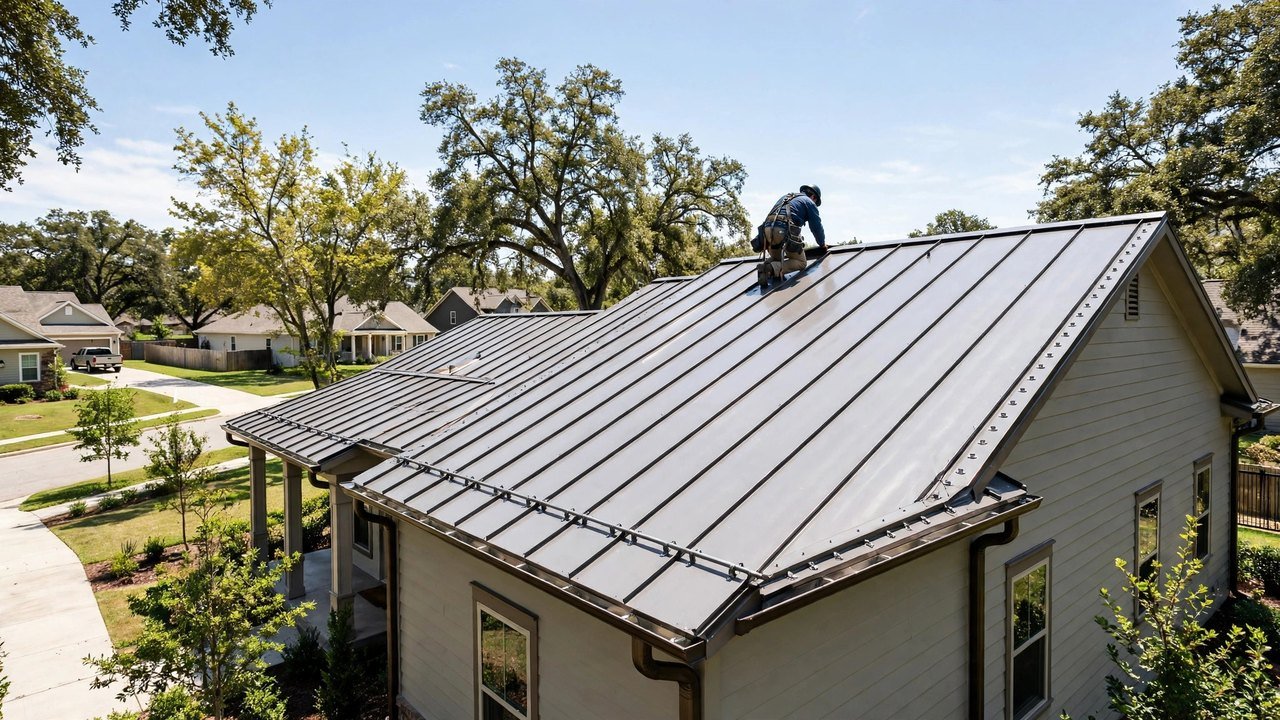
This is where the metal roof vs shingle roof cost choice gets clearer. Think in decades, not just in today’s quote.
A shingle roof needs more attention. You should check for lifted, cracked, or missing shingles after big storms. Moss and algae can grow in damp, shaded areas and shorten shingle life. Budget for small repairs over the years.
A metal roof needs less routine care. There are no granules to lose and no shingles to blow off one by one. You mainly check fasteners on exposed systems, clear debris from valleys, and keep gutters clean. That low upkeep saves time and repair money.
Energy is another factor. Light-colored metal reflects more sun and can lower cooling costs in hot climates. Modern shingles with reflective granules help too, but metal usually has the edge in very sunny areas. Savings vary by home, insulation, and attic venting.
Resale and insurance can tilt the math. Some buyers value a newer metal roof highly because they will not need to replace it soon. Some insurers offer a small discount for metal in wind or fire-prone areas, while others price by age and condition. Ask your insurer before you decide.
If you plan to stay 20 years or more, metal often pays back through longer life and lower upkeep. If you plan to move in 5 to 10 years, shingles often make more financial sense.
How to Save Money on Metal Roof vs Shingle Roof Cost
Whichever material you pick, these steps keep the price in check without hurting quality.
- Get 3 quotes for the same material and scope so the comparison is honest.
- If you like metal, price both corrugated and standing seam to see the real gap.
- If you like shingles, choose architectural grade over basic 3-tab for better life per dollar.
- Schedule work in the local off-season when crews have open slots.
- Ask about manufacturer rebates, tax credits for energy-rated products, and seasonal deals.
- Keep your current deck and ventilation if they are in good shape, after a proper inspection.
- Avoid paying in full upfront; use a clear payment schedule tied to job stages.
Do not save money by hiring an unlicensed crew for metal. Poor metal install causes leaks that are costly to fix.
Financing Options for Your New Roof
Because metal costs more upfront, financing is common for that choice. Home equity loans tend to offer the lowest rates for a large project. Personal loans are faster and can suit a smaller shingle job. Roofer plans sometimes include a short interest-free window.
Compare total financing cost, not just the monthly amount. If storm damage is involved, insurance may cover part of a like-kind replacement; upgrading to metal is usually an out-of-pocket difference.
Questions to Ask Before You Hire a Roofer
Ask questions that reveal experience with your chosen material. A great shingle crew is not always a great metal crew.
How many roofs of this type have you installed in the past year? Ask for local addresses you can drive by. Recent work in your area is a strong sign.
What exact products will you use? Get the brand, style, and thickness in writing for metal, and the shingle line and warranty grade for shingles. Substitutions should need your approval.
How will you handle flashing, valleys, and ventilation? These details decide whether any roof leaks. The answer should be specific, not vague.
What warranties do I receive? Confirm both the manufacturer warranty and the workmanship warranty, with lengths and terms in the contract. Ask what maintenance you must do to keep them valid.
Frequently Asked Questions
Is a metal roof worth the extra cost over shingles?
For owners who plan to stay 20 years or more, metal is often worth it due to its 40 to 70 year life and low upkeep. For short stays, shingles usually offer better value. Divide cost by expected years to compare fairly.
How much cheaper are shingles than metal in 2026?
Shingles are often 40 to 60 percent cheaper upfront. A typical shingle roof may cost $9,500 to $16,000 while a similar metal roof costs $16,000 to $32,000. Exact gaps depend on style and area.
Do metal roofs make a house hotter or louder?
No, a well-installed metal roof with solid underlayment and attic insulation is not notably louder in rain. Light colors reflect heat and can help cooling. Noise and heat depend more on attic build than on the top layer alone.
Can I put metal over old shingles?
Sometimes, yes, if code allows and the deck is sound. It saves tear-off cost but can hide deck issues. Many pros prefer a full tear-off so they can inspect and fix the deck first.
Which roof is better in high wind and storms?
Both can perform well when rated and installed correctly. Metal systems often have strong wind ratings and interlocking seams. Quality architectural shingles also carry high wind ratings with proper nailing and sealing.
How long does each roof type take to install?
A shingle roof usually takes 1 to 3 days for a typical home. A metal roof usually takes 3 to 7 days due to custom cutting and trim work. Weather and complexity can extend both timelines.
Does a metal roof increase home value?
A newer roof of either type helps a sale. Metal can appeal to buyers who value long life and low upkeep, especially if the roof is recent. The boost varies by market, so do not count on recovering the full upgrade cost at sale.
Conclusion
The metal roof vs shingle roof cost choice is a trade between price today and value over time. Shingles cost far less upfront and suit tight budgets and shorter stays. Metal costs more now but lasts decades longer with less upkeep, which lowers its cost per year.
Look at your plans honestly. If this is your long-term home, price a metal roof vs shingle roof cost comparison from the same roofers and weigh lifespan, energy, and maintenance. If you may move soon, a quality architectural shingle roof is often the smarter spend.
Get detailed local quotes for both options, check warranties, and choose the crew with proven skill in that material. With clear numbers, you can pick the roof that protects your home and fits your budget without regret.