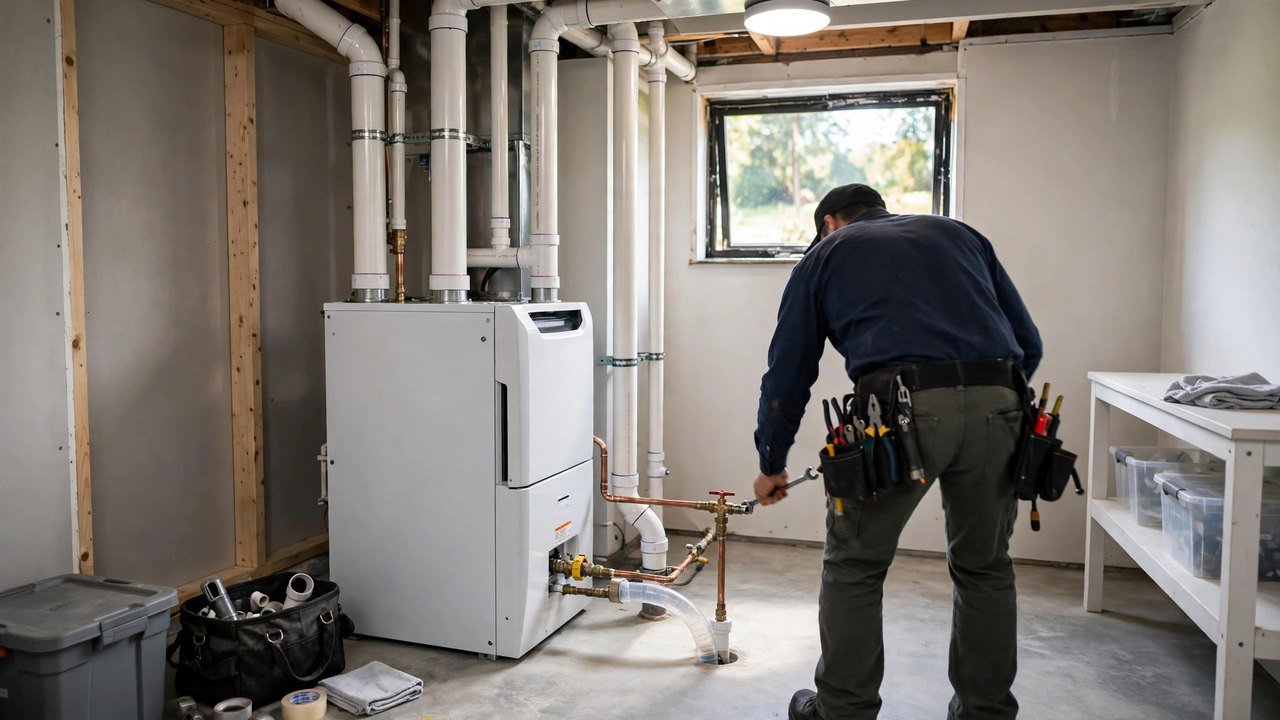
If your furnace is blowing cold air or making loud noises, you are probably wondering about furnace replacement cost. For most homes in the USA, a full replacement in 2026 costs between $3,000 and $7,500 installed. The final price depends on the fuel type, home size, and efficiency you choose.
A new furnace is a big purchase, but it is also a long-term one. A good system can last 15 to 20 years and can lower your monthly heating bills. That is why it helps to understand the price before you talk to a contractor.
This guide breaks down the average price by fuel type and size. It also covers what drives the cost up or down, how to compare repair versus replacement, and simple ways to save money without cutting corners.
Prices vary by state and city, and labor rates can change a lot by region, so get 2-3 local quotes before you decide.
Furnace Replacement Cost: Quick Summary
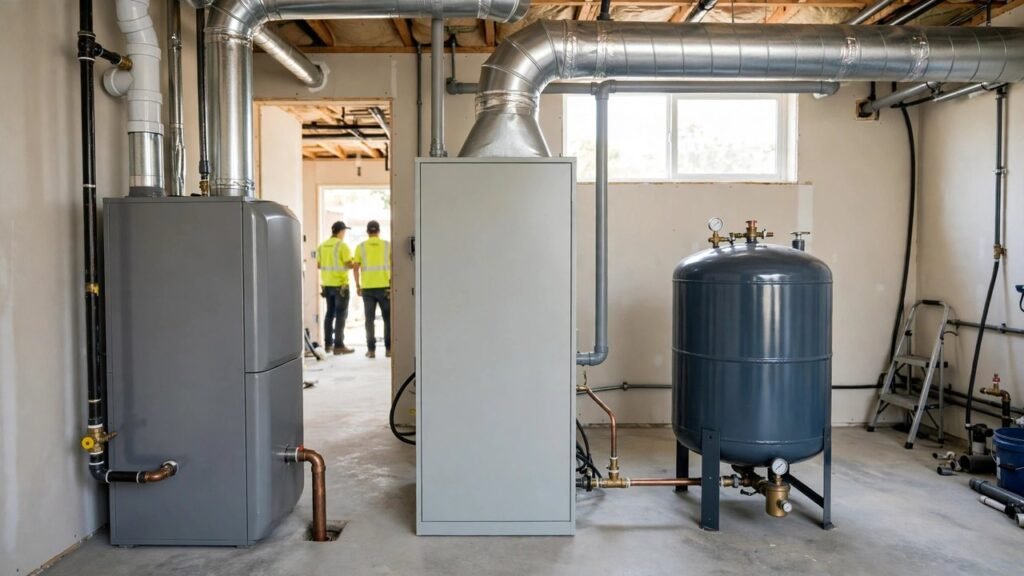
Most homeowners pay around $4,500 to $5,500 for a standard gas furnace replacement. Electric models usually cost less upfront. Oil furnaces usually cost more because the equipment and setup are more complex.
Here is a quick look at typical installed prices in 2026:
| Furnace Type | Average Installed Cost | Low – High Range |
|---|---|---|
| Electric furnace | $2,500 | $1,800 – $4,500 |
| Natural gas furnace | $4,800 | $3,200 – $7,500 |
| Propane furnace | $5,200 | $3,500 – $8,000 |
| Oil furnace | $6,000 | $4,500 – $9,000 |
| High-efficiency gas (95%+ AFUE) | $6,200 | $4,800 – $10,000 |
Home size matters too. A small home of 1,000 to 1,400 square feet may need a 60,000 BTU unit. A larger home of 2,000 to 2,500 square feet often needs 90,000 to 110,000 BTU. Bigger units cost more for both equipment and labor.
Keep in mind that these ranges include the unit, basic installation, and removal of the old system. Extra ductwork, a new thermostat, or permit fees can add to the total.
What Affects the Furnace Replacement Cost
Several factors shape your furnace replacement cost more than anything else. Fuel type is the first one. Gas is the most common choice in the USA because natural gas is widely available and cheap to run. Electric is simple and safe but can cost more to operate in cold states. Oil is less common now and is mainly found in the Northeast.
Efficiency is the second big factor. AFUE measures how much fuel becomes heat. A standard unit is around 80% AFUE. A high-efficiency unit is 95% AFUE or higher. The high-efficiency model costs more upfront but can save money each winter, especially if you heat for five or six months a year.
Home size and layout also matter. A larger home needs a larger furnace. A home with poor insulation or old ductwork may need extra work. If ducts leak or are the wrong size, your new furnace will not work as well, no matter how good it is.
Labor, permits, and location add to the price. Cities with higher labor rates will charge more. Some areas require permits and inspections that add $100 to $400. Removing and disposing of an old oil tank or old unit can add extra fees as well.
Furnace Replacement Cost Breakdown by Type and Component
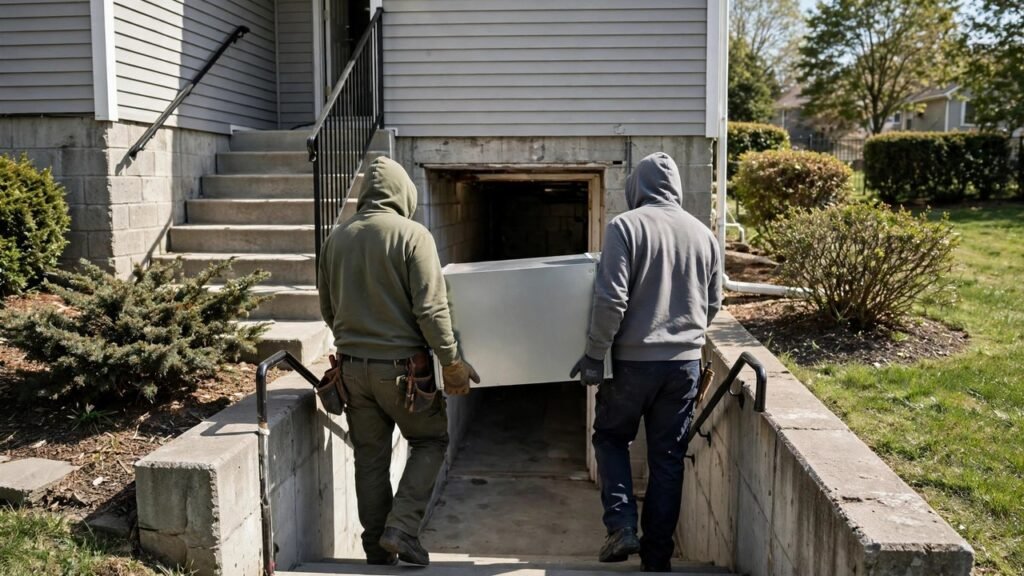
Looking at the furnace replacement cost by parts helps you see where your money goes. The unit itself is only part of the bill.
The furnace unit usually makes up 50% to 60% of the total. For a mid-range gas model, that can be $1,800 to $3,500. A basic electric unit may be $1,000 to $2,000. A high-efficiency or oil unit can be $3,000 to $5,000 for equipment alone.
Labor is the next largest cost, often $1,000 to $2,500. Installation takes half a day to a full day for a simple swap. It takes longer if the crew must change gas lines, venting, or electrical work.
Other costs are smaller but they add up. A new programmable or smart thermostat can cost $150 to $350 installed. New venting or a flue liner can cost $300 to $900. Duct changes can cost $500 to $2,000 depending on how much work is needed.
Permits, disposal, and miscellaneous parts often add $200 to $600. Ask for an itemized quote so you can see each line. That makes it easier to compare bids and spot charges you do not understand.
Furnace Repair vs. Full Replacement: Which Costs Less?
A repair almost always costs less today, but it may not save money over time. A minor repair, like a new ignitor or blower motor, can cost $200 to $800. A major repair, like a cracked heat exchanger, can cost $1,500 or more and may not be safe to repair at all.
Use the age rule as a simple guide. If your furnace is under 10 years old and the repair is under $500, repair often makes sense. If it is over 15 years old and the repair is over $1,000, replacement is usually the smarter choice.
Think about bills and comfort too. An old, low-efficiency furnace wastes fuel every month. It may also heat rooms unevenly and run loudly. A new model can cut heating costs, improve comfort, and come with a fresh warranty of 10 years or more on parts.
How to Save Money on Furnace Replacement
You do not need to pick the cheapest bid to save money. Smart choices before and during the job can lower the total a lot.
- Get at least three written quotes and compare them line by line, not just by total price.
- Replace in spring or fall when contractors are less busy and may offer seasonal deals.
- Choose the right size. An oversized furnace costs more and cycles on and off too often.
- Look for utility rebates for high-efficiency models. Many gas and electric companies offer $200 to $1,000 back.
- Check for federal tax credits for qualifying high-efficiency equipment and keep all paperwork.
- Keep your current ductwork if it is in good shape, and seal leaks instead of replacing it all.
- Ask about package pricing if you also need a new air conditioner soon.
- Maintain the new furnace yearly so it lasts longer and keeps its efficiency.
A small amount of research can save hundreds of dollars. It can also help you avoid a rushed choice in the middle of winter.
Financing Options for a New Furnace
Many homeowners do not pay the full cost in cash, and there are several ways to spread it out. Many HVAC companies offer payment plans, sometimes with low or zero interest for 12 to 24 months for qualified buyers. Read the terms closely so you know what happens after the promo period ends.
A home equity line of credit can offer lower rates for larger jobs, but it uses your home as collateral. A personal loan is another option and does not use your home, though rates may be higher. Credit cards should be a last choice unless you have a zero-interest offer and a clear payoff plan.
Some states and utilities offer low-interest energy loans for efficient heating upgrades. These programs can be a good fit if you choose a high-efficiency gas or electric model. Ask each contractor what financing they accept before you sign.
Questions to Ask Before You Hire a Furnace Contractor
The right contractor matters as much as the right furnace. Ask if they are licensed and insured in your state, and ask for proof. Ask how long they have installed furnaces in homes like yours.
Ask for a load calculation, not just a guess based on the old unit. A proper calculation looks at home size, insulation, and windows. Ask what AFUE options they recommend and why.
Ask what is included in the price: permits, disposal, thermostat, and warranty paperwork. Ask how long the labor warranty lasts, separate from the factory parts warranty. Finally, ask for the quote in writing with a clear start date and payment schedule.
Frequently Asked Questions
How much does furnace replacement cost on average in 2026?
Most homeowners pay $3,000 to $7,500 installed. The average for a standard gas furnace is around $4,500 to $5,500, depending on size and efficiency.
Which is cheaper, a gas or electric furnace?
An electric furnace is cheaper to buy and install. A gas furnace often costs less to run in cold climates, so it can be cheaper over the life of the system.
How long does a new furnace last?
A well-maintained furnace usually lasts 15 to 20 years. Yearly service, clean filters, and proper sizing help it reach the high end of that range.
How long does it take to replace a furnace?
A simple replacement usually takes 4 to 8 hours and is done in one day. Jobs that need new ductwork, gas lines, or venting can take two days.
Should I replace my furnace and AC at the same time?
It can save money on labor if both are old. Matched systems also work better together. If your AC is still young, you do not need to replace it.
What size furnace do I need for my home?
It depends on square footage, insulation, and climate. Most homes need 30 to 60 BTU per square foot. A contractor should do a load calculation to size it right.
Are there rebates for a new high-efficiency furnace?
Yes, many utilities offer rebates, and some federal tax credits apply to qualifying models. Amounts vary by area, so check with your utility before you buy.
Conclusion
Understanding furnace replacement cost helps you plan with less stress. Most jobs fall between $3,000 and $7,500, with gas models in the middle, electric models lower upfront, and oil models higher. Size, efficiency, and labor explain most of the difference between quotes.
The best choice is not always the lowest price. A correctly sized, efficient furnace installed by a licensed contractor will heat better, last longer, and cost less to run. Compare the full breakdown, not just the headline number.
Take time to get local quotes, check rebates, and ask clear questions. With that work done, your furnace replacement cost will feel like a planned investment in comfort and safety, not a surprise expense in the middle of winter.