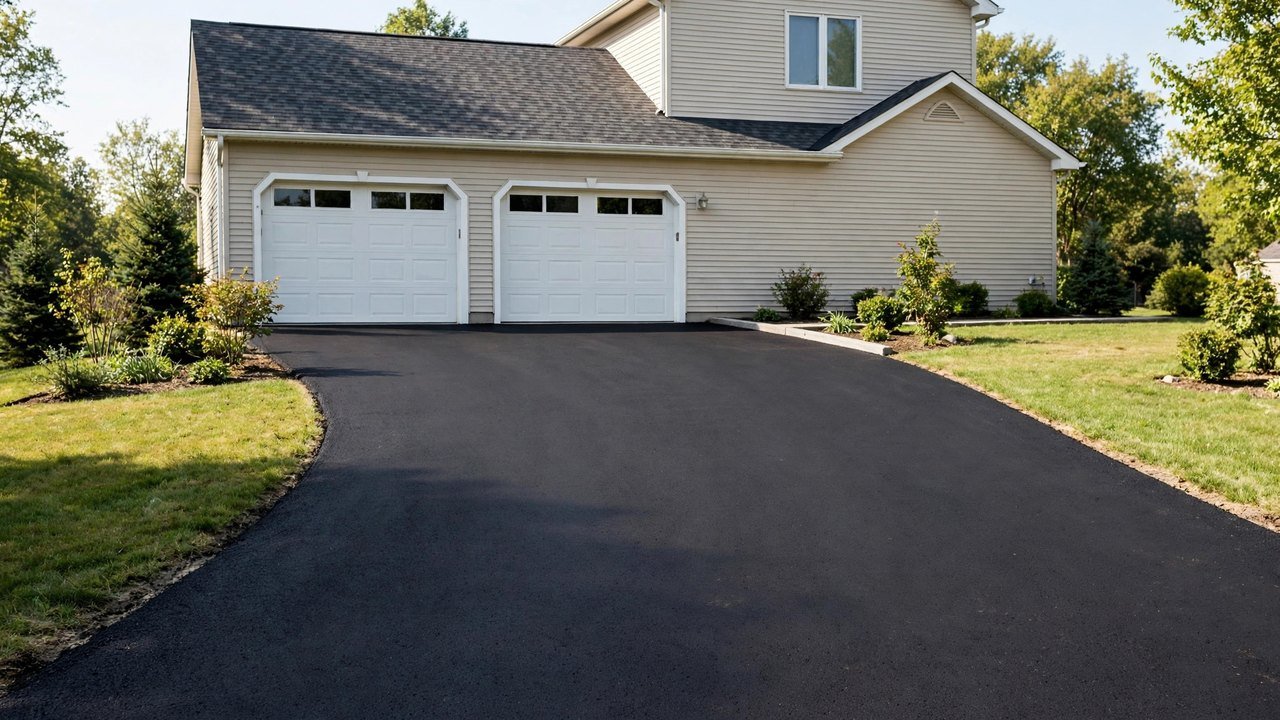
For most homes, driveway paving cost comes down to two choices: asphalt or concrete. In 2026, homeowners pay about $3 to $15 per square foot installed, depending on the material and the condition of the base. Asphalt costs less upfront, while concrete costs more but usually lasts longer.
Your driveway is one of the first things people see. It carries cars every day, handles rain and heat, and shapes the look of your front yard. A cracked or sinking driveway is also a trip hazard and can hurt curb appeal.
This guide explains average prices by size and material, the full cost breakdown, and a clear asphalt versus concrete comparison.
Driveway Paving Cost at a Glance
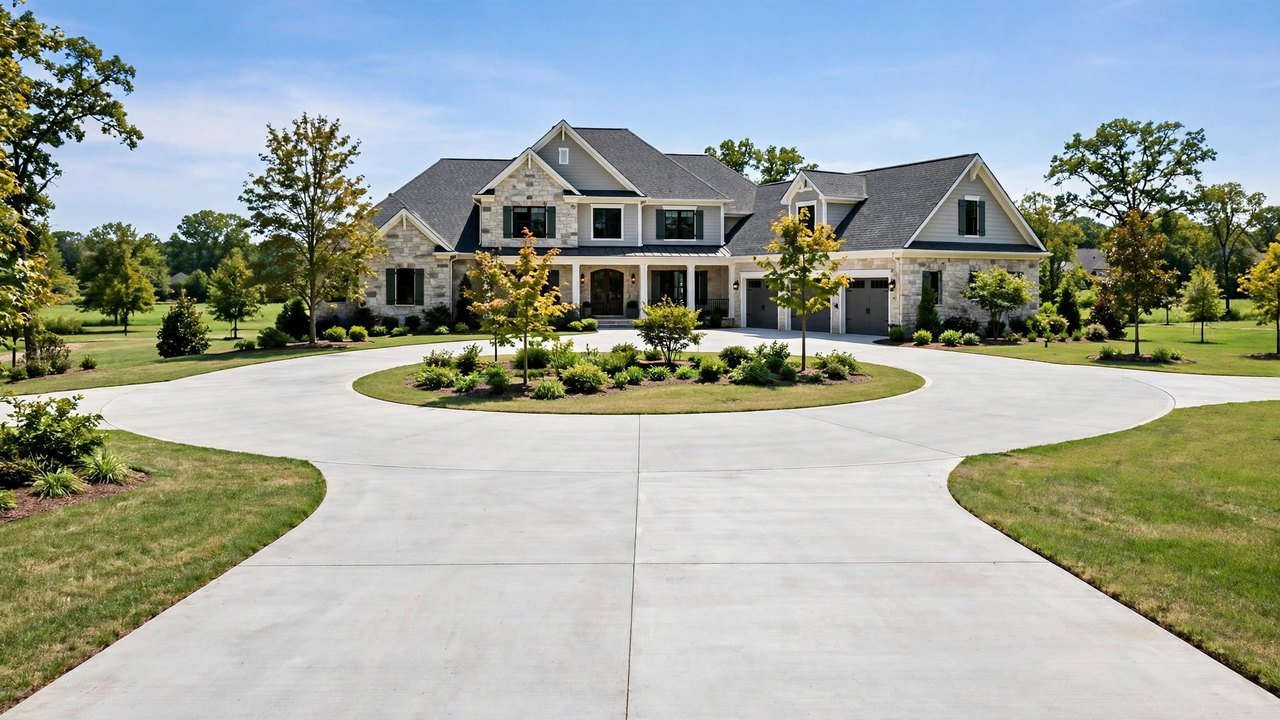
A standard two-car driveway is about 600 square feet, roughly 20 by 30 feet. Single-car driveways are often near 300 square feet. Total prices rise quickly with size, thickness, and base work.
Here is a quick summary of typical 2026 prices.
| Driveway Type | Cost Per Sq Ft Installed | Cost for 600 Sq Ft |
|---|---|---|
| Asphalt | $3 – $7 | $1,800 – $4,200 |
| Concrete | $6 – $12 | $3,600 – $7,200 |
| Gravel | $1 – $3 | $600 – $1,800 |
| Pavers | $10 – $15+ | $6,000 – $9,000+ |
| Resurfacing asphalt | $2 – $4 | $1,200 – $2,400 |
| Resurfacing concrete | $3 – $7 | $1,800 – $4,200 |
| Old driveway removal | $1 – $3 per sq ft extra | $600 – $1,800 extra |
These ranges assume a normal base in fair condition. If the old base has failed, or drainage must be fixed, expect the price to move toward the high end or above it.
Prices vary by state and city, and fuel, labor, and material costs differ by region, so get 2-3 local quotes before you sign a contract.
What Affects the Price of Driveway Paving Cost?
Your final driveway paving cost is shaped by more than the top surface. These are the factors contractors look at first.
Size and thickness set the base price. More square feet means more material and labor. Thicker paving lasts longer under heavy vehicles, but it uses more material, so it costs more per square foot.
Material choice changes both price and lifespan. Asphalt is cheaper to install and quicker to finish. Concrete costs more but resists heat softening and usually needs less frequent surface care.
The condition of the base is critical. A strong, well-drained base prevents cracks and sinking. If the crew must dig out soft soil, add gravel, and compact it in layers, labor and material costs rise.
Removal of the old driveway adds cost. Tearing out and hauling away old asphalt or concrete takes machines, trucks, and dump fees. Some quotes include it, and some list it as a separate line.
Slope and drainage can add work. Water should flow away from the house and garage. Regrading, adding a drain, or reshaping the surface to fix pooling water adds time but prevents future damage.
Shape and access matter. Long, curved, or steep driveways take more layout work. Tight access that blocks large trucks or machines can also slow the crew and raise labor cost.
Driveway Paving Cost Breakdown by Component
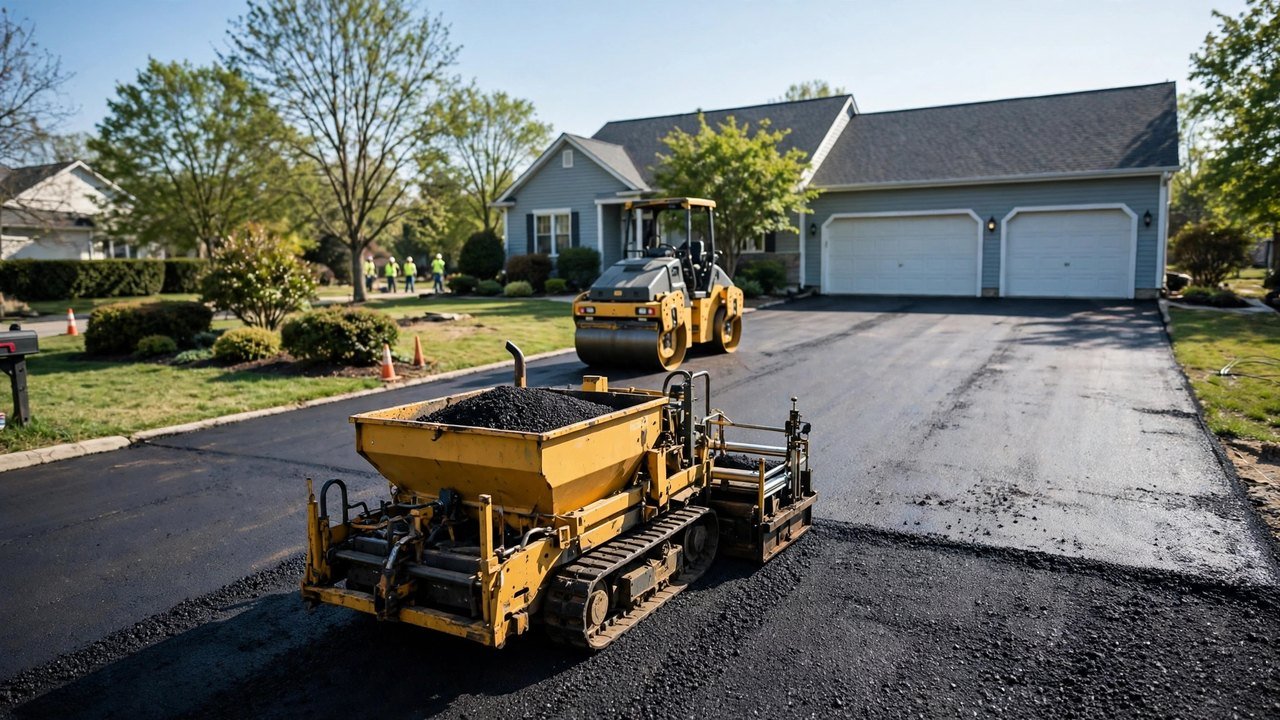
A clear breakdown helps you see why one quote is higher than another. Here is where the money usually goes.
Excavation and old surface removal: about 15% to 25% of the total. This covers digging to the right depth, hauling away the old surface, and disposing of it. Thick old concrete costs more to remove than thin asphalt.
Base preparation: about 20% to 30% of the total. The crew grades the soil, adds crushed stone, and compacts it well. This step decides how long the driveway will last, so it should never be skipped to save a little money.
Paving material: about 25% to 35% of the total. This is the asphalt or concrete itself, delivered and placed at the planned thickness. Concrete also needs forms, reinforcement in some cases, and control joints.
Labor and equipment: about 25% to 35% of the total. Skilled crews use pavers, rollers, screeds, and finishing tools. Good finishing and proper compaction are what separate a smooth, lasting job from a rough one.
If a quote is far below others, check the thickness and base work first. Thin paving over a weak base is the most common reason a cheap driveway fails early.
Driveway Paving Cost Comparison: Asphalt vs Concrete
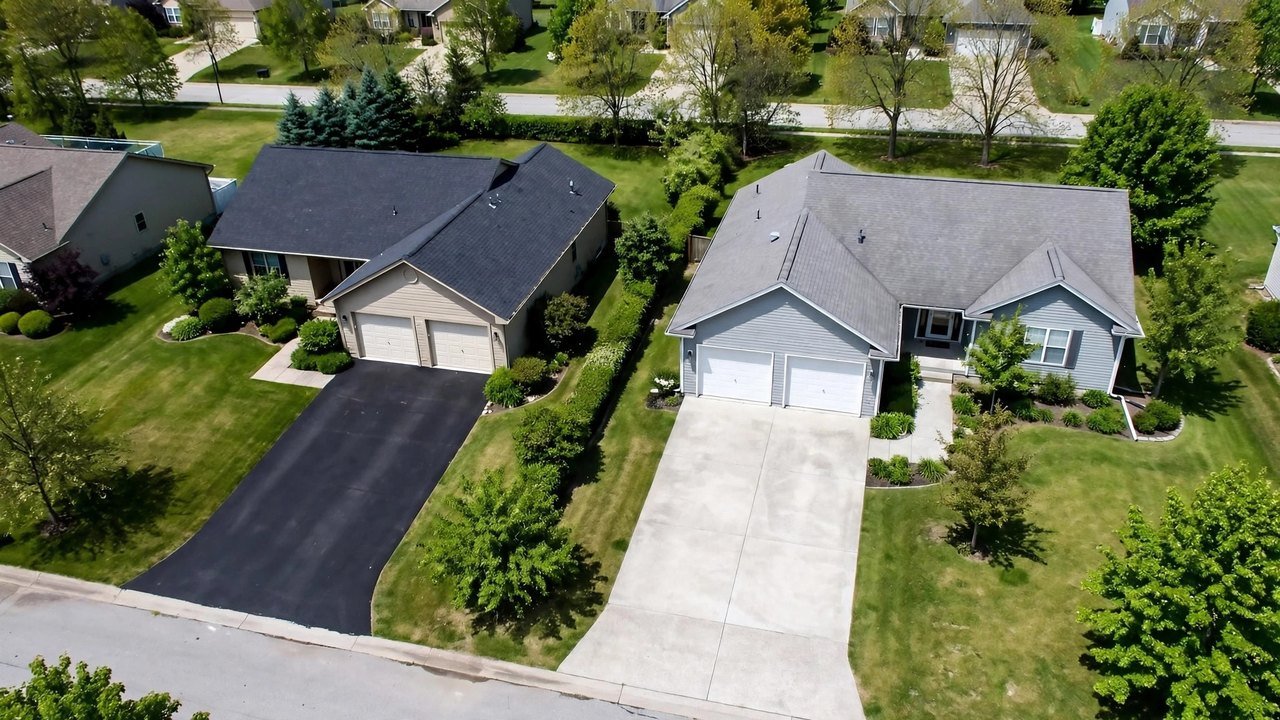
This is the main decision for most homeowners, so here is a direct comparison.
Upfront cost: Asphalt wins. At $3 to $7 per square foot, it can cost about half as much as concrete to install. That makes it popular for long driveways and tight budgets.
Lifespan: Concrete usually wins. A well-built concrete driveway can last 25 to 30 years or more. Asphalt often lasts 15 to 20 years, though good care can extend its life.
Maintenance: Asphalt needs sealcoating every few years, which adds ongoing cost but keeps it dark and protected. Concrete needs less routine care, mainly cleaning and occasional sealing, but repairs to cracked sections are harder to hide.
Climate fit: Asphalt can soften in extreme heat but handles freeze and thaw cycles with some flexibility. Concrete is strong in hot areas but can crack in cold climates if the base or joints are poor. Salt can also harm concrete surfaces over time.
Look and options: Concrete offers more design choices, including color, stamping, and exposed stone finishes. Asphalt has one basic look, a smooth black surface, though it pairs well with stone or paver borders.
In short, choose asphalt if upfront price matters most and you accept regular sealing. Choose concrete if you want a longer life, a lighter color, and more design options, and your budget allows it.
How to Save Money on Paving
You can control your driveway paving cost with these practical steps:
- Repair or resurface instead of replacing, if the base is still solid and damage is only on the surface.
- Keep a simple shape and standard width instead of curves and extra pads.
- Get quotes in the contractor’s slower season, when schedules are more open.
- Combine work with a neighbor, if both driveways need paving at the same time.
- Ask for the thickness and base depth in writing, so you pay for real quality, not extras you do not need.
- Fix drainage problems once, during paving, instead of paying for repairs later.
- Maintain the new surface on schedule, especially asphalt sealing, to delay full replacement.
- Compare at least three quotes line by line, and be careful with any bid that is far below the rest.
A solid base and correct thickness usually save the most money in the long run.
Financing Options
Driveway replacement is often unplanned, especially when cracks or sinking get worse fast. Financing can help spread the cost.
Many paving companies offer payment plans through third-party lenders for larger jobs. Review the interest rate and total repayment amount, not just the monthly payment.
A home equity loan or line of credit may suit homeowners who are doing several exterior projects at once, such as a driveway plus walkways. Rates can be lower, but your home secures the loan.
Questions to Ask Before You Hire
Ask these questions and get the answers in your written contract:
- What thickness will the asphalt or concrete be after compaction or finishing?
- How deep is the stone base, and how will it be compacted?
- Is removal and disposal of the old driveway included?
- How will you handle drainage and slope away from the house?
- How long before I can walk and drive on the new surface?
- What warranty do you offer on materials and workmanship?
- Are permits included, and who arranges inspections if needed?
Frequently Asked Questions
How much does it cost to pave a 600 sq ft driveway?
Asphalt usually costs $1,800 to $4,200 for 600 square feet, and concrete costs $3,600 to $7,200. Removal of an old driveway and base repairs can add $600 to $1,800 or more.
Is asphalt or concrete better for a driveway?
Neither is best for everyone. Asphalt is cheaper upfront and suits cold climates well, while concrete lasts longer and offers more design options. Your budget, climate, and upkeep preference should decide it.
How long does driveway paving take?
Most residential jobs take 1 to 3 days of active work. Asphalt can often be driven on within a few days, while concrete needs about a week of curing before cars use it. Weather can shift the schedule.
Can a new driveway be placed over the old one?
Sometimes, through resurfacing, if the old base is stable and the height still works at the garage and street. If the base has failed, full replacement is the safer and longer-lasting choice.
How often does asphalt need sealing?
Most asphalt driveways benefit from sealcoating every 2 to 3 years. Sealing protects against sun, water, and oil stains. Wait until the new surface has fully cured before the first seal.
Does a new driveway need a permit?
Rules vary by city and county. Replacing a driveway in the same size and place often needs no permit, but widening it or changing drainage may. Ask your contractor or local office before work starts.
Why is one paving quote much cheaper than the others?
It may use thinner material, a shallower base, or exclude removal and disposal. Compare thickness, base depth, and included work line by line. A very low bid often means less work under the surface.
Conclusion
Knowing your driveway paving cost before you call contractors puts you in control. In 2026, plan on $3 to $7 per square foot for asphalt and $6 to $12 for concrete, with size, thickness, and base condition deciding where you land in the range.
Spend your attention on what lies below the surface. A deep, well-compacted base and correct drainage protect your investment for years, no matter which material you choose. Written quotes that list thickness, base depth, and removal make fair comparison easy.
With the right material for your climate and budget, your driveway paving cost buys more than a smooth place to park. It buys safety, curb appeal, and a front entrance that stays solid through many seasons of daily use.