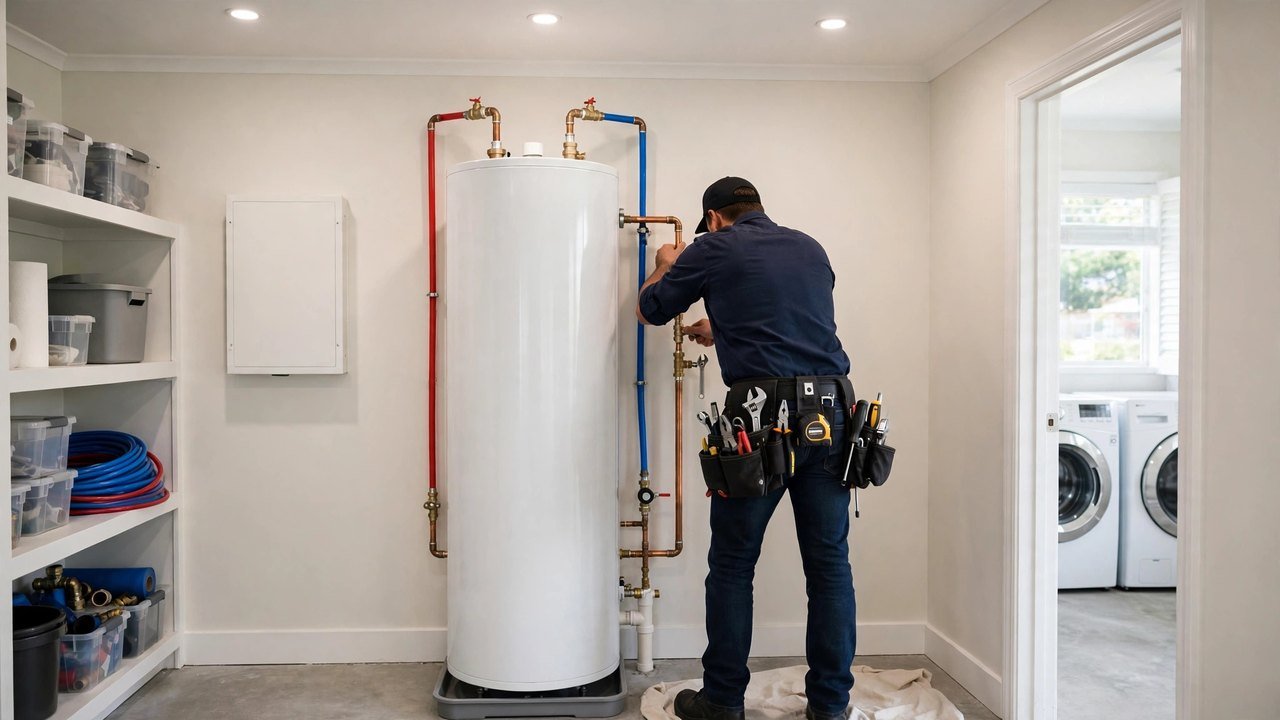
Cold showers and puddles around the tank are clear signs your water heater is near the end. When that day comes, water heater replacement cost becomes an urgent question for most homeowners.
The range is wide. A basic tank swap is a routine job with a modest price. A tankless upgrade with new gas or electrical work costs much more but can lower energy use and free up space.
This guide explains 2026 prices for both paths, what drives them, and how to choose. Prices vary by state and city, so always get 2-3 local quotes before you buy.
Planning ahead helps. Heaters usually last 8-12 years for tank models, so if yours is in that range, it is smart to know your options before it leaks.
Water Heater Replacement Cost: Quick Cost Summary
Most homeowners pay $1,000 to $2,500 for a standard tank replacement installed. Tankless systems cost more upfront. Here is the overview.
| Heater Type / Item | Average Cost | Low-High Range |
|---|---|---|
| Tank, 40-50 gallon, installed | $1,400 | $1,000 – $2,200 |
| Tank, high-efficiency, installed | $1,900 | $1,400 – $2,800 |
| Tankless gas, installed | $3,200 | $2,500 – $4,500 |
| Tankless electric, installed | $2,200 | $1,500 – $3,500 |
| Heat pump water heater, installed | $2,800 | $2,000 – $4,000 |
| Removal and disposal of old unit | $150 | $100 – $300 |
| Permit and inspection | $150 | $75 – $300 |
Like-for-like swaps are the cheapest because pipes, vents, and fuel lines stay in place. Switching type, size, or location adds labor and materials.
Emergency replacements on weekends or holidays can cost more. A planned replacement almost always gets a better price.
What Affects the Water Heater Replacement Cost?
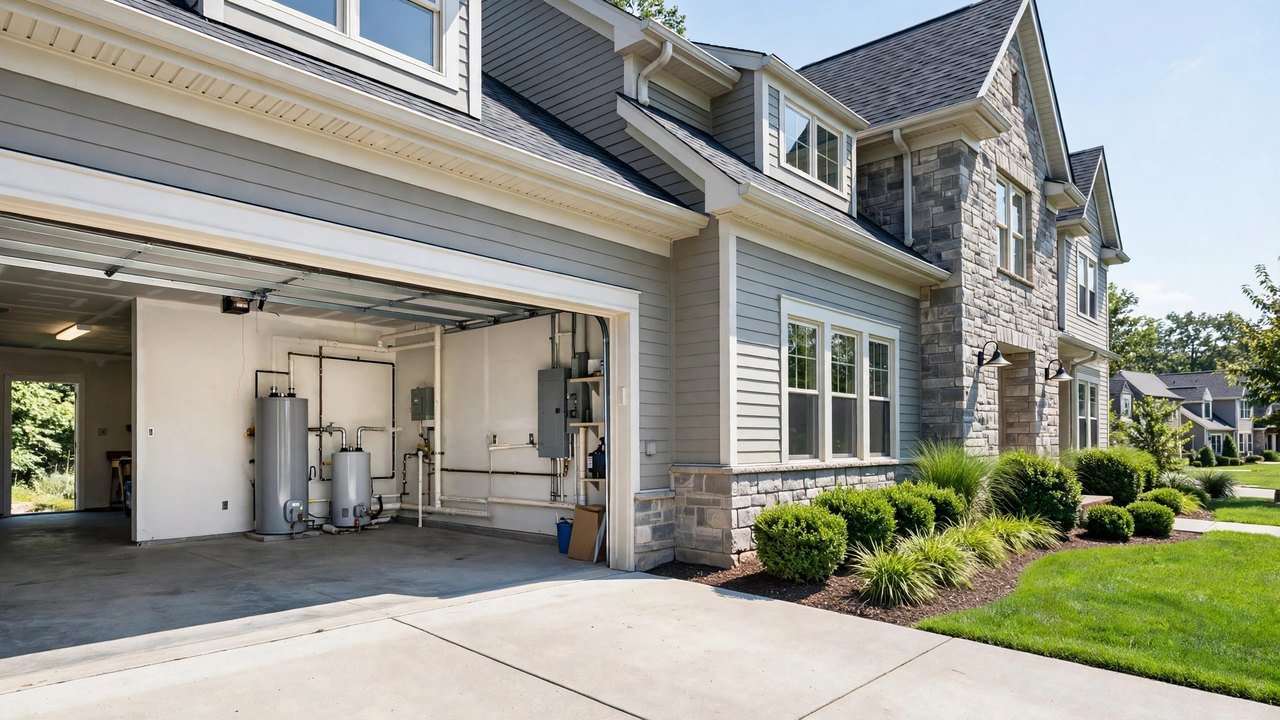
Type is the biggest factor. Tank heaters store hot water and cost less to buy and install. Tankless heaters heat water on demand and cost more upfront, with more complex venting and sizing.
Fuel type matters. Natural gas and propane units need proper venting and gas lines. Electric units are simpler but may need a panel upgrade if your home has limited capacity.
Size and capacity affect price. Larger tanks cost more. Tankless units are sized by flow rate, so a large home that runs showers and laundry at once needs a bigger, pricier model.
Efficiency adds upfront cost. Higher-efficiency models cost more to buy but use less energy each month. Over a long life, the savings can offset part of the premium.
Installation conditions are often the hidden factor. Tight closets, attic or crawl-space locations, old valves, and code updates for expansion tanks or drain pans all add labor.
Local codes and permits vary. Some areas require specific venting, seismic straps, or pan drains. Your plumber should include required updates in the quote, not surprise you later.
Water Heater Replacement Cost by Type and Component
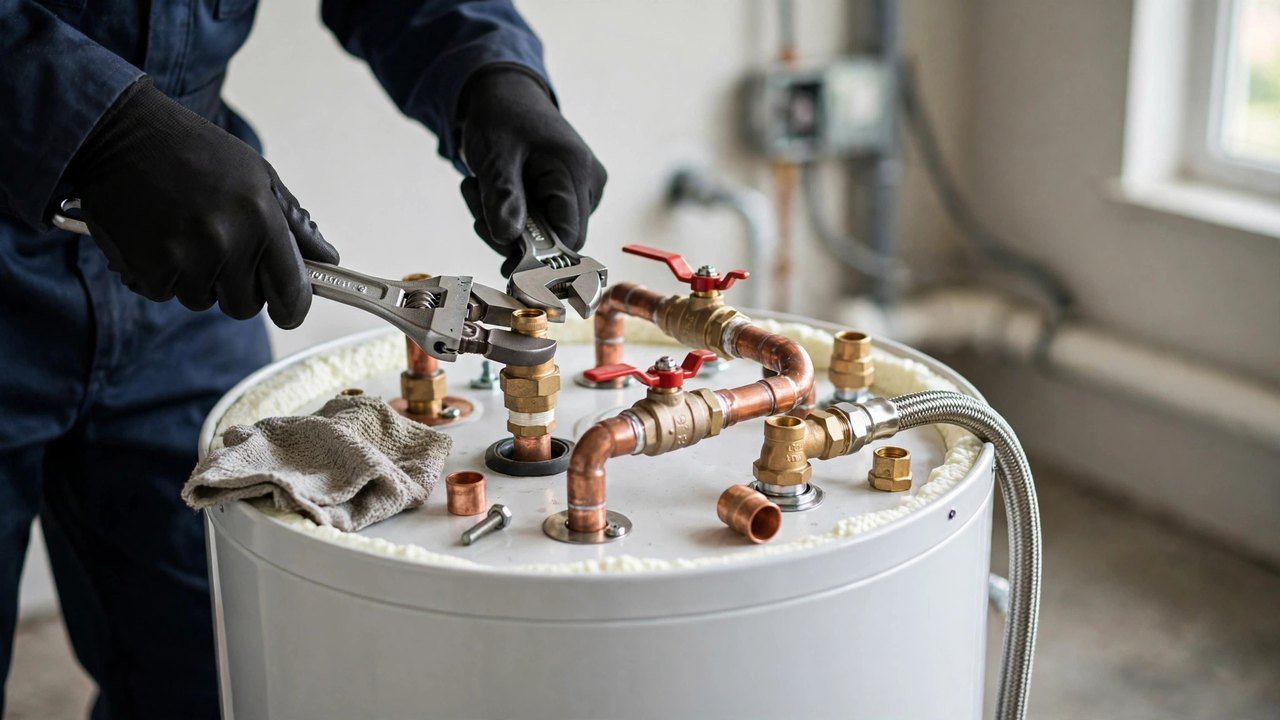
A standard tank unit itself costs about $500 to $1,200 for common sizes. Labor for a simple swap often runs $400 to $800. Together, that explains why most tank jobs land near $1,000 to $2,200.
Tankless units cost about $800 to $2,000 for the heater alone. Installation is more involved and often runs $1,000 to $2,500, especially when gas lines must be upsized or new venting and condensate drains are needed.
Heat pump water heaters cost about $1,200 to $2,500 for the unit. They use much less electricity than standard electric tanks but need more space and airflow. Labor is similar to a tank swap in many homes.
Extra parts add up. A new expansion tank costs $150 to $350 installed. Valves, pans, and pipe changes add $100 to $400. An electrical panel upgrade, when needed, can add $800 to $2,000 on its own.
Fuel costs differ over time. Gas models often cost less to run than standard electric models in many regions. Heat pump and tankless models can lower monthly costs further, depending on your rates and hot water use.
Disposal is usually a small line item. Most plumbers haul away the old unit for $100 to $300, and some include it in the total.
Water Heater Replacement Cost: Tank vs. Tankless Compared
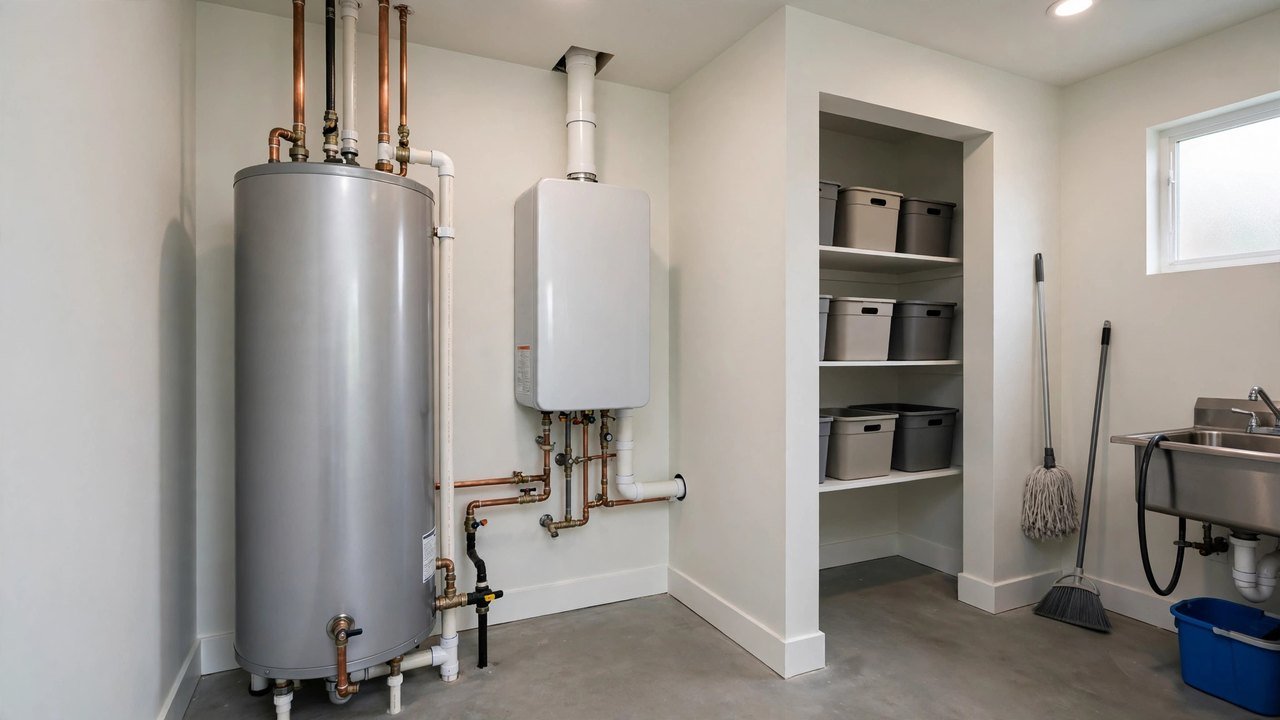
Tank heaters win on upfront price and simple installation. They are a proven choice and work well for most families. Their limits are standby heat loss and a finite supply: once the tank empties, you wait for more hot water.
Tankless heaters win on efficiency and endless supply. They heat only the water you use and can last around 20 years with proper maintenance. They also save floor space because they mount on a wall.
The trade-offs are real. Tankless units cost much more to install, need descaling in hard-water areas, and can struggle if many fixtures run at once in a large home unless sized correctly. Very cold incoming water also lowers their output.
For a tight budget or a home you may sell soon, a quality tank is often the smart buy. For a long-term home with high hot water use, tankless can make sense if the install cost is reasonable.
Ask your plumber to compare both options for your home with full install prices. The unit price alone never tells the whole story.
How to Save Money on Water Heater Replacement Cost
Small decisions before and during the job can lower your total.
- Get 2-3 quotes with the model, size, efficiency, and warranty listed in writing.
- Choose a like-for-like replacement when possible to avoid new piping, venting, or wiring.
- Replace the heater before it leaks so you can avoid emergency rates and water damage.
- Size correctly. An oversized unit costs more to buy and run.
- Ask about rebates for high-efficiency, heat pump, or tankless models from your utility or state.
- Check for tax incentives for qualifying efficient models, and keep your receipts and model details.
- Keep the expansion tank, pan, and valves in good shape so code fixes stay minor.
- Flush a tank heater yearly and descale a tankless unit as directed to extend its life.
Saving money should never mean skipping permits or safety devices. Those protect your home and your warranty.
Financing Options for Water Heater Replacement
A failed heater cannot wait, so financing is common. Many plumbing companies offer payment plans or work with home improvement lenders with quick approvals.
Credit cards work for standard tank jobs if you can pay the balance soon after. For larger tankless or heat pump installs, a small home improvement loan may cost less in interest over time.
Home equity lines of credit are another option for bigger projects, especially if you are combining the heater with other plumbing work. For a single heater, compare fees carefully so the loan does not cost more than it should.
Utility and manufacturer promotions appear from time to time on efficient models. These can include deferred interest or rebates. Read the terms fully before you sign.
If money is very tight, ask about a basic, code-compliant tank now and a planned efficiency upgrade later. Hot water is essential, and a safe basic unit beats delaying replacement of a leaking one.
Questions to Ask Before You Hire
A good plumber answers clearly and puts details in writing. Ask these questions first.
Are you licensed and insured for water heater work in my area? Will you pull the permit and schedule the inspection?
What size and type do you recommend for my home, and why? What is the recovery rate or flow rate, and will it meet our peak use?
Does the quote include the expansion tank, pan, valves, venting changes, and disposal? What code updates are required here?
What warranties cover the tank or unit, the parts, and your labor? Tank warranties often range from 6-12 years depending on the model.
How long will we be without hot water? Most swaps take 2-4 hours. Tankless conversions can take a full day. Confirm the timeline before work starts.
Frequently Asked Questions
How much does water heater replacement cost on average in 2026?
A standard tank replacement averages about $1,400 installed, with most jobs between $1,000 and $2,200. Tankless systems usually cost $2,500 to $4,500 installed.
How long does a water heater last?
Tank heaters last about 8-12 years. Tankless models can last around 20 years with regular maintenance. Heat pump models often last 10-15 years.
Is a tankless water heater worth the extra cost?
It can be for homes with high hot water use and long ownership plans. It costs more upfront but uses less energy and lasts longer. For low use, a tank is often better value.
What size water heater does my home need?
A 40-50 gallon tank suits most 2-4 person homes. Larger families may need 50-75 gallons. Tankless size depends on how many fixtures run at the same time.
Can I replace a water heater myself?
Some areas allow it, but gas, venting, and electrical work carry real risks, and permits are often required. Most homeowners should hire a licensed plumber.
Why does my quote include an expansion tank?
Many codes now require one. It absorbs pressure as water heats and protects your pipes and the tank. It is a small cost that prevents bigger problems.
What are signs I should replace my water heater soon?
Age over 10 years, rusty water, rumbling noises, slow heating, and leaks around the base are common signs. Plan a replacement before a full failure floods the area.
Conclusion
Water heater replacement cost in 2026 comes down to type, fuel, size, and how much install work your home needs. Tank models are the budget-friendly standard at $1,000 to $2,200, while tankless systems cost more upfront and reward you with efficiency and a longer life.
Neither choice is right for every home. Match the heater to your hot water use, your energy rates, and how long you plan to stay. A full installed quote, not just a unit price, shows the true difference.
Get 2-3 written quotes, ask about rebates, and replace an aging unit before it leaks. Done right, your water heater replacement cost buys years of reliable hot water with no surprises.