Tree removal cost depends mostly on the size of the tree and how hard it is to reach. In 2026, most homeowners pay $400 to $2,500 or more to remove one tree. Small trees are quick and affordable, while tall trees near homes need skilled crews, special gear, and much more time.
Removing a tree is not a job most owners should do alone. A falling trunk or heavy limb can damage roofs, fences, cars, and power lines. It can also cause serious injury in seconds.
This guide shows prices by tree size, what affects the total, and what services like stump grinding cost extra.
Tree Removal Cost at a Glance
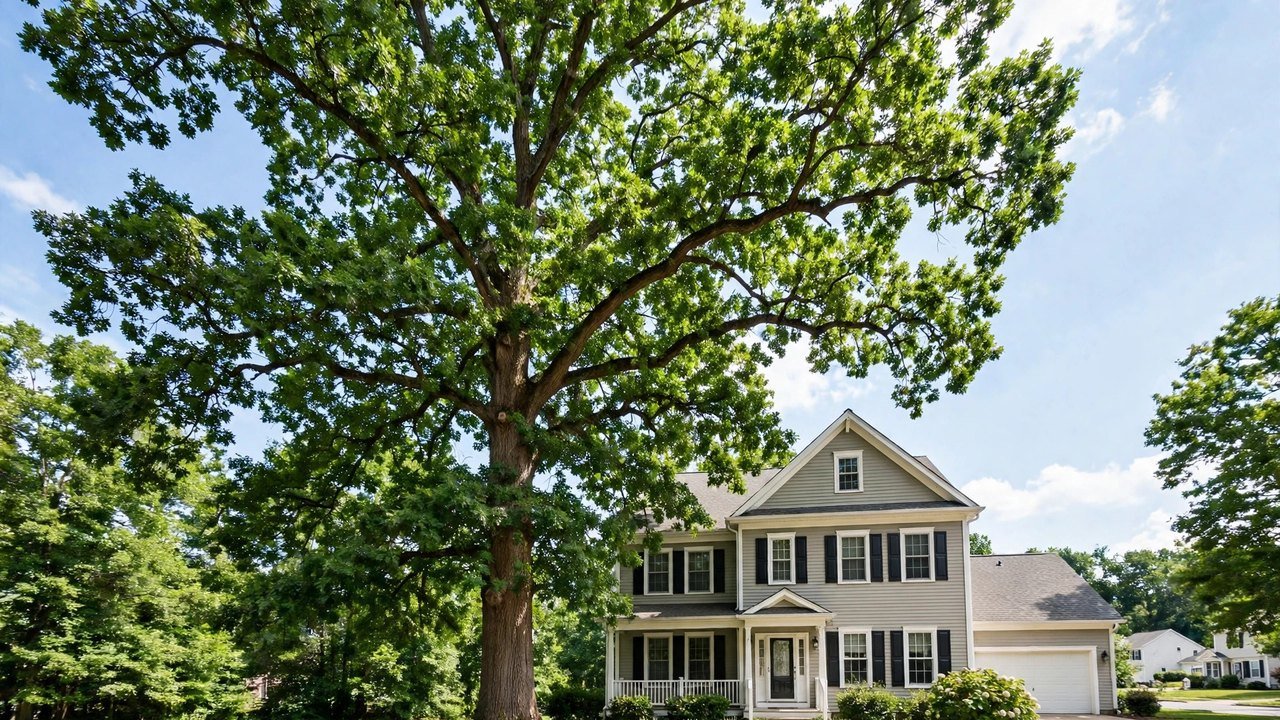
Height is the clearest guide to tree removal cost. Taller trees have thicker trunks, wider canopies, and heavier wood to cut, lower, and haul away.
Here is a quick summary of typical 2026 prices.
| Tree Size | Height Range | Average Removal Cost |
|---|---|---|
| Small tree | Under 30 ft | $400 – $800 |
| Medium tree | 30 – 60 ft | $800 – $1,500 |
| Large tree | 60 – 80 ft | $1,500 – $2,500 |
| Very large tree | Over 80 ft | $2,500 and up |
| Stump grinding | Per stump | $100 – $400 extra |
| Stump removal (full) | Per stump | $300 – $800 extra |
| Emergency removal | After storms | Often 25% – 50% more |
| Crane-assisted removal | Hard access jobs | $2,500 – $5,000+ possible |
These prices usually include cutting the tree down, cutting up the wood, and hauling debris away. Stump work is often quoted separately, so always ask.
Prices vary by state and city, and rates are higher in areas with higher labor costs, so get 2-3 local quotes from insured companies before you book the work.
What Affects the Price of Tree Removal Cost?
Two trees of the same height can have very different prices. Here is what tree companies look at during an estimate.
Height and trunk width come first. A tall tree with a thick trunk takes more cuts, heavier rigging, and larger trucks for hauling. Each added foot of height adds time and risk.
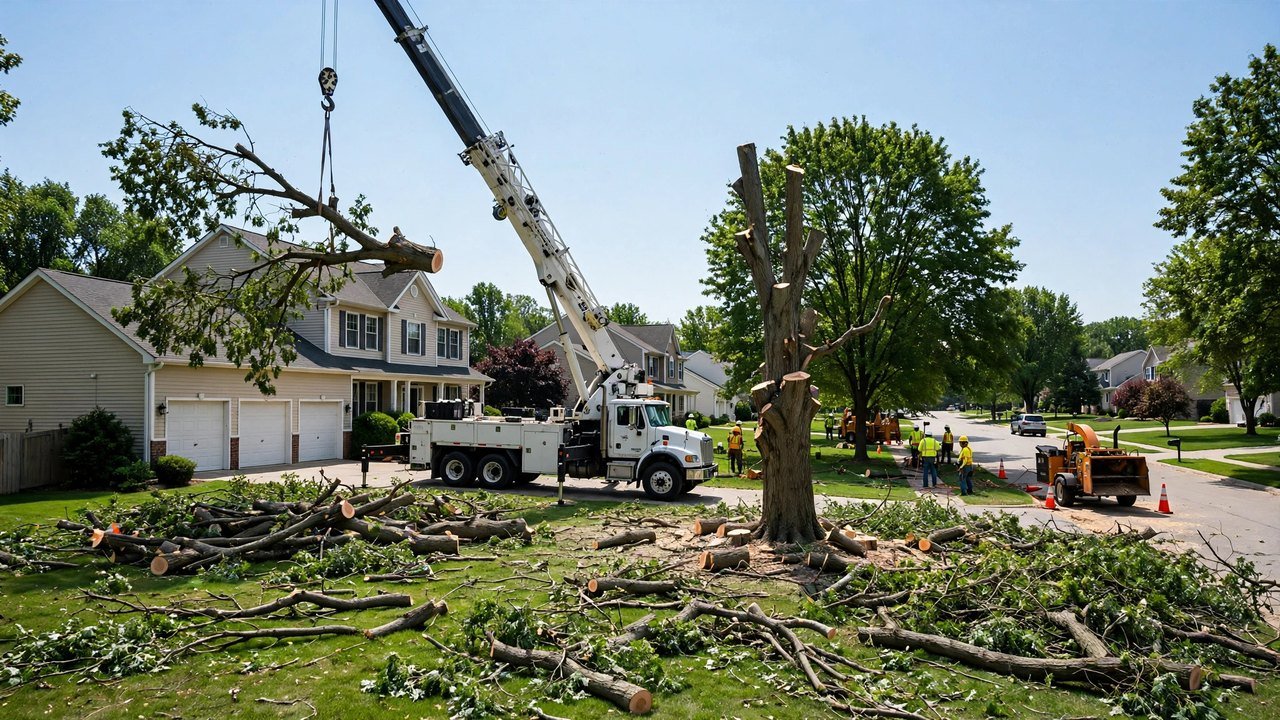
Location and access shape the whole job. A tree in an open yard can be felled in large sections. A tree over a house, pool, or power line must be taken down piece by piece, with each limb lowered by rope. That careful work costs more.
Tree health and condition matter. Dead trees can be brittle and unpredictable, which raises risk. Diseased or leaning trees may need extra support or a crane to remove them safely.
Extra services add to the bill. Stump grinding, log splitting, wood chipping, and full root removal are common add-ons. Decide what you need before the crew arrives, because bundle pricing is often better.
Emergency timing raises prices. After a storm, demand surges and crews work long hours in risky conditions. If a tree has already fallen on a structure, removal is more complex and often costs more.
Tree Removal Cost Breakdown by Service

A detailed quote may list several services. Knowing each one helps you choose what to include and what to skip.
Cutting and lowering the tree: the main share of the price. Climbers or lift operators cut the canopy and trunk in sections. On tight sites, each piece is roped and lowered slowly to protect the property below.
Debris hauling and disposal: often 20% to 30% of the total. Branches are chipped and the trunk is cut into logs for removal. If you want to keep firewood, ask in advance, since it can sometimes lower the hauling portion.
Stump grinding: usually $100 to $400 per stump. A grinder chews the stump below ground level so you can plant grass over it. Cost depends on stump width and root spread.
Full stump and root removal: usually $300 to $800 or more. This digs out the stump and main roots. It costs more but is useful if you plan to build or plant a new tree in the same spot.
Crane service: a premium add-on for hard jobs. A crane lifts large sections clear of roofs and yards. It adds significant cost but can be the safest and fastest option for very large or badly placed trees.
Tree Removal Cost by Size: Small vs Medium vs Large Trees
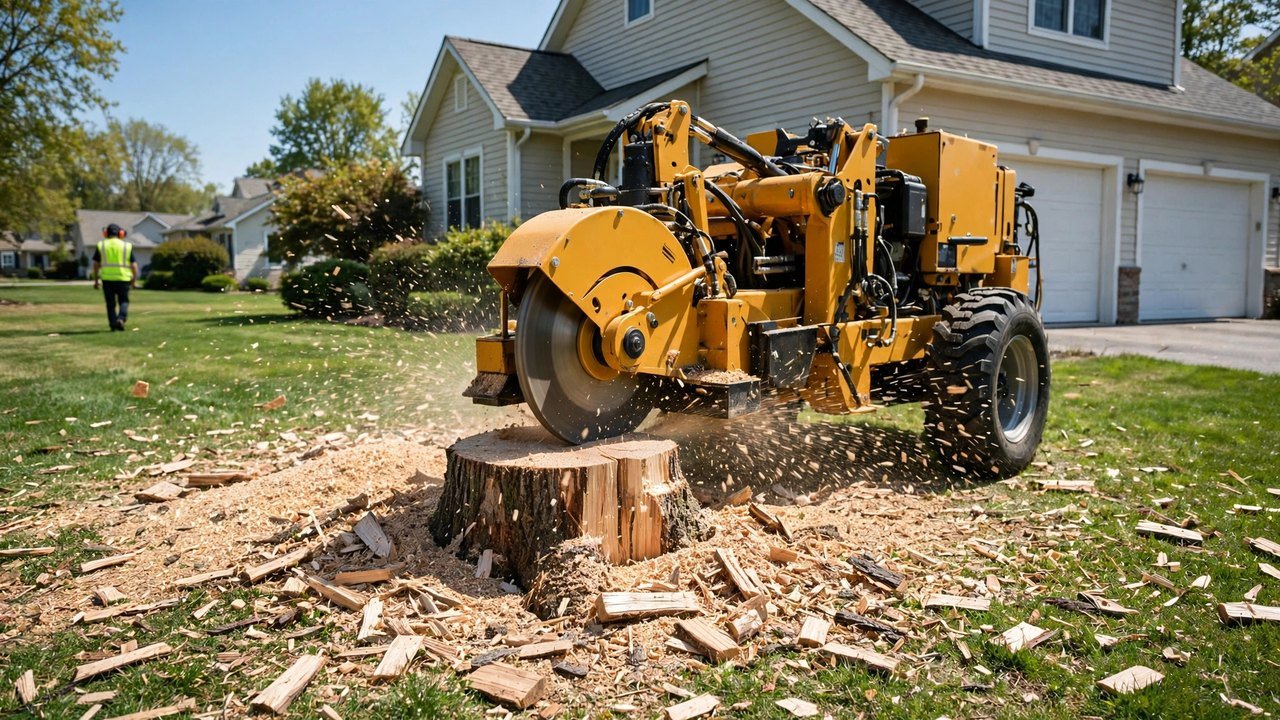
Size affects more than price. It also changes the crew, the gear, and how long the job takes.
Small trees under 30 feet include many ornamental and young shade trees. A small crew can often finish in a few hours. At $400 to $800, this is the most affordable category, and stump grinding is cheaper too because the stump is narrow.
Medium trees from 30 to 60 feet are the most common removal job. These trees often need climbing, roping, and several truck loads of debris. At $800 to $1,500, price depends heavily on how close the tree is to homes and lines.
Large trees from 60 to 80 feet need experienced climbers, heavy rigging, and sometimes a bucket truck or crane. The wood volume alone is large. At $1,500 to $2,500, most of the price reflects skill, safety gear, and hauling.
Very large trees over 80 feet are specialist work. Prices start around $2,500 and can climb much higher for crane jobs or emergency storm work. Get several quotes for these trees, because methods and prices vary a lot between companies.
If your tree sits in open ground, expect the lower end of each range.
How to Save Money on Tree Removal
Tree work is risky, so savings should never come from hiring an uninsured crew. Use these safer ideas instead:
- Get at least three written quotes and compare scope, insurance, and cleanup, not just price.
- Remove more than one tree in the same visit, since crews often price extra trees lower per tree.
- Keep the wood for firewood or mulch if the company offers a discount for less hauling.
- Schedule non-urgent work in the crew’s slower season, often late winter in many areas.
- Skip full stump removal and choose grinding, which is usually much cheaper.
- Clear access paths and move cars, furniture, and pots before the crew arrives.
- Ask if trimming or treatment can save a healthy tree instead of full removal.
- Check if your city offers free pickup days for bundled branches after you do small cleanup.
Financing Options
Tree removal is often an urgent safety expense, so some owners need short-term help with the bill.
Many tree companies accept credit cards, which can spread payment briefly, though interest adds up if the balance is carried. Some offer payment plans for large jobs, so ask before work begins.
Homeowners insurance may help pay when a tree falls and damages a covered structure, like a roof or fence. It usually does not pay to remove a standing tree just because it is old, but rules vary by policy.
For very large projects that combine removal, stump work, and replanting, a personal loan or home equity line may be an option. Borrow only what is needed and confirm the total repayment cost first.
Questions to Ask Before You Hire
The right questions reveal whether a company is safe and professional:
- Are you licensed and fully insured, including workers’ compensation?
- Can you provide a written estimate with each service listed?
- Is stump grinding, hauling, and cleanup included or extra?
- What method will you use, and will a crane or lift be needed?
- How will you protect my roof, lawn, driveway, and nearby plants?
- Will you contact utility services about nearby power lines?
- How long will the job take, and when can you start?
Frequently Asked Questions
How much does it cost to remove a large tree?
Large trees, about 60 to 80 feet tall, usually cost $1,500 to $2,500 to remove. Very large trees over 80 feet start near $2,500 and can cost more with crane work. Access and location cause most of the variation.
Is stump grinding included in tree removal?
Often it is not. Many quotes cover cutting and hauling the tree but list stump grinding as an extra $100 to $400. Always ask and get it in writing so there are no surprises.
Does homeowners insurance cover tree removal?
It may cover removal if a tree falls and damages a covered structure. It usually does not pay to remove a healthy or standing tree as prevention. Check your own policy for exact rules and limits.
Can I remove a tree myself?
Small, open-yard trees may be possible for skilled owners with the right tools. Medium and large trees are dangerous and should be left to insured pros. Falling limbs and kickback from saws cause many injuries each year.
Do I need a permit to remove a tree?
Some cities protect certain tree sizes or species and require a permit. Homeowners associations may also have rules. Check local rules before scheduling, as fines for illegal removal can be high.
What time of year is cheapest for tree removal?
Late winter is often the slower season in many regions, so some companies price work lower then. Leafless trees can also be easier to assess and cut. Storm seasons are usually the most expensive times.
What happens to the wood after removal?
Crews usually chip branches and haul logs away. You can often keep logs for firewood or chips for mulch if you ask in advance. Keeping wood may slightly reduce hauling costs on some quotes.
Conclusion
Planning around tree removal cost is easier once you know your tree’s size and site challenges. In 2026, budget $400 to $800 for a small tree, $800 to $1,500 for a medium tree, and $1,500 to $2,500 or more for a large one, with stump work and crane help priced extra.
The safest value comes from insured, experienced crews who explain their method and list every service in writing. Cheap, uninsured work can leave you liable for injuries or damage, which costs far more than a fair professional quote.
Handled the right way, your tree removal cost buys safety and peace of mind. You clear a real hazard, protect your home, and open space for healthy new planting that suits your yard for years ahead.