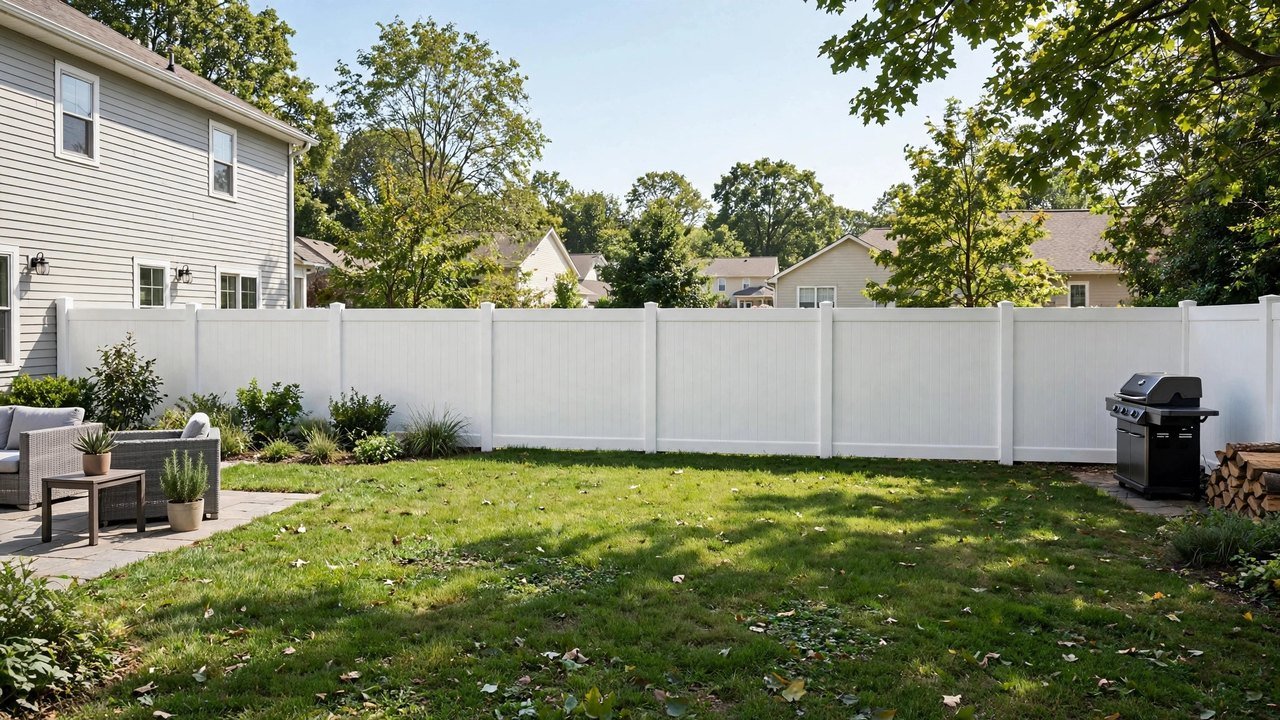
When you price a new fence, fence installation cost depends mainly on the material and the length of the run. In 2026, most homeowners pay $15 to $50 per linear foot installed. Wood sits in the middle, chain link is the budget pick, and vinyl costs more but needs very little care.
A fence does many jobs at once. It adds privacy, keeps kids and pets in the yard, and marks your property line clearly. It can also improve curb appeal and make your home feel more secure.
This guide covers average prices by material and yard size, what drives the price up or down, and how the main materials compare.
Fence Installation Cost at a Glance
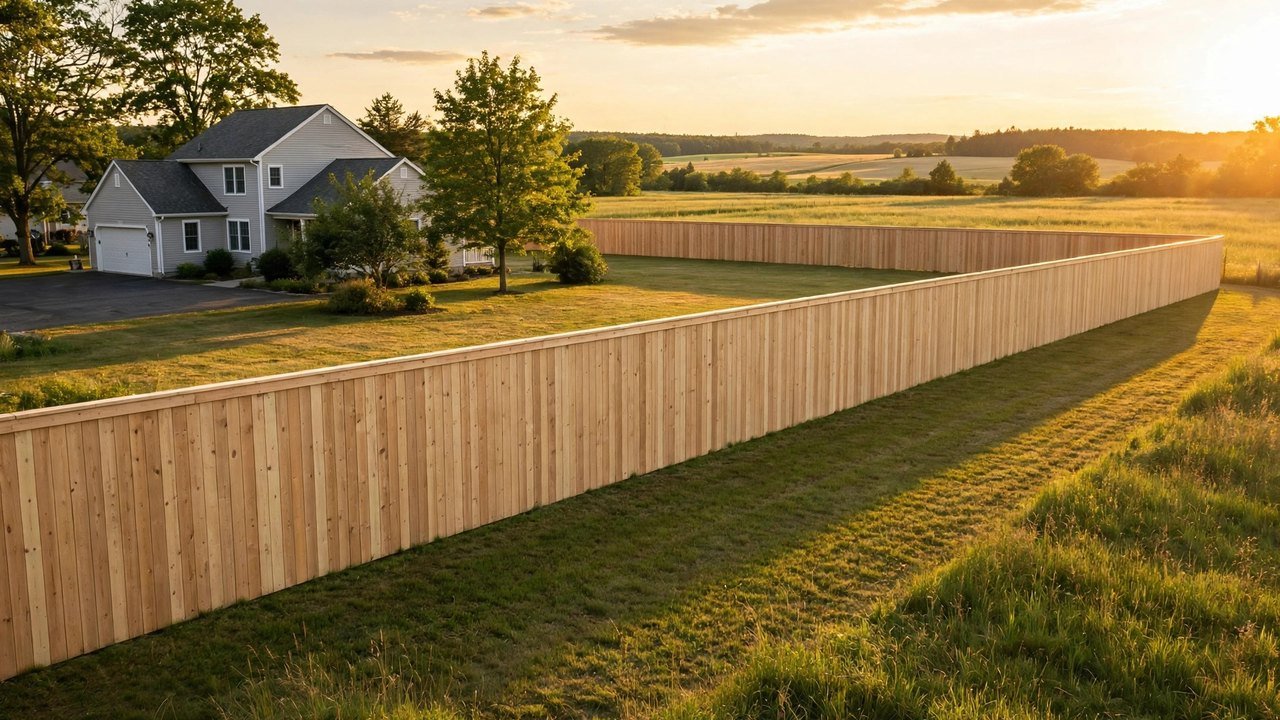
A standard residential fence is usually 100 to 200 linear feet and 4 to 6 feet tall. For a typical 150-foot fence, most homeowners pay $2,250 to $7,500 in total, depending on material and height.
Here is a quick look at common prices.
| Fence Type | Cost Per Linear Foot Installed | Average for 150 Feet |
|---|---|---|
| Chain link | $15 – $30 | $2,250 – $4,500 |
| Pressure-treated wood | $20 – $35 | $3,000 – $5,250 |
| Cedar wood | $25 – $40 | $3,750 – $6,000 |
| Vinyl (PVC) | $30 – $50 | $4,500 – $7,500 |
| Composite | $35 – $50 | $5,250 – $7,500 |
| Aluminum | $30 – $50 | $4,500 – $7,500 |
| 4 ft tall fence | Lower end of range | Good for front yards and pets |
| 6 ft tall fence | Higher end of range | Best for privacy |
Gates are usually extra. A simple walk gate may cost $200 to $600 installed, while a wide double gate for vehicles can cost $800 to $2,000 or more.
Prices vary by state and city, and labor and material costs differ across regions, so get 2-3 local quotes before you choose a material or installer.
What Affects the Price of Fence Installation Cost?
Several key factors shape your final fence installation cost. Knowing them helps you read quotes with confidence.
Material is the top factor. Chain link uses cheaper materials and faster labor. Vinyl panels cost more to buy, but they install cleanly and last a long time with little care.
Length and height drive totals. Fences are priced by the linear foot, so a longer yard costs more. Taller fences need more material and stronger posts, so a 6-foot privacy fence costs more than a 4-foot fence of the same type.
Yard conditions matter. Flat, clear ground is fastest to work on. Slopes, trees, rocks, and roots slow the job. Removing an old fence can add $5 to $15 per linear foot in some cases, including disposal.
Number of corners and gates adds labor. Each corner post and gate needs extra hardware, leveling, and care. A long straight run is always cheaper per foot than a yard with many turns.
Permits and property lines protect you. Many cities limit fence height and require permits. A survey may be needed if the property line is unclear. Building on a neighbor’s land is a costly mistake, so confirm the line first.
Fence Installation Cost Breakdown by Component
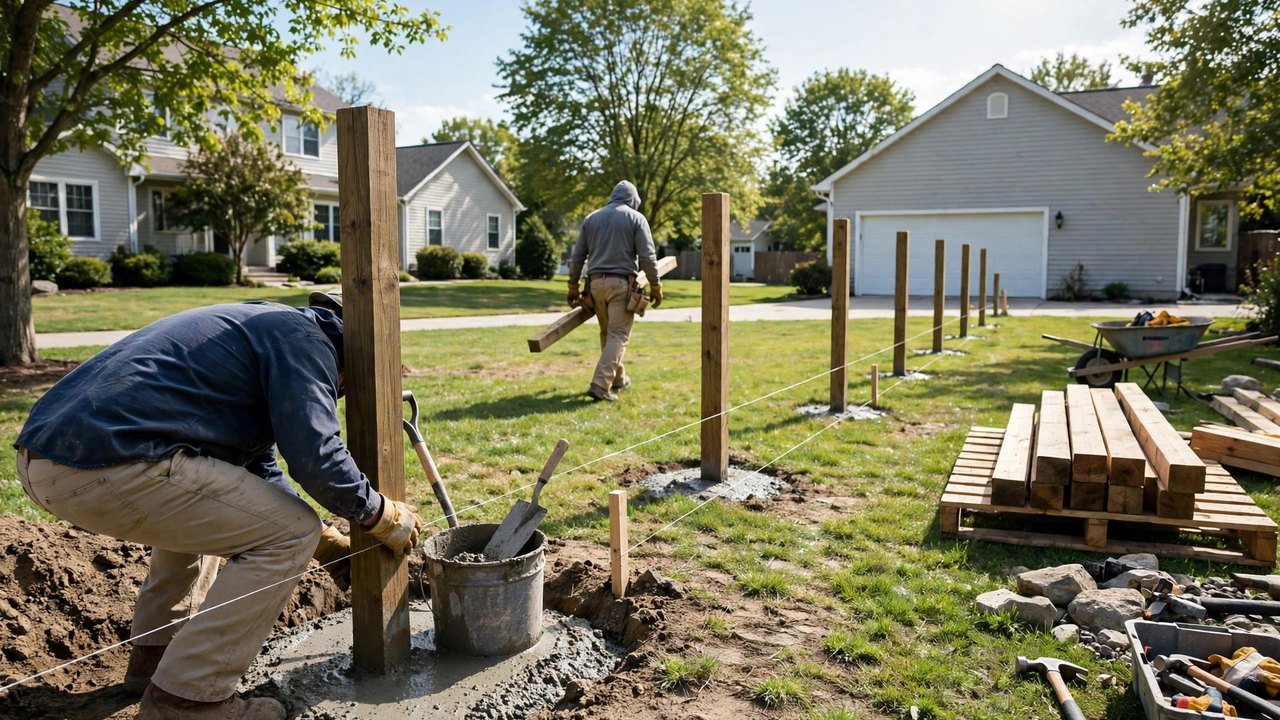
Breaking a quote into parts shows where your money goes and helps you compare installers fairly.
Materials: about 40% to 55% of the total. This includes panels or pickets, posts, rails, concrete for post holes, and basic hardware. Premium vinyl and composite materials take a larger share of the budget.
Labor: about 35% to 50% of the total. Crews dig post holes, set posts in concrete, level each section, and attach panels or fabric. Rocky soil or steep slopes raise labor time and cost.
Posts and concrete: a key hidden cost. Strong posts set at the right depth keep the fence straight for years. Cutting corners here leads to leaning fences and early repairs, so make sure quotes include proper post depth.
Gates and hardware: often $200 to $2,000 per gate. The price depends on width, material, latches, and whether the gate is self-closing. Pool areas often require specific latches by code.
Old fence removal and disposal: extra in most quotes. Ask if removal is included. Some installers charge per foot, and others charge a flat fee for hauling and dumping.
Fence Installation Cost Compared: Wood vs Vinyl vs Chain Link
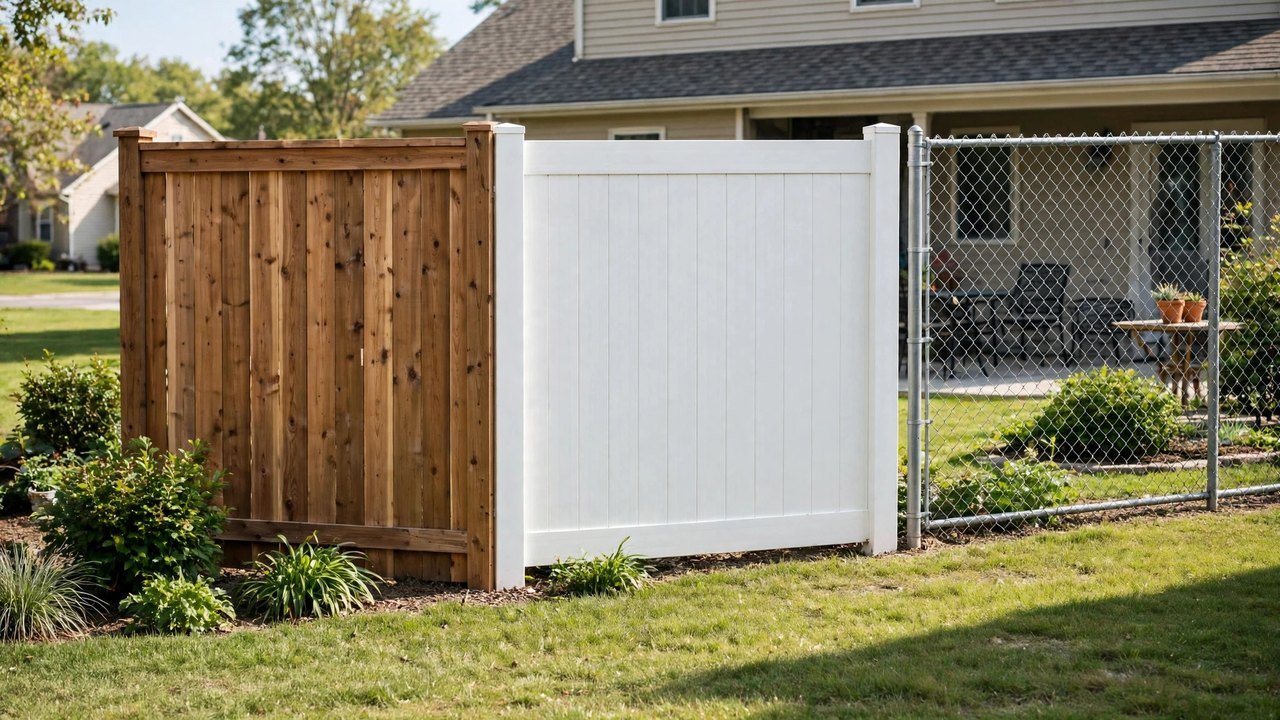
Each main material has a clear strength. The right choice depends on your budget, privacy needs, and how much upkeep you want.
Wood is the classic privacy choice. It looks warm, can be painted or stained, and is easy to repair one board at a time. It needs sealing every few years and can warp, crack, or attract insects over time. Its mid-range fence installation cost makes it popular for backyards.
Vinyl costs more upfront but asks for almost no upkeep. A wash with soap and water keeps it clean. It resists rot and insects and holds its color well. It is harder to repair if a panel cracks, and the first price is higher, but many owners value the long, low-care life.
Chain link is the most affordable and the fastest to install. It is strong, lets light through, and works well for pets and large yards. It offers little privacy on its own, though privacy slats can be added for extra cost. It suits side yards, rentals, and big properties where cost per foot matters most.
If privacy is your top goal, choose wood or vinyl. If budget and durability matter most, chain link is hard to beat. If you want privacy with the least work, vinyl often wins over time.
How to Save Money on a New Fence
You can reduce your fence installation cost with a few smart choices:
- Choose chain link or basic wood panels for long runs where privacy is less important.
- Mix materials, using vinyl or wood at the front and chain link at the back or sides.
- Keep the design simple, with fewer corners and only the gates you truly need.
- Clear brush, toys, and debris from the fence line before the crew arrives.
- Remove the old fence yourself if you can do it safely and dispose of it legally.
- Schedule work in the installer’s slower season and ask about off-season pricing.
- Talk with neighbors about sharing the cost of a shared boundary fence, in writing.
- Get at least three quotes and compare materials, post depth, and warranties, not just price.
Saving money should never mean weak posts or shallow holes. A cheap fence that leans in two years is not a real saving.
Financing Options
A full fence can be a mid-size home project, so many owners spread the cost.
Some installers offer payment plans or work with home improvement lenders. Check the interest rate, fees, and total cost over the full term before you agree.
A home equity line of credit may offer a lower rate for larger projects that combine a fence with other yard work. Borrow only what you need and keep payments comfortable.
Personal loans and credit cards are also used for smaller fences. A card with a low promotional rate can work if you pay the balance off before the promotion ends.
Questions to Ask Before You Hire
Clear questions prevent most fence problems. Ask every installer these:
- Are you licensed and insured, and will you call utility marking services before digging?
- Who confirms the property line, and is a permit needed for this fence?
- How deep will posts be set, and will they be set in concrete?
- Is old fence removal and disposal included in this price?
- What warranty covers materials and labor?
- How long will installation take, and how do you handle sloped ground?
- Can you provide recent local references or photos of similar work?
Get the full scope in writing, including height, material, gate details, and cleanup.
Frequently Asked Questions
How much does it cost to fence a typical backyard?
Most backyards need 120 to 180 linear feet of fence. At $15 to $50 per foot, the total is roughly $1,800 to $9,000. Material, height, and gates cause most of the difference.
Which fence material is cheapest?
Chain link is usually the cheapest at $15 to $30 per linear foot installed. It is durable and fast to install. Wood is the cheapest option that gives full privacy.
How long does fence installation take?
A standard residential fence often takes 1 to 3 days once work begins. Large yards, bad weather, rocky soil, or many gates can extend the job. Permit waits happen before installation starts.
Do I need a permit for a new fence?
Many cities require a permit, especially for fences over a certain height or on corner lots. Rules vary, so check local codes or ask your installer. Height limits are common in front yards.
How long will a fence last?
A treated wood fence often lasts 10 to 15 years with care. Vinyl and aluminum fences can last 20 to 30 years. Chain link also lasts many years, though the fabric may need attention over time.
Can I install a fence myself?
Yes, for simple chain link or panel fences, if you have time and basic tools. Post setting and leveling are the hard parts. Many owners hire pros to be sure posts are straight and deep enough.
Should I talk to my neighbor before building?
Yes, it is wise and often required to build on the correct line. A friendly talk can prevent disputes and may lead to sharing the cost. Keep any cost-sharing deal in writing.
Conclusion
A clear view of fence installation cost makes planning much easier. In 2026, expect $15 to $50 per linear foot installed, with chain link at the low end, wood in the middle, and vinyl at the higher end for its low upkeep and clean look.
Focus on the basics that decide long-term value: correct property lines, strong posts set in concrete, and a material that matches your privacy needs and care habits. A detailed written quote should spell out all of these, plus gates, removal, and warranty.
With the right material and a careful installer, your fence installation cost becomes money well spent. You gain privacy, safety, and a neat border that serves your home well for many years.