When the power goes out for hours or days, food spoils, pipes can freeze, and work stops. That is why many homeowners check the whole house generator cost before storm season. A standby generator turns on by itself and keeps your home running.
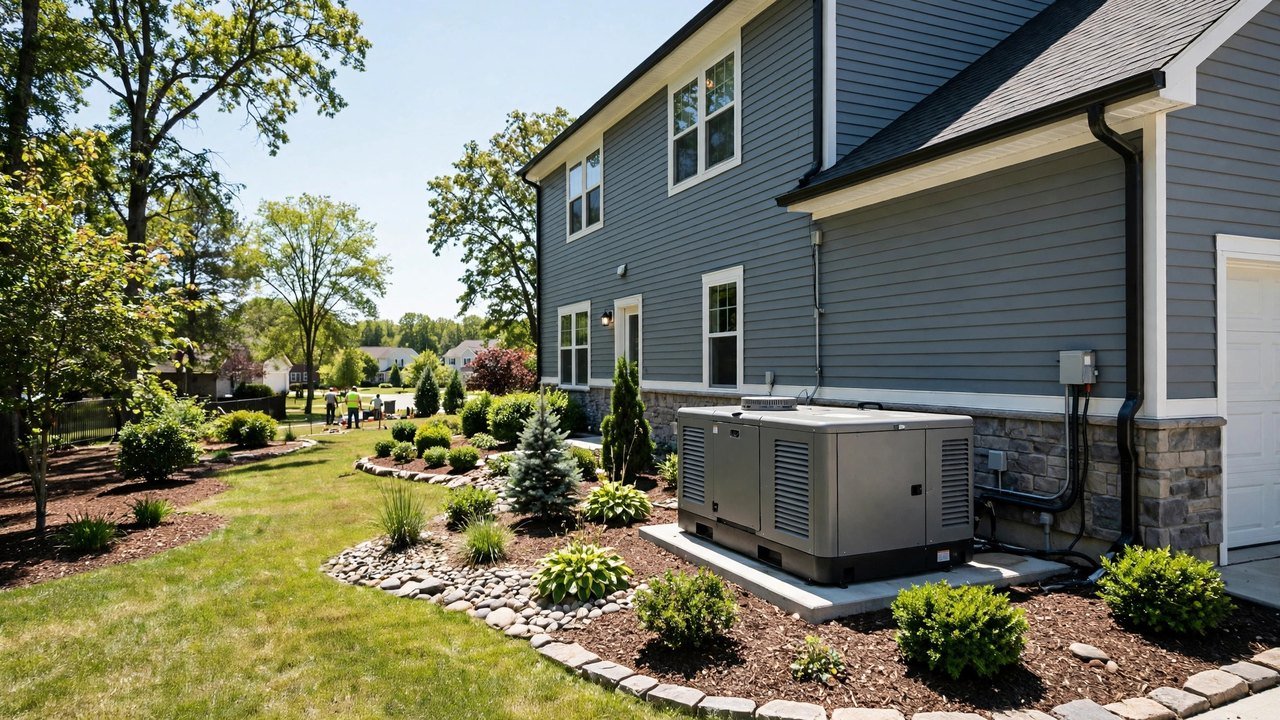
Unlike a small portable unit, a whole house system is installed for good. It connects to your electrical panel and to a fuel line. That makes it safer and easier to use, but it also costs more.
This guide covers the full price — the unit plus installation — plus what affects the cost and how to avoid overpaying for size you do not need.
Prices vary by state and city, so get 2-3 local quotes before you decide on any whole house generator cost.
Whole House Generator Cost: Quick Summary
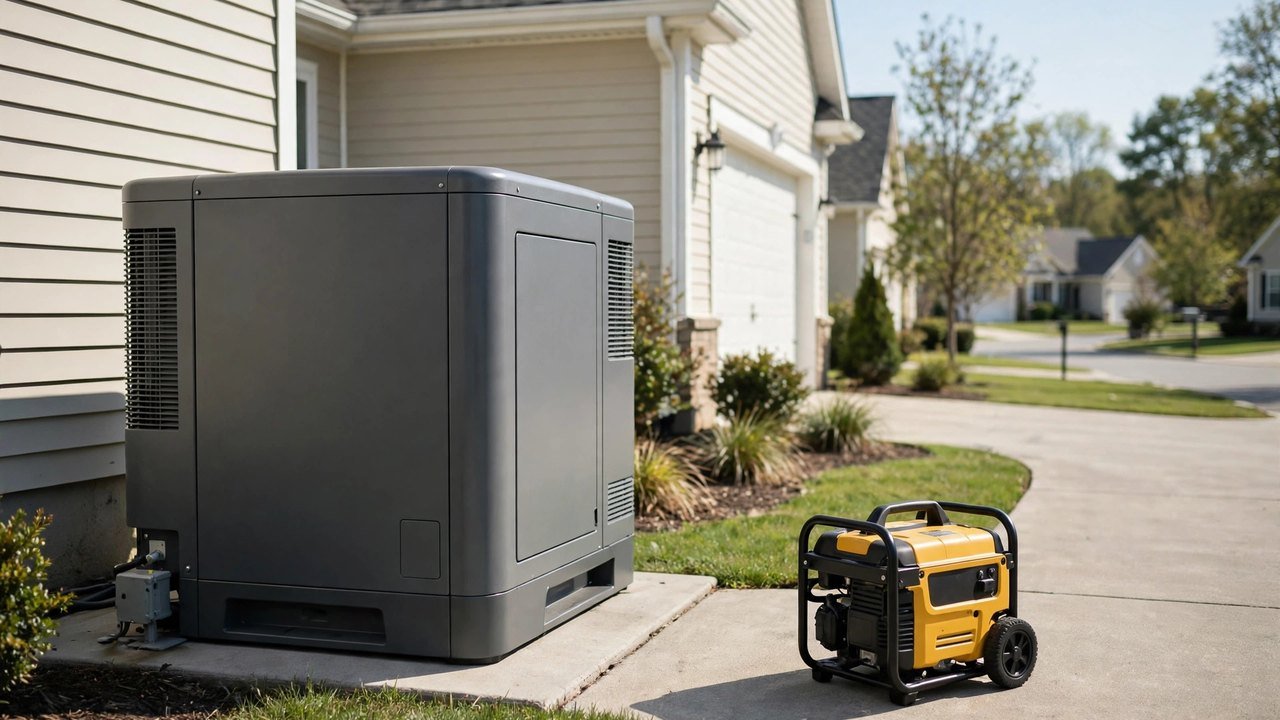
In 2026, the whole house generator cost is typically $7,000 to $18,000 installed for most homes. That includes the unit, the transfer switch, the concrete pad, wiring, gas work, permits, and labor. Smaller homes that power only key circuits pay less. Large homes that power everything, including central air, pay more.
The unit alone often costs $3,000 to $10,000 depending on size. Installation often adds $3,000 to $8,000. Here is a guide by size.
| Generator Size | What It Can Power | Unit Cost | Total Installed Cost |
|---|---|---|---|
| 10 – 14 kW | Essentials: lights, fridge, well pump | $3,000 – $5,000 | $7,000 – $11,000 |
| 18 – 22 kW | Most of a mid-size home, incl. AC | $4,500 – $7,000 | $10,000 – $15,000 |
| 24 – 26 kW | Large home, most loads | $6,000 – $9,000 | $13,000 – $18,000 |
| 30 kW and up | Very large home, all loads | $9,000 – $14,000+ | $18,000 – $28,000+ |
Most mid-size homes do well with an 18 kW to 24 kW unit. Bigger is not always better — oversized units cost more to buy and to run.
What Affects Whole House Generator Cost
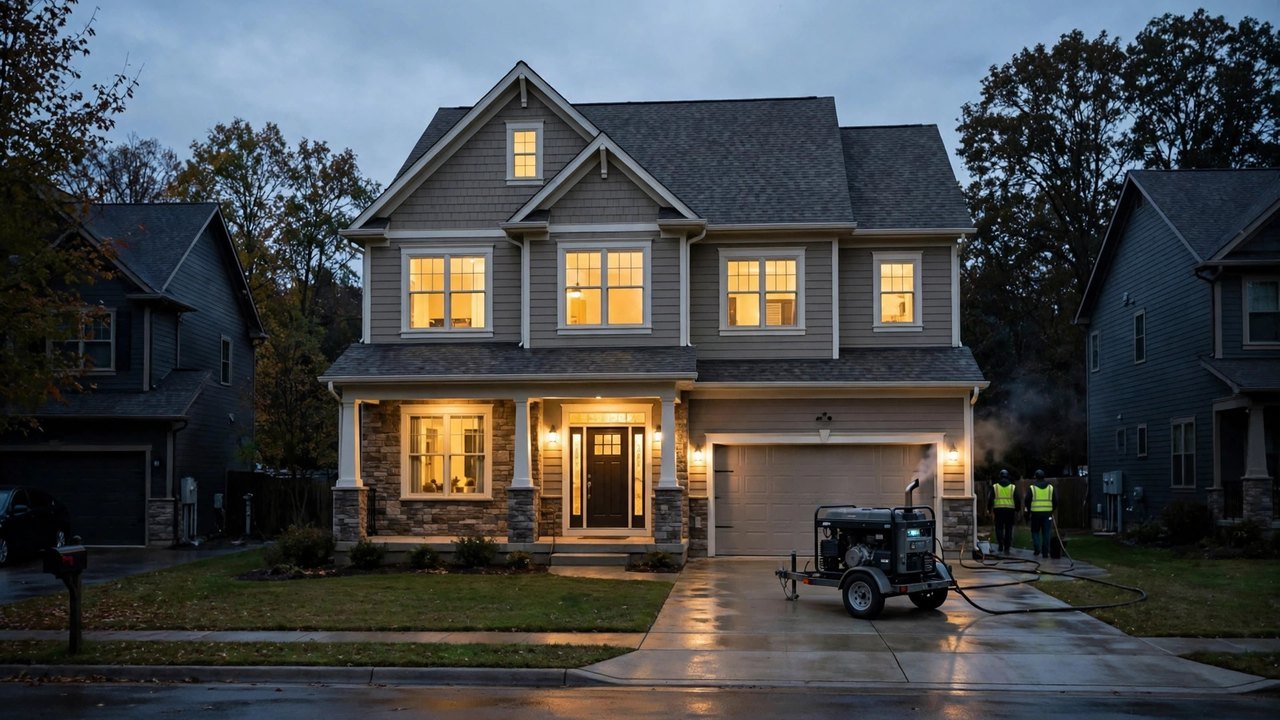
Size in kilowatts is the main factor. More capacity means a larger engine and a higher price. What you want to power decides the size. Central air, electric ovens, dryers, and well pumps draw a lot of power.
Fuel type matters. Most whole house units run on natural gas or propane. If you already have natural gas, hookup is simpler. If you need a propane tank installed, that adds cost. Diesel units exist, but they are less common for homes.
Installation distance adds cost too. A generator placed close to the gas meter and electrical panel needs less trenching, pipe, and wire. A long run across the yard costs more.
Permits, inspections, and local codes also vary. Some towns require a specific pad, setback distance, or noise rule. An electrical panel upgrade, if needed, can add $1,500 to $4,000.
Whole House Generator Cost Breakdown
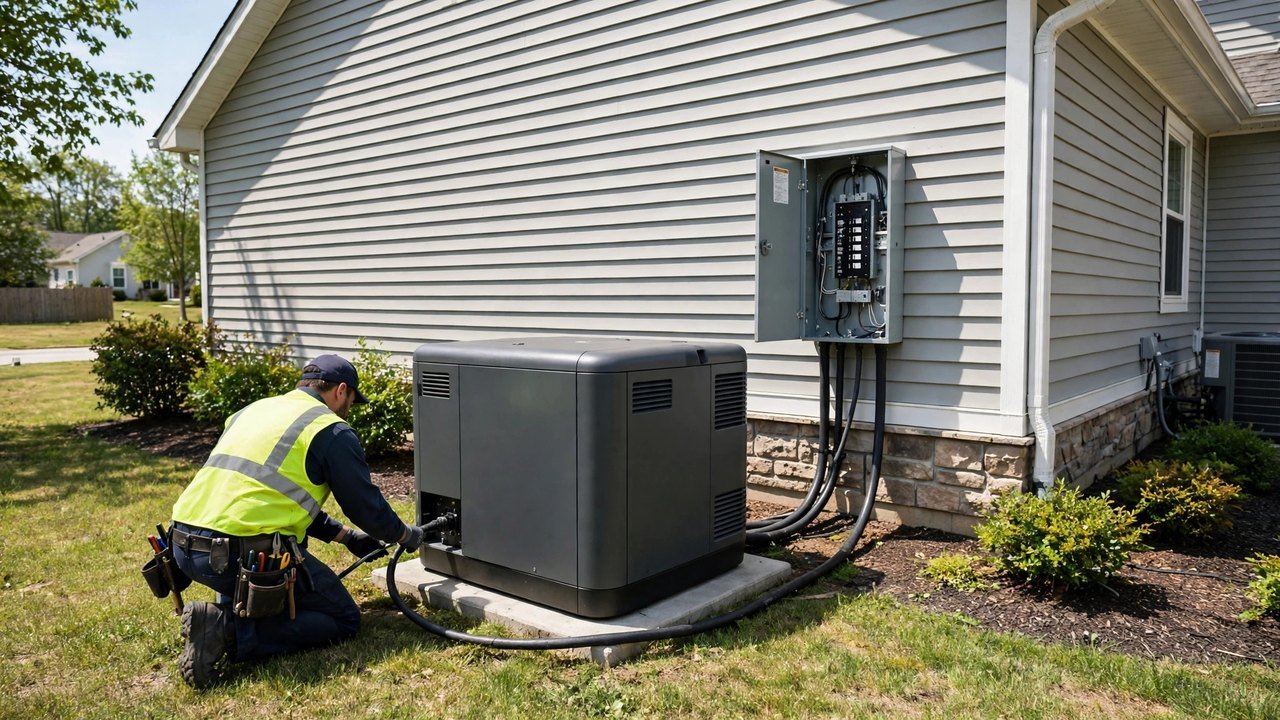
It helps to split the bill into parts. The generator unit is the largest single item. Next is the automatic transfer switch, which senses an outage and switches your home to generator power. That part often costs $500 to $1,500 plus labor.
Labor covers the installer, electrician, and gas fitter. Together, labor can be $2,000 to $5,000. The pad, battery, and basic parts add a few hundred dollars more.
Gas line work can range from about $500 for a short, simple run to $2,500 or more for a long or complex one. Electrical wiring is similar — short and simple costs less.
Do not forget yearly upkeep. Oil changes, filters, and a service check often cost $200 to $500 a year. Budgeting for care keeps the unit ready and protects your warranty.
Whole House Generator Cost by Fuel Type
Natural gas units are popular where gas service exists. Fuel is piped in, so there is no tank to refill. The unit price is similar to propane, and install is often simpler if the gas meter can handle the extra load. In some cases the gas line or meter needs an upgrade, which adds cost.
Propane units work well for homes without gas service. You will need a tank, often 250 gallons or larger for longer run time. Tank purchase or rental and the first fill add to the upfront cost, but propane stores well for long periods.
Running costs differ by fuel price in your area. Both types need the same basic care. Choose based on what fuel you can get reliably at your home, not just the unit price.
How to Save Money
You can control the cost with a few practical choices.
- Power essentials only, instead of every circuit in the house.
- Choose the right size — ask for a load calculation, not a guess.
- Place the unit near the panel and gas source if codes allow.
- Get 2-3 quotes with the unit, switch, pad, and gas work listed.
- Ask about off-season scheduling, when demand may be lower.
- Keep up with yearly service to avoid costly repairs later.
- Check for any local rebates or utility programs in your area.
A load-managed system is another saver. It can run a slightly smaller generator by pausing big loads in turn, which lowers both unit and fuel costs.
Financing Options
Many dealers offer financing, sometimes through home improvement loans. Terms and rates vary, so compare the total cost over time, not just the monthly payment. A low monthly figure over many years can cost far more in the end.
Some homeowners use a home equity loan or line of credit for larger installs. Those may carry lower rates but are secured by your home, so borrow with care.
If outages are rare in your area, weigh the financing cost against the real risk. For homes with medical needs, a home office, or frequent outages, reliable backup power may justify the expense more clearly.
Questions to Ask Before You Hire
Ask what size you truly need and how the installer calculated it. Ask if the quote includes the transfer switch, pad, battery, permits, gas work, and the first service visit.
Ask who pulls the permits and who calls for inspection. Ask how loud the unit is and where it will sit. Ask about the warranty on the unit, the switch, and the labor.
Also ask how often service is needed and what a yearly plan costs. Get the full scope in writing before work begins, so there are no surprise add-ons later.
Frequently Asked Questions
How much does a whole house generator cost installed in 2026?
Most homes pay $7,000 to $18,000 installed. The total depends on generator size, fuel type, distance to the panel and gas line, and local permit costs.
What size generator do I need for my house?
Many mid-size homes need 18 kW to 22 kW to run most systems including AC. A professional load calculation is the best way to size it correctly.
How long can a whole house generator run?
On natural gas, it can run as long as gas service continues and the unit is maintained. On propane, run time depends on tank size and load, often several days on a large tank.
Does a generator need regular maintenance?
Yes. Like a car engine, it needs oil changes, filters, and periodic checks. Most owners schedule service once or twice a year to keep it ready.
How long does installation take?
The physical install often takes 1 to 2 days. Permits, gas work scheduling, and inspections can stretch the full timeline to a few weeks.
Will a whole house generator add home value?
It can appeal to buyers in outage-prone areas, since backup power is a real comfort and safety feature. The value effect varies by local market.
Can a generator power central air conditioning?
Yes, if it is sized for it. Air conditioning is one of the biggest loads, so tell your installer that AC is a must-have when they size the unit.
Conclusion
The whole house generator cost in 2026 is mainly about size, fuel, and installation work. Most homeowners will land between $7,000 and $18,000 installed, with yearly service on top. A unit that is sized right will cost less to buy, less to run, and still cover what matters most during an outage.
Before you buy, decide which loads are truly essential and get a proper load calculation. Then compare detailed quotes that list the unit, transfer switch, gas work, and permits. That is the clearest way to judge the real whole house generator cost for your home.
With the right size, a good install, and steady upkeep, a standby generator gives you quiet peace of mind. The lights stay on, the fridge stays cold, and a power outage becomes a minor event instead of a major problem.