Termites cause a lot of worry for homeowners, and the first question is almost always about termite treatment cost. The good news is that most treatments are far cheaper than repairing termite damage. A small colony caught early can often be handled for a few hundred dollars.
The bad news is that price depends a lot on method and home size. A spot treatment for one wall is not the same job as a full tent fumigation. Your location and the type of termites in your home also matter.
This guide breaks down what you can expect to pay in 2026. You will see average prices, what drives the cost up or down, and how the main methods compare. Prices vary by state and city, so always get 2-3 local quotes before you hire a company.
Termite Treatment Cost: Quick Cost Summary
Most homeowners pay between $300 and $1,500 for standard treatment. Full fumigation costs more. Here is a quick look at typical 2026 ranges.
| Treatment Method | Average Cost | Low-High Range |
|---|---|---|
| Spot treatment | $350 | $200 – $600 |
| Liquid barrier treatment | $1,200 | $800 – $2,500 |
| Bait station system | $1,000 | $600 – $1,800 |
| Heat treatment | $1,800 | $1,200 – $2,800 |
| Tent fumigation | $2,500 | $1,500 – $4,000+ |
| Annual monitoring / renewal | $300 | $200 – $500 per year |
| Termite inspection | $75 | $0 – $150 |
These are installed, full-service prices for an average single-family home. Very large homes cost more. Small, early problems cost less.
Many companies offer a free inspection if you sign up for treatment. Ask what the inspection includes and whether you get a written report.
What Affects the Termite Treatment Cost?
Several factors shape your final quote. Understanding them helps you compare bids fairly.
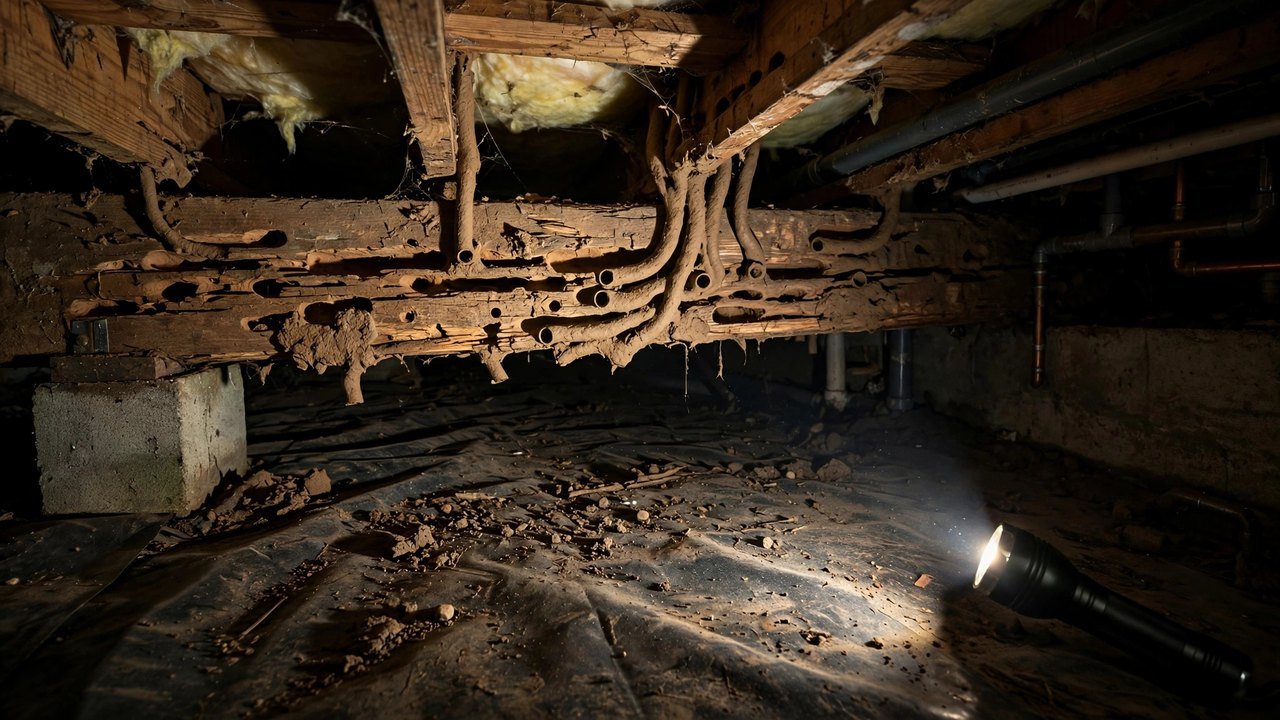
Home size is the biggest factor. More square feet and a longer foundation perimeter mean more product and more labor. A two-story home also takes longer to treat than a single-story home of the same size.
Type of termite matters too. Subterranean termites live in the soil and are common in most states. Drywood termites live inside wood and often need fumigation or heat. Drywood jobs usually cost more.
The size of the infestation matters. A small, contained colony may need only a spot treatment. A colony that has spread through walls, floors, and the attic needs a whole-home approach.
Access also affects price. Tight crawl spaces, concrete slabs that need drilling, and heavy landscaping around the foundation all add labor time.
Your region plays a role. Warm, humid states have more termite pressure and more demand for treatment. Labor rates are also higher in large metro areas.
Finally, warranties add value but can add cost. Some plans cover retreatment if termites return. Others also cover damage repair, which is rarer and more expensive.
Termite Treatment Cost by Method and Component
It helps to see where the money goes. Most quotes include inspection, product, labor, and follow-up visits.
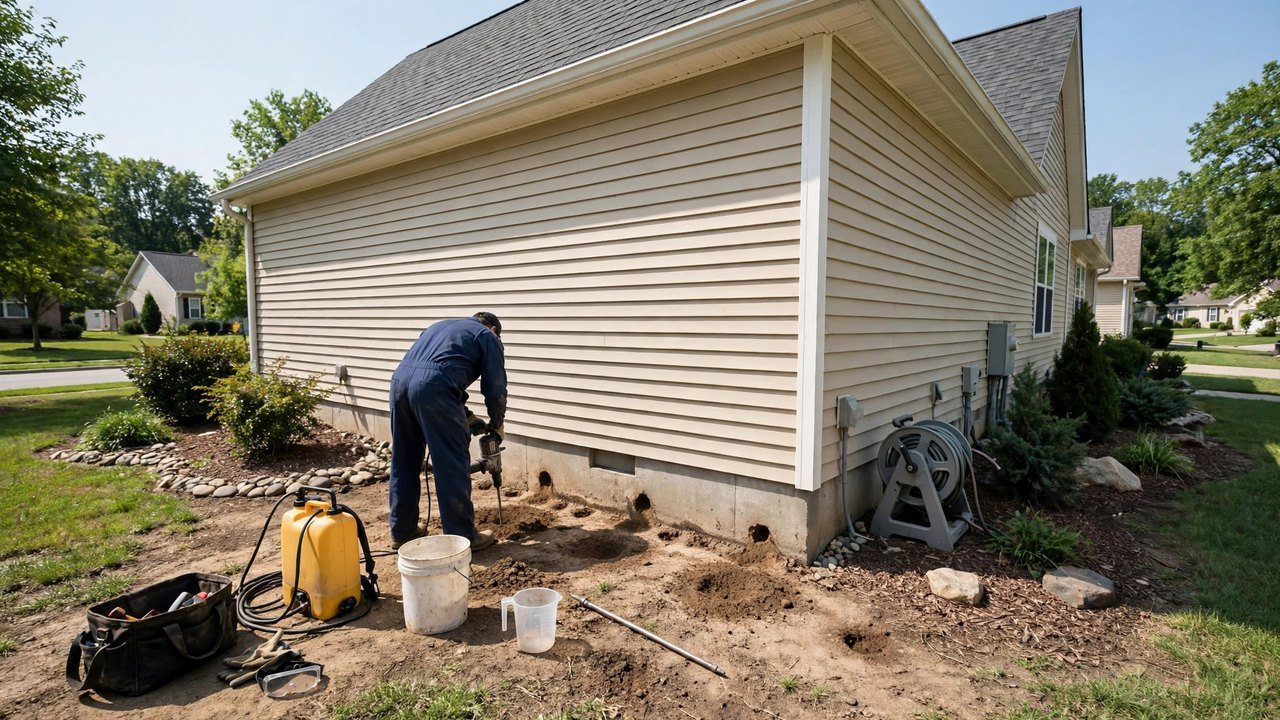
Liquid treatments use a termiticide applied in a trench around your foundation. The product creates a barrier termites cannot cross. Drilling through concrete porches or garage slabs adds cost.
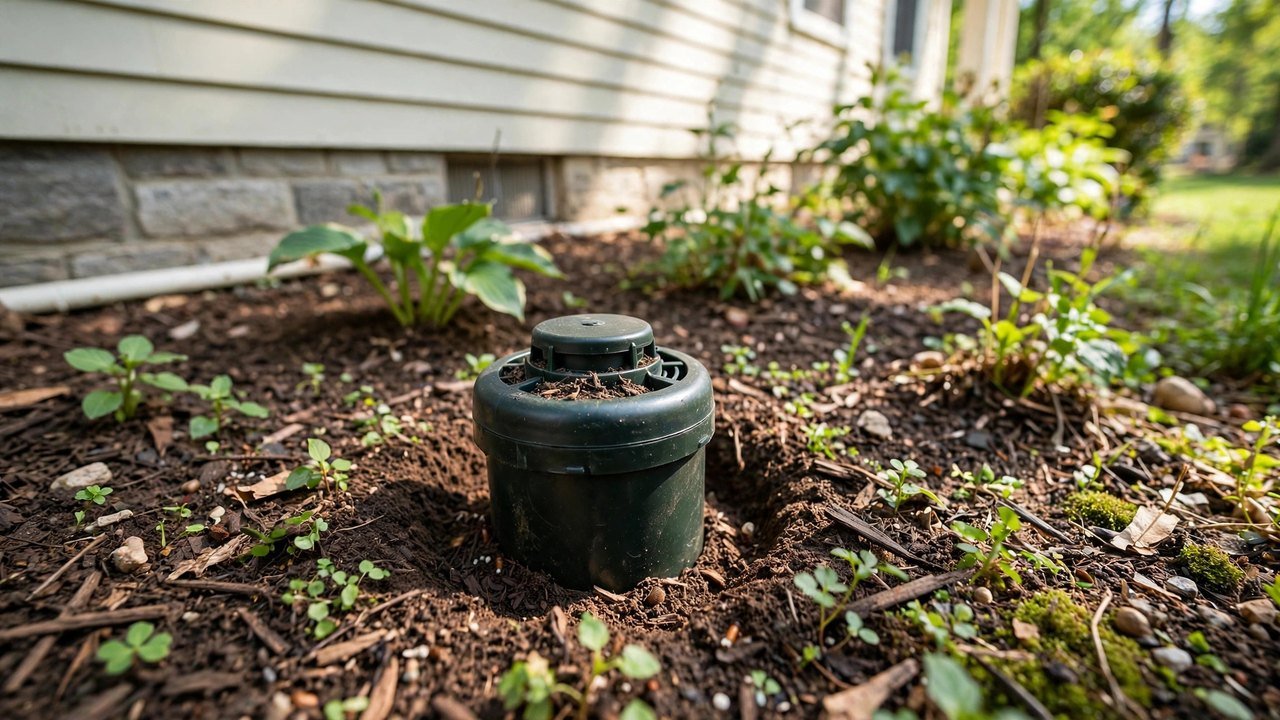
Bait systems use stations placed around your home. Termites feed on the bait and carry it back to the colony. The upfront cost is often lower than liquid, but you pay an annual fee for monitoring and bait replacement.
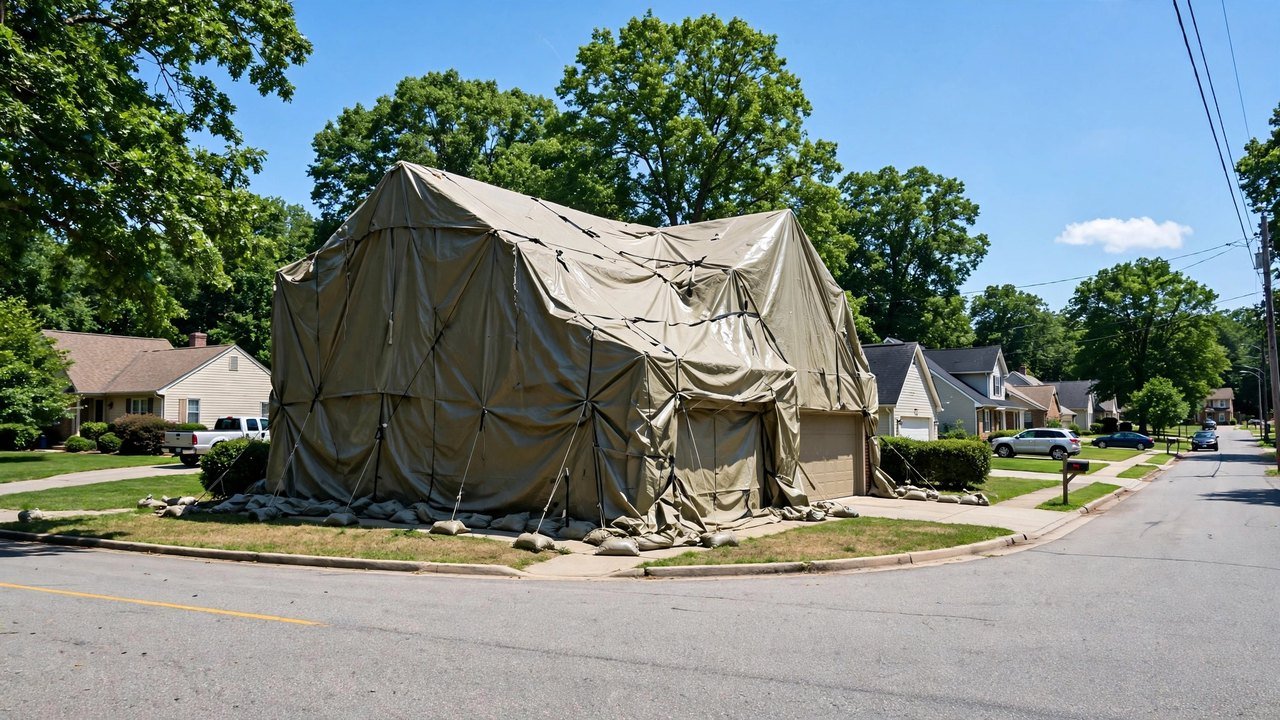
Fumigation involves tenting the whole house and filling it with gas. You must leave the home for 2-3 days. The price includes the tenting crew, the gas, and airing out the house afterward.
Heat treatment raises the temperature inside walls or a whole room to a level termites cannot survive. It works well for drywood termites in a limited area. No chemicals are used, which some homeowners prefer.
Other costs can include wood repair if damage is already present. Treatment stops termites, but it does not fix eaten wood. Repair can range from a few hundred dollars for a small board to several thousand for structural work.
Prevention for new construction is cheaper. Soil treatment during a build often costs $500 to $1,000 because access is easy before concrete is poured.
Termite Treatment Cost: Liquid vs. Bait vs. Fumigation Compared
Each method has strengths. The best choice depends on your termite type and how far the problem has spread.
Liquid barriers work fast and can protect a home for 5-10 years. They are a strong choice for subterranean termites. The downside is drilling and trenching, and the treatment does not always reach termites already inside walls.
Bait systems are less disruptive. There is no drilling in most cases, and the system can eliminate the whole colony over time. The downside is speed. Bait can take weeks or months to work fully, and you need ongoing monitoring.
Fumigation is the most complete option for drywood termites. It reaches every part of the home at once. The downside is cost and hassle. You must leave, remove certain foods and medicines, and prepare the home in advance.
Heat is a good middle option for a single room or attic. It is chemical-free and done in one day. It does not leave protection behind, so termites could return later.
Ask your inspector which method fits your case and why. A good company explains the trade-offs instead of pushing the most expensive option.
How to Save Money on Termite Treatment Cost
You cannot cut every cost, but smart steps can lower your bill.
- Get 2-3 quotes and compare the method, warranty, and follow-up visits, not just the price.
- Act early. Small infestations need cheaper, smaller treatments.
- Ask about spot treatment if the colony is truly contained, but confirm it with an inspection.
- Bundle inspection and treatment. Many companies waive the inspection fee when you hire them.
- Keep the annual bait or monitoring plan only if you need it, and ask what happens if you cancel.
- Fix moisture problems. Leaky pipes, poor drainage, and wet crawl spaces attract termites.
- Remove wood-to-soil contact, firewood piles, and mulch built up against the foundation.
- Ask if the company offers a price match or seasonal discount.
Prevention is the cheapest treatment of all. Simple home maintenance can reduce your risk year after year.
Financing Options for Termite Treatment
Most termite jobs are small enough to pay out of pocket. Still, larger fumigation or repair bills can strain a budget.
Many pest control companies offer payment plans. Some let you split the cost over a few months. Bait systems are often billed as a low upfront fee plus a monthly or annual charge, which spreads out the cost.
Credit cards are an option for smaller jobs, especially if you can pay the balance quickly. For combined treatment and structural repair over a few thousand dollars, some homeowners use a home equity line of credit, which usually has a lower rate than a card.
Homeowners insurance rarely covers termite treatment or damage. Insurers see termites as preventable with maintenance. Do not count on a claim to pay for this work, but check your policy if you are unsure.
If cost is a barrier, ask about treating the most urgent area first and scheduling the rest in stages. Do not skip treatment entirely because of price.
Questions to Ask Before You Hire
The right questions protect you from poor work and surprise charges.
What type of termites do I have, and how did you confirm it? Can I see signs of activity or damage myself? Which method do you recommend and why?
Is the company licensed in my state, and are the technicians certified? What product will you use, and is it safe around kids and pets once dry?
What does the warranty cover? Does it include free retreatment if termites return? Does it cover new damage, and for how long?
How many follow-up visits are included? For bait systems, how often will stations be checked? What will renewal cost each year?
What do I need to do before treatment day? For fumigation, ask for a written prep list. Get the full price, method, and warranty in writing before work starts.
Frequently Asked Questions
How much does termite treatment cost on average in 2026?
Most homeowners pay $300 to $1,500 for standard treatment. Liquid and bait systems sit in the middle of that range. Full fumigation often costs $1,500 to $4,000 or more.
Is a termite inspection worth paying for?
Yes. An inspection, usually $0 to $150, confirms the termite type and the size of the problem. It helps you avoid paying for the wrong treatment.
How long does termite treatment last?
Liquid barriers can last 5-10 years. Bait systems work as long as stations are monitored and refilled. Fumigation kills current termites but leaves no lasting protection.
Can I treat termites myself to save money?
Store products can help with very small, visible problems. They rarely reach a full colony inside walls or soil. For most infestations, professional treatment is safer and more effective.
Does homeowners insurance cover termite treatment?
Usually no. Insurers treat termite damage as preventable through maintenance. Treatment and repair costs are almost always paid by the homeowner.
How long does fumigation take?
The full process usually takes 2-3 days, including tenting and airing out the home. You cannot stay in the house during that time. Your company will give you an exact timeline.
Do I need treatment if I only found a few termites?
Often, yes. A few visible termites can mean a larger hidden colony. Get an inspection first so you know the true size of the problem before you decide.
Conclusion
Termite treatment cost in 2026 depends on method, home size, and how far the infestation has spread. Most jobs fall between $300 and $1,500, with fumigation at the high end. Catching the problem early is the single best way to keep your bill low.
Compare liquid, bait, heat, and fumigation honestly for your case. The cheapest option is not helpful if it misses the colony, and the most expensive option is wasteful if a spot treatment would work. Let the inspection guide the choice.
Get 2-3 written quotes, check the warranty, and act without delay. Paying a fair termite treatment cost now is far better than paying for structural repairs later.