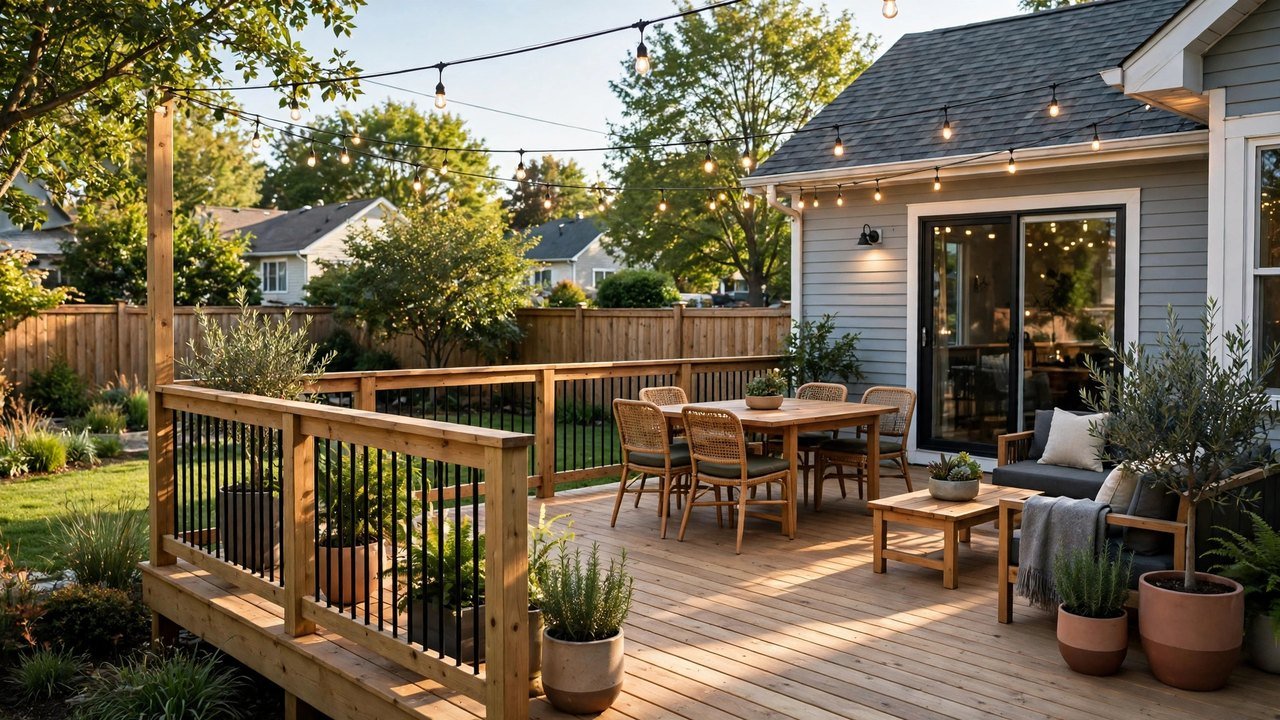
If you are planning an outdoor upgrade, deck building cost is usually the first thing to check. In 2026, most homeowners pay $25 to $60 per square foot installed, depending on the material, size, and design. A simple ground-level deck costs far less than a raised deck with stairs, railings, and lighting.
A deck adds real living space. You can host family dinners, relax outside, and enjoy your yard more. It can also help your home look better from the street. But the final price can vary a lot, even for decks that look similar in photos.
This guide breaks down average prices, cost by size and material, and the main factors that move the price up or down.
Deck Building Cost at a Glance
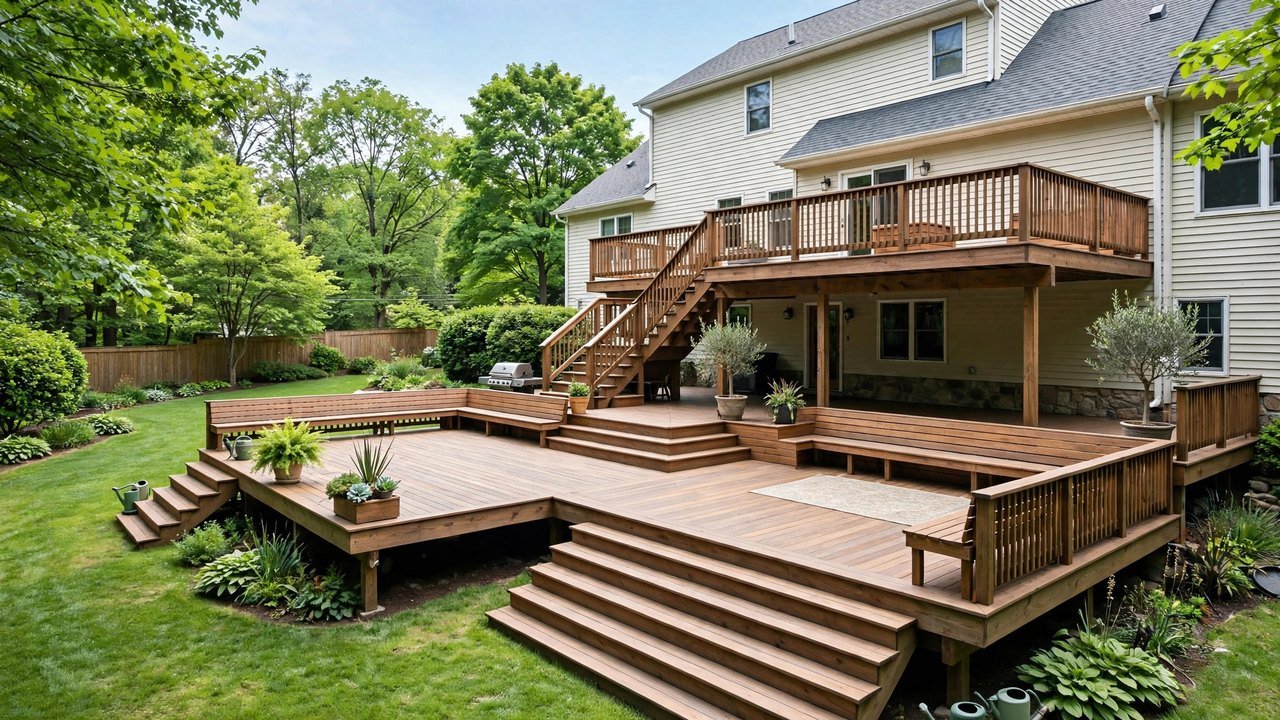
Most homeowners in the USA pay between $6,000 and $18,000 for a new deck in 2026. Small, simple decks can start near $4,000. Large, high-end decks with premium materials can cost $25,000 or more.
Here is a quick summary to help you plan.
| Deck Size | Average Cost Range | Best For |
|---|---|---|
| 10 x 10 ft (100 sq ft) | $2,500 – $6,000 | Small patio replacement, grill area |
| 12 x 16 ft (192 sq ft) | $4,800 – $11,500 | Family seating and dining |
| 16 x 20 ft (320 sq ft) | $8,000 – $19,200 | Large gatherings, multiple zones |
| 20 x 20 ft (400 sq ft) | $10,000 – $24,000 | Entertaining, hot tub support extra |
| Pressure-treated wood | $25 – $40 per sq ft | Lowest upfront cost |
| Cedar or redwood | $35 – $50 per sq ft | Natural look, better rot resistance |
| Composite | $45 – $60 per sq ft | Low maintenance, long life |
| PVC decking | $50 – $60+ per sq ft | Top moisture resistance |
These are installed prices. They include basic labor, framing, deck boards, and standard railings in most cases. Permits, stairs, and custom features are often extra.
Prices vary by state and city, and labor rates differ widely across the USA, so get 2-3 local quotes before you decide.
What Affects the Price of Deck Building Cost?
Several factors shape your final deck building cost. Understanding them helps you control your budget from the start.
Size is the biggest factor. More square feet means more boards, more framing, more footings, and more labor hours. Doubling the size does not always double the price, but it comes close for material costs.
Height matters too. A deck that sits a few inches off the ground is simple to build. A raised deck needs taller posts, more bracing, stairs, and stronger railings. Second-story decks cost the most and often need extra engineering.
Material choice changes both price and care. Wood costs less upfront but needs staining and sealing. Composite and PVC cost more at first, but they need much less yearly work.
Site conditions can add cost. Sloped yards, rocky soil, or tight access can slow the work. Removing an old deck or patio also adds time and disposal fees.
Permits and codes vary by city. Most areas require a permit for a new deck, especially if it is attached to the house. Permit fees are usually a few hundred dollars, but inspections protect safety and resale value.
Deck Building Cost Breakdown by Component
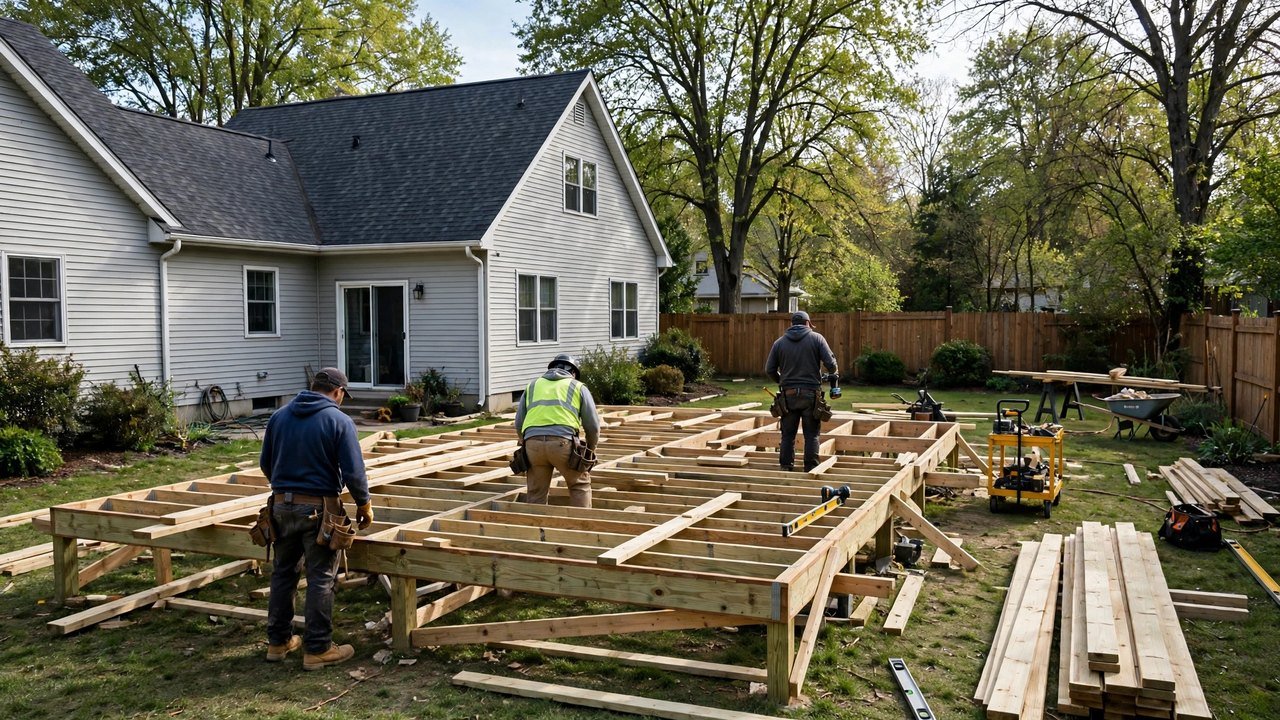
Looking at the parts of the project makes quotes easier to compare. Here is where the money usually goes.
Framing and footings: about 25% to 35% of the total. This includes concrete footings, posts, beams, and joists. Strong framing is not the place to save money, because the whole deck rests on it.
Decking boards: about 30% to 40% of the total. This is the surface you see and walk on. Wood boards are cheapest. Composite and PVC boards cost more but resist fading, stains, and insects better.
Railings: about 10% to 20% of the total. Wood railings are the budget option. Metal, cable, and composite railings cost more but give a cleaner, modern look. Most codes require railings on decks over 30 inches high.
Stairs: often $500 to $2,500 or more. A few simple steps are affordable. Long staircases to a raised deck, with landings and railings, cost much more.
Labor: often 40% to 55% of the total project. Skilled builders charge for layout, cutting, leveling, and finishing. Complex designs take longer, so labor rises with detail.
Comparing Materials and Their Effect on Deck Building Cost
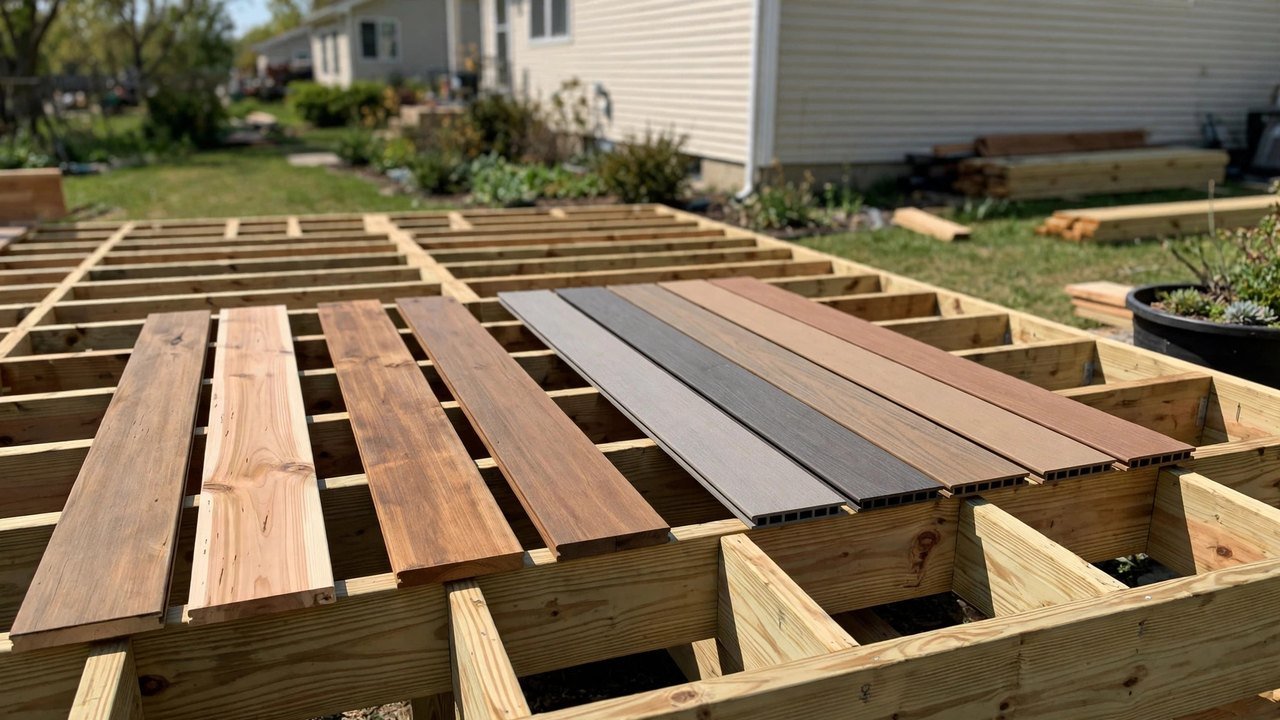
Your material choice is a trade-off between upfront price and long-term care.
Pressure-treated wood is the most common budget choice. It handles outdoor use well when it is sealed each year or two. It can warp or crack over time, but repairs are cheap and easy.
Cedar and redwood look warm and natural. They resist rot better than basic wood and stay cooler underfoot. They still need regular sealing, and prices are higher, especially outside the regions where they grow.
Composite is made from wood fibers and plastic. It does not need staining, and it resists rot and insects. It costs more upfront, but many owners save time and money on upkeep over 10 to 15 years.
PVC decking is fully plastic. It handles water very well, so it is a strong pick near pools or in wet climates. It is among the most expensive options, but it is also one of the lowest-maintenance choices.
If you plan to stay in your home for many years, a higher upfront cost for composite or PVC can make sense. If your budget is tight now, a well-built wood deck is still a solid, attractive choice.
How to Save Money on Your Deck
You can lower your deck building cost without building a weak or ugly deck. Try these ideas:
- Keep the shape simple. Squares and rectangles cost less than curves and many angles.
- Build at ground level if your yard allows it, to avoid long stairs and tall railings.
- Choose pressure-treated wood for the first build, and upgrade surfaces later if you wish.
- Do the staining or sealing yourself after the builders finish.
- Skip extras at first, like built-in lighting, and add them in a later season.
- Get quotes in late fall or winter, when some builders offer off-season pricing.
- Remove an old deck yourself only if you can do it safely and legally.
- Buy a standard size that uses full board lengths and creates less waste.
The best saving is a clear plan. Changes in the middle of a build almost always cost more than changes on paper.
Financing Options
Most homeowners pay for a deck with savings, but other options exist if you need them.
A home equity loan or home equity line of credit often has lower interest rates than a credit card, because the home secures the loan. Only borrow an amount you can repay comfortably.
Some deck builders offer payment plans through third-party lenders. These can be handy, but read the interest rate and total repayment cost before you sign.
A personal loan is another option for mid-size projects. It is usually faster to get than home equity funding, but the rate may be higher.
Questions to Ask Before You Hire
A good builder will welcome clear questions. Ask these before you sign anything:
- Are you licensed and insured in this state?
- Will you handle the permit and inspections?
- What material brands do you use, and what warranty do they carry?
- How long will the build take, and what could delay it?
- Is old deck removal and cleanup included in the quote?
- What does the quote include for railings, stairs, and footings?
- Can I see photos or addresses of decks you built nearby?
Frequently Asked Questions
How much does a 12×16 deck cost in 2026?
A 12×16 deck, at 192 square feet, usually costs $4,800 to $11,500 installed. Wood is at the low end, and composite is at the high end. Stairs, railings, and permits can add to that range.
Is composite decking worth the extra cost?
For many owners, yes. Composite costs more upfront but needs no staining and resists rot and insects. If you plan to stay in the home for years, lower upkeep can offset the higher price.
Do I need a permit to build a deck?
In most cities, yes, especially for attached or raised decks. Rules vary by location, so check with your local building office. A good builder will usually handle the permit for you.
How long does it take to build a deck?
A simple deck often takes 1 to 2 weeks once work starts. Large or complex decks can take 3 to 4 weeks. Weather, permits, and inspections can add extra days.
Can I build a deck myself to save money?
You can, if you have strong building skills and follow local codes. DIY saves labor costs but takes much longer. Framing, footings, and railings must be correct for safety, so many owners hire a pro.
How long will a new deck last?
A well-built wood deck can last 10 to 15 years with regular care. Composite and PVC decks often last 25 years or more. Cleaning and prompt repairs help any deck last longer.
Does a deck add value to a home?
A well-designed deck often improves appeal and outdoor living space. It may help at resale, but the return varies by market. Build mainly for your own use and enjoyment, not only for resale.
Conclusion
Understanding deck building cost helps you plan a project that fits your home and your wallet. In 2026, expect to pay $25 to $60 per square foot installed, with size, height, and material making the biggest difference. A simple wood deck is the most affordable path, while composite and PVC raise the upfront price but cut yearly upkeep.
The smartest step is to define your must-haves first, then get detailed quotes that list materials, labor, permits, and extras in writing. That way you compare the same work, not just the lowest number. Small choices, like a simple shape or ground-level design, can save thousands without hurting quality.
With a clear budget and the right builder, your deck building cost becomes a planned investment instead of a surprise. You get a safe, useful outdoor space your family can enjoy for many seasons to come.