When your heating and cooling system fails, the price question hits fast. The HVAC system replacement cost in 2026 is about $5,000 to $15,000 for most homes, with high-efficiency and larger systems going higher. Knowing the range helps you judge quotes without panic.
A full replacement is a big investment, but it also brings better comfort and lower energy bills. New systems heat and cool more evenly. They also run quieter and break down less often than an aging unit.
This guide shows prices by system type and home size. It also explains what drives the cost and how to avoid paying for extras you do not need. Use it to plan your budget before you call for quotes.
Prices vary by state and city, so always get 2 to 3 local quotes before you decide.
HVAC System Replacement Cost at a Glance in 2026
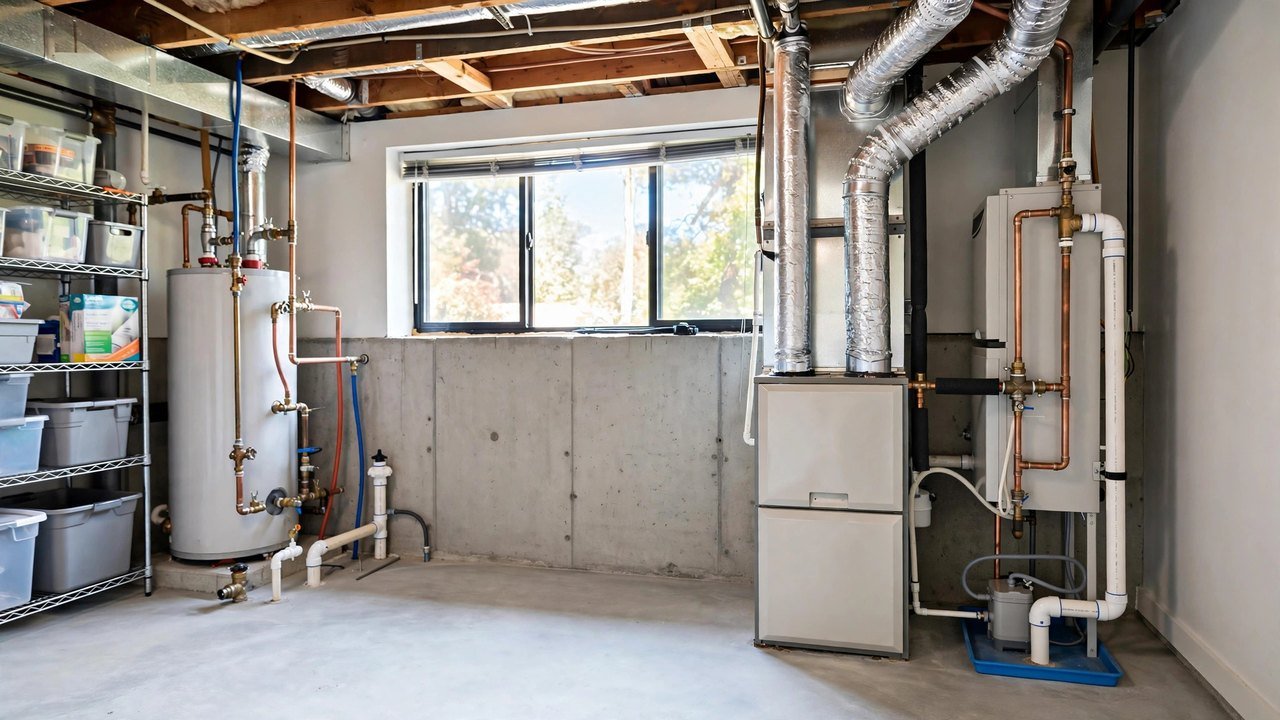
Here is the quick summary for a full system swap. Most prices below include the new equipment and standard labor to install it in place of the old system.
| System Type | Average HVAC System Replacement Cost | Typical Range |
|---|---|---|
| Central AC + gas furnace | $9,500 | $6,500 – $14,500 |
| Heat pump system | $9,000 | $5,500 – $15,000 |
| Central AC only | $6,000 | $4,000 – $9,500 |
| Furnace only | $5,000 | $3,500 – $8,500 |
| Ductless mini-split (multi-zone) | $10,500 | $6,000 – $18,000 |
| Packaged system | $8,500 | $6,000 – $13,000 |
Home size matters a lot. A small home or condo may need a 2-ton system. A large two-story home may need a 4 or 5-ton system. Each step up in size adds equipment cost and sometimes duct work.
Efficiency matters too. A basic efficiency unit costs less upfront. A high-efficiency unit costs more but can cut monthly bills, especially in very hot or very cold areas.
What Affects the HVAC System Replacement Cost?

Many factors move your price above or below the average. Understanding them helps you read a quote line by line.
System size is measured in tons for cooling and BTU for heating. An oversized system costs more and can cause humidity problems. An undersized system will run all day and still feel weak. A proper load calculation should size your system correctly.
Efficiency ratings affect both price and bills. For cooling, higher SEER2 ratings cost more. For furnaces, higher AFUE ratings cost more. The jump from basic to high efficiency can add $1,500 to $4,000 to the job.
Ductwork condition is a hidden cost driver. If your ducts leak, are too small, or are damaged, fixing them adds $1,000 to $4,000 or more. Some older homes need major duct changes for a new system to work well.
Home layout and access matter. A system in a tight attic or crawl space takes more labor. Long refrigerant lines, new electrical work, and code upgrades also add cost.
Brand and local labor rates play a role too. Cities with high labor costs sit at the top of the range.
HVAC System Replacement Cost Breakdown by Component

A full quote is more than one box. Here is how the money usually splits for a central AC and furnace job.
The outdoor unit and indoor furnace or air handler are the largest cost. Together, equipment is often 50 to 60 percent of the total. Expect about $3,500 to $8,500 for equipment on a typical mid-range system, and more for high-efficiency models.
Labor is the next big piece, often $2,000 to $4,500 for a standard replacement. That covers removing the old system, setting the new one, connecting lines and wiring, charging, and testing. Complex jobs take longer and cost more.
Additional parts add up. A new thermostat may cost $150 to $500 installed. A condensate pump, line set, pad, and disconnect can add $300 to $900. Permit fees often run $250 to $800 depending on your city.
Duct changes, if needed, are separate. Simple sealing and minor repairs may cost $500 to $1,500. Replacing a full duct run can cost $3,000 to $6,000 or more. Ask for duct work as a clear separate line so you can judge it.
HVAC System Replacement Cost vs. Repair Cost
It helps to compare replacement with one more repair. A common repair, like a capacitor or blower motor, may cost $250 to $900. A major repair, like a compressor or heat exchanger, can cost $1,500 to $3,500 or more.
If your system is under 10 years old and the repair is modest, fixing it usually makes sense. You keep a system with many years left and avoid a large bill today.
If your system is 12 to 15 years old or older, needs a major repair, and uses old refrigerant, replacement often wins. New systems are more efficient, come with fresh warranties, and end the cycle of repeat service calls.
Many pros use an age rule. Multiply the system age by the repair cost. If that number is over $5,000, replacement is worth a close look. For example, a 14-year-old system with a $600 repair gives 8,400, which points toward replacing soon.
How to Save Money on HVAC System Replacement Cost
You can lower the total without buying the cheapest system on the market. Focus on timing, sizing, and rebates.
- Get 3 quotes with the same size and efficiency level so you compare fairly.
- Replace in spring or fall when demand is lower and schedules are open.
- Choose mid-range efficiency if you live in a mild climate and payback is slow.
- Ask about utility rebates, manufacturer rebates, and federal tax credits for efficient systems.
- Keep good ducts; seal and insulate them instead of replacing them if a pro says they are sound.
- Install a simple, reliable thermostat instead of the most advanced model if you do not need extras.
- Ask if keeping your current line set and pad is safe and code compliant.
Avoid cutting cost by skipping a load calculation or permit. A wrong-size system wastes energy for years, and an unpermitted job can cause trouble when you sell.
Financing Options for HVAC Replacement
Most homeowners finance at least part of a full replacement. Home equity loans often have the lowest rates for a large job. Personal loans are faster and do not use your home as collateral. Many HVAC companies offer financing, sometimes with 0 percent interest for 12 to 24 months for qualified buyers.
Read promo terms closely. If you do not pay the balance in the promo window, interest may apply to the full amount. Credit cards with a 0 percent intro offer can work for part of the cost, but avoid a large balance at a standard high rate.
Questions to Ask Before You Hire an HVAC Company
Good questions reveal whether a quote is complete and whether the company will stand behind the work.
Will you do a load calculation to size my system? The answer should be yes. A guess based only on the old system size can repeat an old mistake.
What exact model, size, and efficiency am I getting? Get brand, model numbers, SEER2, and AFUE in the contract. Confirm the matched indoor and outdoor units are listed as a pair.
What is included and what is extra? Ask about permits, disposal, thermostat, line set, and duct changes. Get extras priced before work starts, not after.
What warranties do I get on parts and labor? Many systems include a 10-year parts warranty if registered on time. Labor warranties vary from 1 to 10 years. Ask who handles warranty claims.
Frequently Asked Questions
How much is the average HVAC system replacement cost in 2026?
Most homeowners pay $5,000 to $15,000 for a full replacement. A typical central AC and furnace combo averages around $9,500. Heat pumps and high-efficiency systems often sit near the top of the range.
How long does an HVAC system last?
Most central AC units and heat pumps last 12 to 17 years. Gas furnaces often last 15 to 20 years. Regular filter changes and yearly service help a system reach the high end of its life.
Should I replace my furnace and AC at the same time?
Often, yes, if both are old. Matched systems work better together and share labor cost. If one unit is much newer, replacing only the older one can make sense after a pro checks compatibility.
What size HVAC system do I need?
Size depends on home size, insulation, windows, and climate, not just square feet. A 1,500 sq. ft. home often needs a 2.5 to 3-ton cooling system. Only a load calculation gives the right answer for your home.
Are high-efficiency systems worth the extra cost?
They can be in hot or cold climates where the system runs many hours a year. In mild climates, mid-range efficiency often gives the best payback. Compare added cost to expected bill savings over 10 years.
How long does a full HVAC replacement take?
A standard swap usually takes 1 to 2 days. Jobs with duct replacement, electrical upgrades, or tight access can take 3 days or more. Your installer should give a clear timeline before starting.
Can I get rebates or tax credits for a new HVAC system?
Many homeowners qualify for utility rebates and federal credits for high-efficiency heat pumps and systems. Amounts and rules change, so check current programs and keep all model paperwork. Your installer can help confirm eligibility.
Conclusion
The HVAC system replacement cost in 2026 is driven by system type, size, efficiency, and duct condition. Most families will land between $5,000 and $15,000, with a matched AC and furnace system near the middle of that range. Knowing the breakdown helps you spot a fair quote and avoid surprise add-ons.
Before you sign, compare the full HVAC system replacement cost from several licensed companies. Insist on a load calculation, clear model numbers, and warranties in writing. The cheapest quote is rarely the best value if it skips sizing, permits, or duct checks.
Plan ahead if your system is aging, so you can choose on your terms instead of during a breakdown. With the right size, fair price, and solid install, your new system should deliver steady comfort and lower bills for many years.